Medical Articles

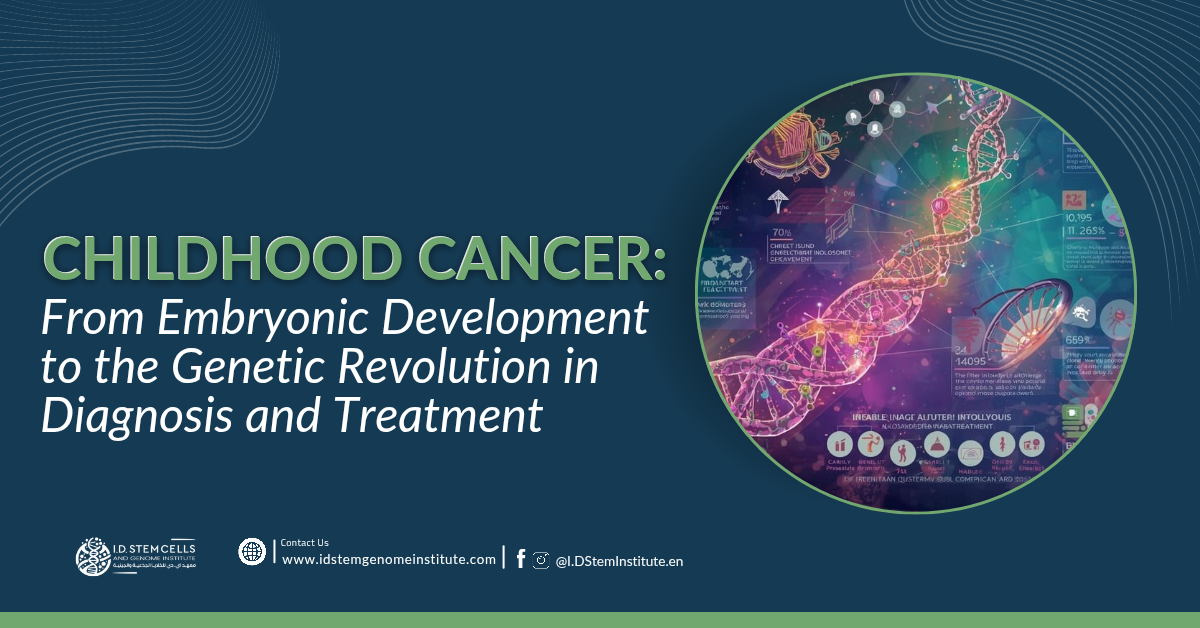
Childhood Cancer: From Embryonic Development to the Genetic Revolution in Diagnosis and Treatment

Childhood Cancer: From Embryonic Development to the Genetic Revolution in Diagnosis and Treatment

Childhood cancer is defined as a group of malignant tumors affecting individuals from birth to 18 years of age. This type of cancer differs radically from adult cancers. While adult tumors are often linked to environmental factors and the accumulation of genetic mutations resulting from aging or lifestyle, childhood cancers typically originate from primitive embryonic cells undergoing rapid genetic transformations.

Research Center

Extracellular Vesicles as an Alternative Therapy

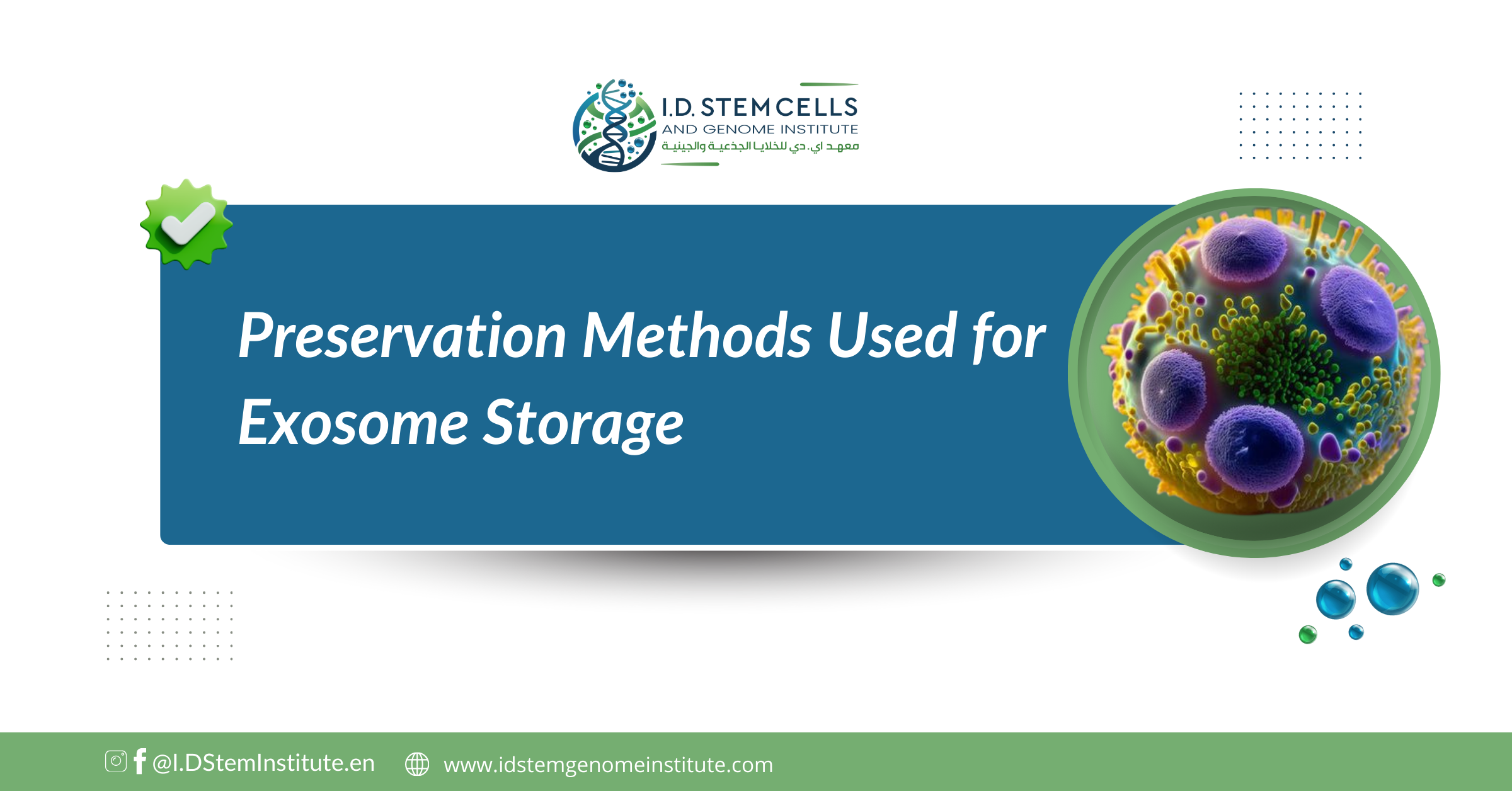
Extracellular Vesicles as an Alternative Therapy


Stem cells can secrete extracellular vesicles (EVs), which possess the same therapeutic and regenerative effects as their parent stem cells.

A General Introduction to the Role of Stem Cells in Infertility Treatment

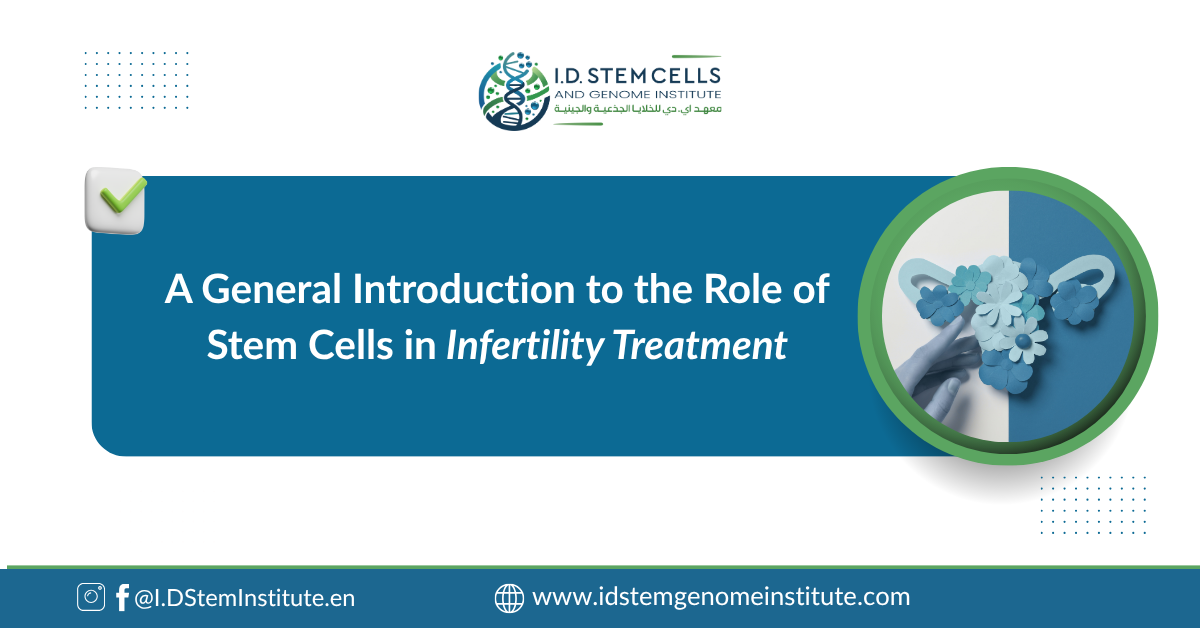
A General Introduction to the Role of Stem Cells in Infertility Treatment

Infertility is a globally recognized problem caused by various reproductive disorders. To date, various therapeutic approaches have been tried to restore fertility, including specific drug therapies, hormonal therapies, surgical removal, and assisted reproductive technologies.

Cervical Cancer and the Role of Stem Cells in its Treatment

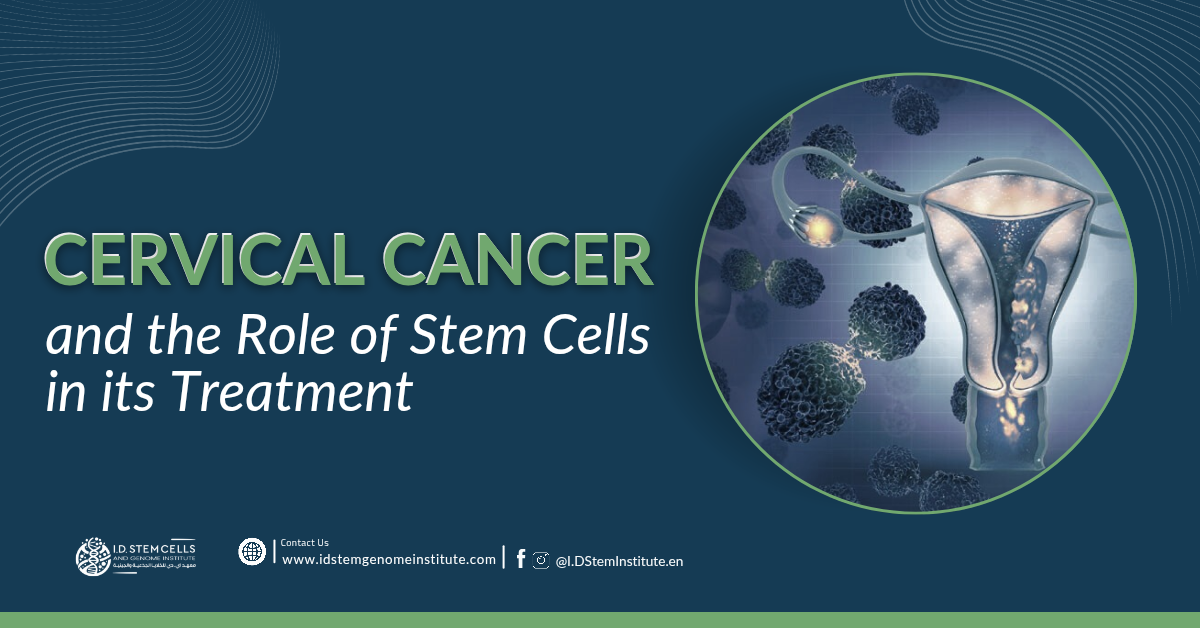
Cervical Cancer and the Role of Stem Cells in its Treatment

Cervical cancer is one of the most common cancers among women worldwide and a leading cause of cancer-related deaths in resource-limited countries. The primary factor in the development of this disease is persistent infection with the human papillomavirus (HPV), particularly high-risk types such as HPV-16 and HPV-18. This infection leads to genetic and immunological changes that result in tumor formation. However, treatment techniques are rapidly evolving, especially in the field of employing stem cells as an innovative therapeutic approach.

Chromosomal Aneuploidy in the Placenta: A Normal Trait or a Harmful Factor to Pregnancy Outcomes

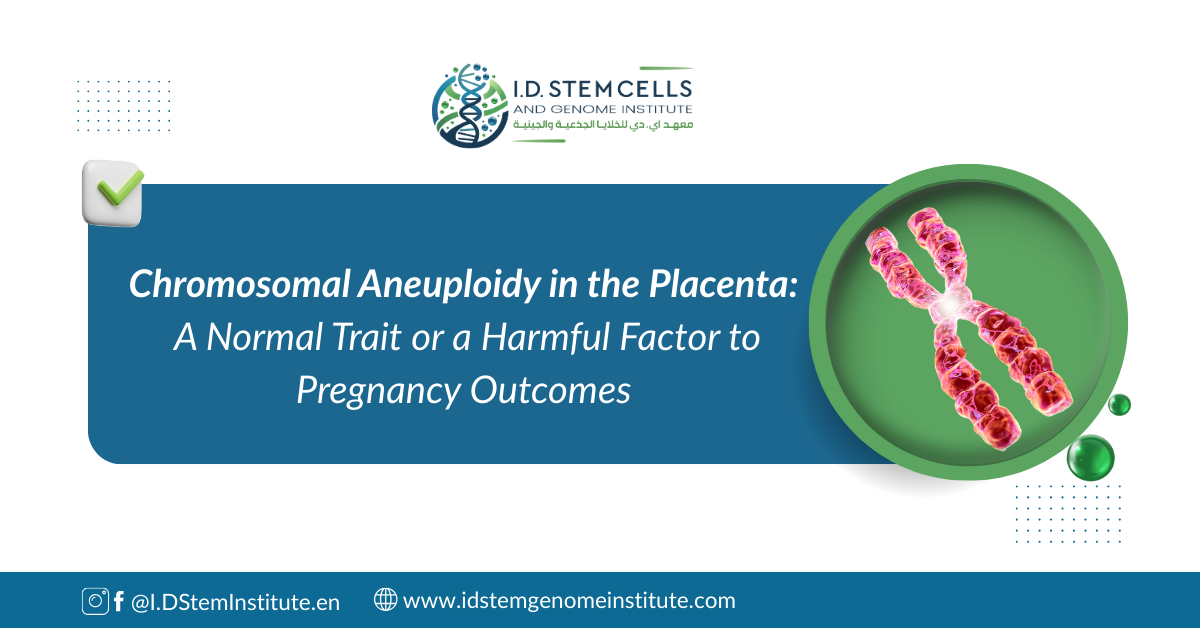
Chromosomal Aneuploidy in the Placenta: A Normal Trait or a Harmful Factor to Pregnancy Outcomes

Aneuploidy in the placenta is a pathological factor associated with adverse pregnancy outcomes and impaired placental function. According to studies, chromosomal abnormalities confined to placental tissue occur in approximately 1-2% of pregnancies, but they do not always affect fetal development. The placenta is a vital organ for fetal development and is composed primarily of trophoblasts derived from the outer layer of the embryo (trophectoderm). 

For immediate consultation with experts from the I.D. Institute for Stem Cell and Gene Research

For immediate consultation with experts from the I.D. Institute for Stem Cell and Gene Research

Image

you may also like

Image

you may also like

Image
Image
Image
Image

I.D. Journal of Stem Cell Research and Advanced Therapeutics

A medical journal published by the I.D. Institute for Stem Cell and Genome Research

Image
Image
Image
Image
Image
Image
Image
Image
I.D. Journal of Stem Cell Research and Advanced Therapeutics

A medical journal published by the I.D. Institute for Stem Cell and Genome Research

Image
Image
Image
Image
Image

I.D. Educational Community

Join the I.D. Community, an interactive environment bringing together experts, alumni, and students. This community aims to:

  • Exchange Clinical Expertise: Discuss challenging medical cases to enhance treatment outcomes.

  • Discuss Cutting-edge Research: Explore contemporary debates such as Digital Twins, Gerontology, and AI in medicine.

  • Build Professional Networks: Connect with leaders in regenerative medicine and global health organizations.

Image
Image
Image

I.D. Educational Community

Join the I.D. Community, an interactive environment bringing together experts, alumni, and students. This community aims to:

  • Exchange Clinical Expertise: Discuss challenging medical cases to enhance treatment outcomes.

  • Discuss Cutting-edge Research: Explore contemporary debates such as Digital Twins, Gerontology, and AI in medicine.

  • Build Professional Networks: Connect with leaders in regenerative medicine and global health organizations.

Image
Image
Image
Image

© 2025 I.D. Holding, By prof. Dr. Islam Dababseh

© 2025 I.D. Holding, By prof. Dr. Islam Dababseh

Image

© 2025 I.D. Holding, By prof. Dr. Islam Dababseh

© 2025 I.D. Holding, By prof. Dr. Islam Dababseh

Image