Chronic pain remains a major public health concern, affecting millions globally and leading to significant disability and diminished quality of life. Traditional treatments such as opioids, NSAIDs, and interventional procedures often provide limited or temporary relief and carry potential adverse effects. In recent years, stem cell therapy has emerged as a promising regenerative treatment for chronic pain conditions, including osteoarthritis, degenerative disc disease, neuropathic pain, and tendon injuries. Stem cells particularly mesenchymal stem cells (MSCs) derived from bone marrow, adipose tissue, or umbilical cord exert anti-inflammatory, immunomodulatory, and regenerative effects by secreting bioactive molecules, cytokines, and growth factors that facilitate tissue repair, modulate the immune response, and inhibit pain signaling pathways.
Several preclinical and clinical studies have demonstrated the safety and efficacy of stem cell therapy in reducing pain and improving function in patients with musculoskeletal disorders. For example, intra-articular MSC injections in knee osteoarthritis have shown significant improvements in pain scores and joint mobility. Similarly, intradiscal stem cell therapy has been associated with reduced low back pain and improved disc hydration. Furthermore, the use of autologous stem cells minimizes the risk of immune rejection and ethical concerns, enhancing patient acceptance.
Although the field is still evolving, and larger randomized controlled trials are needed, stem cell therapy represents a paradigm shift toward a biologically based, restorative approach in chronic pain management. It offers the potential for not only symptom relief but also long-term tissue regeneration, positioning it as a viable alternative or adjunct to conventional therapies.
Heart of the Subject: Stem Cell Therapy in Chronic Pain Management
Stem cell therapy represents a significant advancement in regenerative medicine, particularly in addressing chronic pain that has proven refractory to traditional medical and interventional treatments. Unlike pharmacological approaches that primarily mask symptoms, or surgical interventions that carry higher risk and recovery time, stem cell-based treatments aim to address the underlying pathophysiology of pain by promoting tissue regeneration and functional restoration.
Heart of the Subject: Stem Cell Therapy in Chronic Pain Management
Stem cell therapy represents a significant advancement in regenerative medicine, particularly in addressing chronic pain that has proven refractory to traditional medical and interventional treatments. Unlike pharmacological approaches that primarily mask symptoms, or surgical interventions that carry higher risk and recovery time, stem cell-based treatments aim to address the underlying pathophysiology of pain by promoting tissue regeneration and functional restoration.
Mechanism of Action: How Stem Cells Work in Pain Relief
Mesenchymal stem cells (MSCs), the most commonly utilized in chronic pain therapy, exert multiple therapeutic effects through paracrine signaling rather than direct differentiation alone. They secrete a broad range of bioactive molecules, including anti-inflammatory cytokines (e.g., IL-10), growth factors (e.g., TGF-β, VEGF), and extracellular vesicles (e.g., exosomes), which together:
Reduce inflammation by modulating immune cell responses and suppressing pro-inflammatory cytokines (e.g., TNF-α, IL-6)
Inhibit pain transmission via downregulation of pain-associated neuropeptides and signaling molecules
Enhance tissue repair and angiogenesis, accelerating healing of damaged cartilage, tendons, discs, and ligaments
Promote homeostasis in degenerative environments such as osteoarthritic joints or desiccated intervertebral discs
Mechanism of Action: How Stem Cells Work in Pain Relief
Mesenchymal stem cells (MSCs), the most commonly utilized in chronic pain therapy, exert multiple therapeutic effects through paracrine signaling rather than direct differentiation alone. They secrete a broad range of bioactive molecules, including anti-inflammatory cytokines (e.g., IL-10), growth factors (e.g., TGF-β, VEGF), and extracellular vesicles (e.g., exosomes), which together:
Reduce inflammation by modulating immune cell responses and suppressing pro-inflammatory cytokines (e.g., TNF-α, IL-6)
Inhibit pain transmission via downregulation of pain-associated neuropeptides and signaling molecules
Enhance tissue repair and angiogenesis, accelerating healing of damaged cartilage, tendons, discs, and ligaments
Promote homeostasis in degenerative environments such as osteoarthritic joints or desiccated intervertebral discs
Applications in Specific Pain Conditions
Osteoarthritis (OA): Intra-articular MSC injections help slow cartilage degradation, improve joint lubrication, and reduce synovial inflammation. Studies show significant improvements in WOMAC scores, functional mobility, and pain reduction.
Degenerative Disc Disease (DDD): Intradiscal injection of autologous bone marrow concentrate (BMC) has shown promise in enhancing disc hydration (seen on MRI), reducing pain severity, and improving spinal flexibility. This presents a non-surgical alternative to spinal fusion in select patients.
Tendon and Ligament Injuries: MSCs enhance the healing of chronic tendinopathies and partial tears through matrix remodeling and anti-fibrotic effects.
Neuropathic Pain Syndromes: Emerging data suggest that MSCs may also play a role in attenuating neuroinflammation and glial cell activation, two key contributors to chronic neuropathic pain.
Advantages of Stem Cell Therapy Over Traditional Modalities

Minimally invasive with low procedural risk
Autologous source reduces immunogenicity and eliminates ethical controversies
Long-lasting effects due to true regenerative action, not just symptom suppression
Reduced reliance on opioids and NSAIDs, decreasing the risk of tolerance, dependency, and gastrointestinal or renal side effects
Clinical Evidence and Outcomes
In a growing number of clinical trials and observational studies, patients receiving stem cell treatments report not only statistically significant pain relief, but also functional restoration and slowed progression of degenerative disease. Imaging improvements (e.g., disc hydration, cartilage thickness) further substantiate biological repair mechanisms at play.
Clinical Evidence and Outcomes
In a growing number of clinical trials and observational studies, patients receiving stem cell treatments report not only statistically significant pain relief, but also functional restoration and slowed progression of degenerative disease. Imaging improvements (e.g., disc hydration, cartilage thickness) further substantiate biological repair mechanisms at play.
While short- and mid-term outcomes are encouraging, long-term efficacy and standardized protocols (dosing, delivery methods, source of MSCs) still require clarification through larger, multicenter randomized controlled trials.
Conclusion: Toward a Regenerative Paradigm in Pain Medicine
Stem cell therapy introduces a transformative approach in pain medicine by moving from symptomatic control toward biologic repair and regeneration. As safety profiles continue to improve and clinical protocols become more refined, stem cell-based treatments are positioned not merely as an alternative, but as a cornerstone of future chronic pain management—particularly for patients who are not candidates for surgery or who seek sustainable, non-opioid solutions.
Conclusion: Toward a Regenerative Paradigm in Pain Medicine
Stem cell therapy introduces a transformative approach in pain medicine by moving from symptomatic control toward biologic repair and regeneration. As safety profiles continue to improve and clinical protocols become more refined, stem cell-based treatments are positioned not merely as an alternative, but as a cornerstone of future chronic pain management—particularly for patients who are not candidates for surgery or who seek sustainable, non-opioid solutions.
This research was conducted and compiled by Dr. Tarek Sultan in January 2025, Dubai, as part of ongoing efforts to integrate regenerative medicine into clinical pain management practice.
References:
- Centeno CJ, et al. “Intradiscal Percutaneous Treatment of Discogenic Low Back Pain with Autologous Bone Marrow Concentrate Injection.” Pain Physician. 2008.
- Gupta PK, et al. “Efficacy and Safety of Adult Human Bone Marrow–Derived, Cultured, Pooled, Allogeneic Mesenchymal Stromal Cells (Stempeucel®): Preclinical and Clinical Evidence.” Stem Cell Research & Therapy. 2012.
- Vangsness CT Jr, et al. “Adult Human Mesenchymal Stem Cells Delivered via Intra-articular Injection to the Knee Following Partial Meniscectomy: A Randomized, Double-Blind, Controlled Study.” J Bone Joint Surg Am. 2014.
- Pettine KA, et al. “Autologous Bone Marrow Concentrate Injection Therapy for Discogenic Low Back Pain with a Minimum Two-Year Follow-up.” Int Orthop. 2017.
- Khan WS, et al. “Mesenchymal Stem Cells in the Treatment of Musculoskeletal Pain and Disorders: A Review.” Current Stem Cell Research & Therapy. 2021.
- Rapid-acting pain relief in knee osteoarthritis: autologous-cultured adipose-derived mesenchymal stem cells outperform stromal vascular fraction: a systematic review and meta-analysis. Lee, H., Lim, Y., & Lee SH. Stem Cell Research & Therapy, 2024.
- Optimization strategies for mesenchymal stem cell-based analgesia therapy: a promising therapy for pain management. Stem Cell Research & Therapy, 2024.
References:
- Centeno CJ, et al. “Intradiscal Percutaneous Treatment of Discogenic Low Back Pain with Autologous Bone Marrow Concentrate Injection.” Pain Physician. 2008.
- Gupta PK, et al. “Efficacy and Safety of Adult Human Bone Marrow–Derived, Cultured, Pooled, Allogeneic Mesenchymal Stromal Cells (Stempeucel®): Preclinical and Clinical Evidence.” Stem Cell Research & Therapy. 2012.
- Vangsness CT Jr, et al. “Adult Human Mesenchymal Stem Cells Delivered via Intra-articular Injection to the Knee Following Partial Meniscectomy: A Randomized, Double-Blind, Controlled Study.” J Bone Joint Surg Am. 2014.
- Pettine KA, et al. “Autologous Bone Marrow Concentrate Injection Therapy for Discogenic Low Back Pain with a Minimum Two-Year Follow-up.” Int Orthop. 2017.
- Khan WS, et al. “Mesenchymal Stem Cells in the Treatment of Musculoskeletal Pain and Disorders: A Review.” Current Stem Cell Research & Therapy. 2021.
- Rapid-acting pain relief in knee osteoarthritis: autologous-cultured adipose-derived mesenchymal stem cells outperform stromal vascular fraction: a systematic review and meta-analysis. Lee, H., Lim, Y., & Lee SH. Stem Cell Research & Therapy, 2024.
- Optimization strategies for mesenchymal stem cell-based analgesia therapy: a promising therapy for pain management. Stem Cell Research & Therapy, 2024.
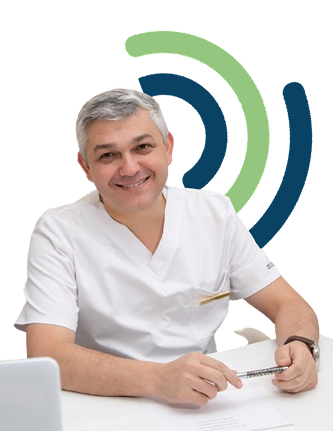
About Dr Tarek Sultan:
M.Sc. MD PhD with 34 years of Experience as Consultant Anesthetist and Pain Management and Regenerative Medicine in United Nations Hospitals, Veteran Association (VA) Hospital Gainesville Florida University FL USA and Egyptian Military Hospitals.
Since 2014 I am working as Consultant Anesthetist, Pain Manegement and Regenerative Medicine specialist in Dubai with DHA, DHCC and MOH License.
Currently my Pain Management clinic and Stem Cells Therapy are in :
Emirates Specialty Hospital DHCC
American Spine Center DHCC
Westminster Ortho Clinic DHCC
Clemenceau Medical center Hospital
Holding the American Board of Regenerative Medicine ABRM
April 2024

Logbook for more than 400 cases in last 2 years of Pain Management Intervention cases with Cervical , lumber , sacroiliac and Facet join injections with PRP and Stem Cells therapy.
Offer anti-aging treatments using the latest medical techniques involving stem cell therapy, derived from fat tissue , bone marrow, or stem cell banks.
Offer Non surgical treatment for Cervical disc pain , Lumber disc pain, Sciatica and low back pain.
Experience in stem cell treatment, activating autologous own stem cells and replacing the damaged cells as regenerative medicine.
Pain Management Experience in applying nerve blocks during the acute phase of the herpes zoster shortens the duration of zoster-related pain, and somatic blocks (including paravertebral and repeated/continuous epidural blocks).
Pain Management Experience in nerve blocks, spinal cord stimulation, and facet joint injections and treatment of post- laminectomy syndrome.
Certified from Harvard Medical School Longwood Medical Area of Boston, Massachusetts USA, as an expert in Mechanical Ventilation for COVID -19
Designated as a Visiting Research Professor of Anesthesiologist In Collage of Medicine, University of Florida, Florida, USA.
Member in the UN (United Nations) as Consultant Anesthetist in Bosnia and Herzegovina, Lebenon, Iraq, Afghanistan, South of Sudan, Kenya and Ghana.
Experience to oversight of all steps related to the medical service rendered either in clinics, inpatient or operating room.
Experience in teaching doctors and physicians for update Advanced Stem Cells therapy knowledge.
About Dr Tarek Sultan:
M.Sc. MD PhD with 34 years of Experience as Consultant Anesthetist and Pain Management and Regenerative Medicine in United Nations Hospitals, Veteran Association (VA) Hospital Gainesville Florida University FL USA and Egyptian Military Hospitals.
Since 2014 I am working as Consultant Anesthetist, Pain Manegement and Regenerative Medicine specialist in Dubai with DHA, DHCC and MOH License.
Currently my Pain Management clinic and Stem Cells Therapy are in :
Emirates Specialty Hospital DHCC
American Spine Center DHCC
Westminster Ortho Clinic DHCC
Clemenceau Medical center Hospital
Holding the American Board of Regenerative Medicine ABRM
April 2024
Logbook for more than 400 cases in last 2 years of Pain Management Intervention cases with Cervical , lumber , sacroiliac and Facet join injections with PRP and Stem Cells therapy.
Offer anti-aging treatments using the latest medical techniques involving stem cell therapy, derived from fat tissue , bone marrow, or stem cell banks.
Offer Non surgical treatment for Cervical disc pain , Lumber disc pain, Sciatica and low back pain.
Experience in stem cell treatment, activating autologous own stem cells and replacing the damaged cells as regenerative medicine.
Pain Management Experience in applying nerve blocks during the acute phase of the herpes zoster shortens the duration of zoster-related pain, and somatic blocks (including paravertebral and repeated/continuous epidural blocks).
Pain Management Experience in nerve blocks, spinal cord stimulation, and facet joint injections and treatment of post- laminectomy syndrome.
Certified from Harvard Medical School Longwood Medical Area of Boston, Massachusetts USA, as an expert in Mechanical Ventilation for COVID -19
Designated as a Visiting Research Professor of Anesthesiologist In Collage of Medicine, University of Florida, Florida, USA.
Member in the UN (United Nations) as Consultant Anesthetist in Bosnia and Herzegovina, Lebenon, Iraq, Afghanistan, South of Sudan, Kenya and Ghana.
Experience to oversight of all steps related to the medical service rendered either in clinics, inpatient or operating room.
Experience in teaching doctors and physicians for update Advanced Stem Cells therapy knowledge.
This article was written based on Dr. Tarek Sultan's personal knowledge and experience. All opinions and conclusions expressed are those of the author alone and do not necessarily reflect the views of the I.D. Stem Cells and Genome Institute.