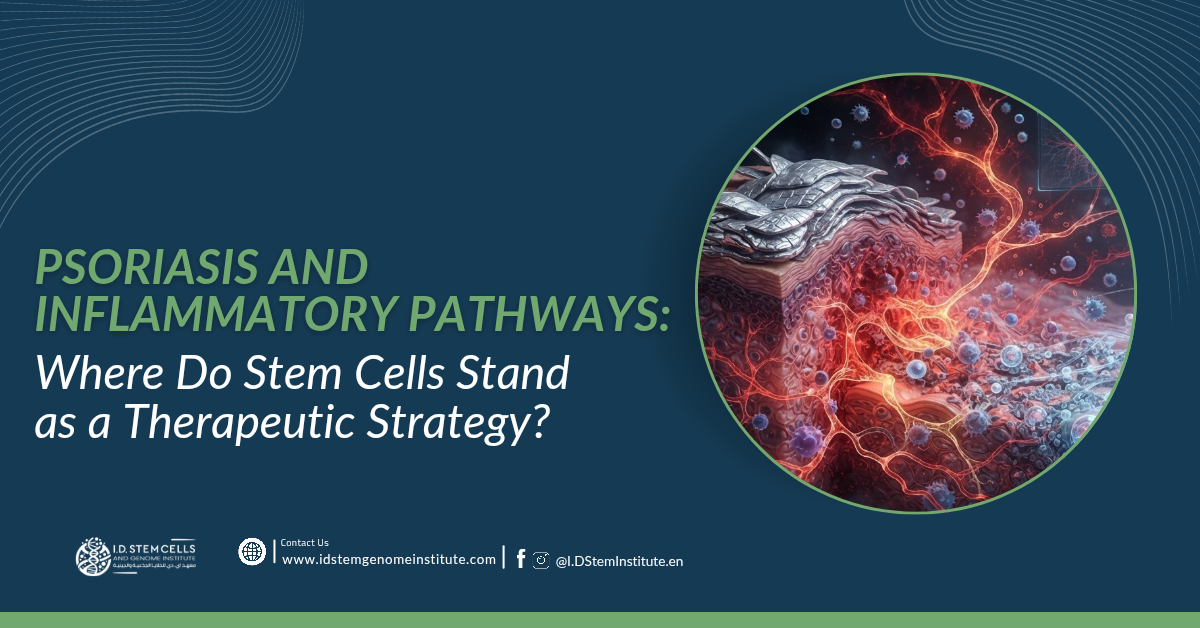
Psoriasis is characterized by the abnormally rapid proliferation of skin cells, leading to the appearance of red, scaly patches on the skin. These patches may be accompanied by itching, pain, and a significant impact on patients' quality of life. While numerous treatments for psoriasis are available, including topical, phototherapy, systemic, and biological therapies, which have effectively improved disease control in many cases, psoriasis remains prone to relapse and the recurrence of symptoms in many patients.
This relapse reflects a deeper disorder in the pathogenesis of psoriasis that has not been addressed by previous treatments. It stems from an imbalance of the immune system in the skin environment and a disruption in communication between immune cells and keratinocytes, the cells that make up the outer layer of the skin. Furthermore, psoriasis may also be associated with systemic complications such as psoriatic arthritis, reinforcing its importance as a systemic inflammatory autoimmune disease, not merely a skin condition. This has led to the need for more sustainable psoriasis treatment strategies that address the underlying immune dysfunction. Stem cell therapies have emerged as a simultaneous regenerative and immunomodulatory approach.
Why stem cells in psoriasis treatment?
Mesenchymal stem cells derived from bone marrow, adipose tissue, or umbilical cord blood possess promising immunomodulatory and regenerative properties in autoimmune inflammatory diseases like psoriasis. These properties include the ability to regulate the immune
Why stem cells in psoriasis treatment?
Mesenchymal stem cells derived from bone marrow, adipose tissue, or umbilical cord blood possess promising immunomodulatory and regenerative properties in autoimmune inflammatory diseases like psoriasis. These properties include the ability to regulate the immune response and restore immune balance, reduce the release of inflammatory cytokines, and support the repair and regeneration of damaged tissue. This can lead to a reduction in skin and surrounding environment inflammation, as well as a role in repairing damaged skin. Recent research suggests that mesenchymal stem cell injections may alleviate the severity of psoriasis by suppressing the uncontrolled inflammatory response that causes accelerated skin cell growth and the characteristic scaling of psoriasis. Mesenchymal stem cells also work to restore the balance between pro-inflammatory and anti-inflammatory immune cells. Recent research has shown promising signs of efficacy for mesenchymal stem cell transplantation in preclinical psoriasis models, with a significant reduction in psoriasis severity index and epidermal thickness in animal models.

response and restore immune balance, reduce the release of inflammatory cytokines, and support the repair and regeneration of damaged tissue. This can lead to a reduction in skin and surrounding environment inflammation, as well as a role in repairing damaged skin. Recent research suggests that mesenchymal stem cell injections may alleviate the severity of psoriasis by suppressing the uncontrolled inflammatory response that causes accelerated skin cell growth and the characteristic scaling of psoriasis. Mesenchymal stem cells also work to restore the balance between pro-inflammatory and anti-inflammatory immune cells. Recent research has shown promising signs of efficacy for mesenchymal stem cell transplantation in preclinical psoriasis models, with a significant reduction in psoriasis severity index and epidermal thickness in animal models.
In early clinical trials, results demonstrated an improvement in the percentage of affected skin area and a 50% reduction in the psoriasis severity index (PASI-50). This improvement persisted for a full year after treatment cessation, which undoubtedly translates to a better quality of life for patients. A recent study reported the case of a 19-year-old patient with severe plaque psoriasis for five years, experiencing multiple failed topical and systemic treatments and relapses. However, after five injections of allogeneic GMSCs, the patient's symptoms improved, and the psoriasis resolved completely without adverse reactions. No relapses occurred during the three-year follow-up period. It can be concluded that stem cells derived from multiple sources and administered via different routes may improve the symptoms of psoriasis. Further human clinical trials are still needed to confirm safety and efficacy.
At the I.D. Stem Cells and Genome Institute, we keep abreast of the latest scientific developments in the field of stem cell and gene therapy and regenerative medicine. If you are interested in learning more about the potential benefits of these treatments and the latest research findings, please feel free to contact us.