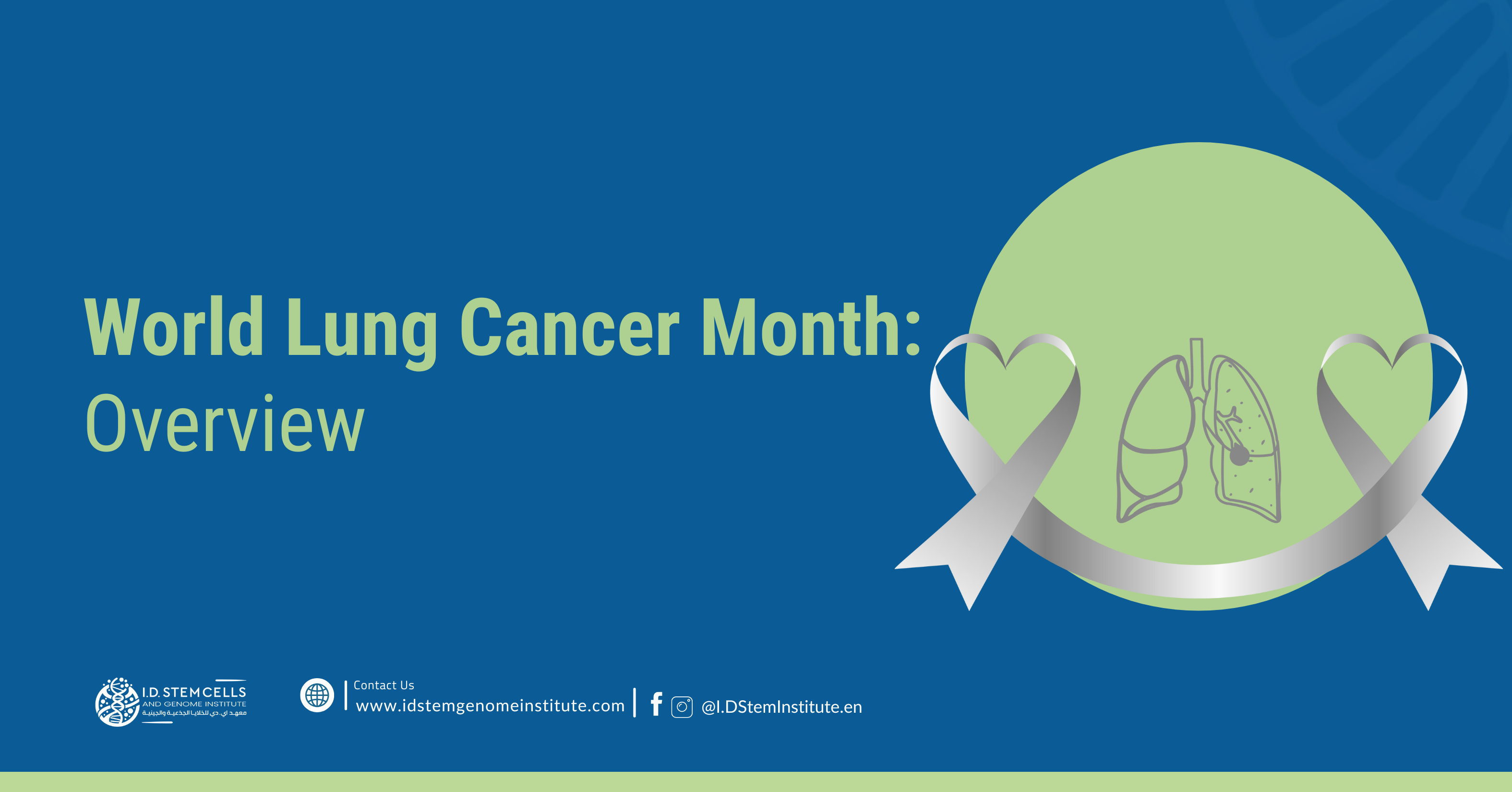
Lung cancer is one of the most common and deadly cancers worldwide and is ranked as the leading cause of cancer-related deaths. In 2020, 2.21 million new cases and 1.80 million deaths were recorded from lung cancer, underscoring the significant health burden this disease poses globally.
Lung cancer is primarily divided into two main types based on histology: non-small cell lung cancer (NSCLC) and small cell lung cancer (SCLC). NSCLC accounts for approximately 85% of all cases, and this subtype includes tumors such as adenocarcinoma, squamous cell carcinoma, and large cell carcinoma. Small cell lung cancer accounts for approximately 15% of cases and is characterized by its aggressiveness and rapid spread.
Risk Factors
Exposure to carcinogens, such as smoking, is a major risk factor for lung cancer. Studies have shown that active and passive smoking, exposure to occupational chemicals, and indoor and outdoor air pollution are all causally linked to lung cancer.
Risk Factors
Exposure to carcinogens, such as smoking, is a major risk factor for lung cancer. Studies have shown that active and passive smoking, exposure to occupational chemicals, and indoor and outdoor air pollution are all causally linked to lung cancer.
However, a significant number of non-smokers also develop the disease, suggesting genetic and hereditary mechanisms in the development of lung cancer.
Symptoms and Diagnosis
Lung cancer is often diagnosed at late stages because early-stage symptoms are often nonspecific or absent altogether. This delay in diagnosis leads to lower survival rates.
Common symptoms of lung cancer at diagnosis include pain (86% of cases), shortness of breath (70% of cases), and loss of appetite (68% of cases). Other symptoms that influence the time to diagnosis and stage of the disease may include factors related to the patient themselves.
Symptoms and Diagnosis
Lung cancer is often diagnosed at late stages because early-stage symptoms are often nonspecific or absent altogether. This delay in diagnosis leads to lower survival rates.
Common symptoms of lung cancer at diagnosis include pain (86% of cases), shortness of breath (70% of cases), and loss of appetite (68% of cases). Other symptoms that influence the time to diagnosis and stage of the disease may include factors related to the patient themselves.
Treatment
Lung cancer treatment depends on its type and stage and typically includes a combination of multiple approaches. Surgery, radiotherapy,
Treatment
Lung cancer treatment depends on its type and stage and typically includes a combination of multiple approaches. Surgery, radiotherapy,

and chemotherapy are the main treatment modalities. Targeted therapies and immunotherapies have advanced significantly, particularly for advanced non-small cell lung cancer (NSCLC), leading to significant improvements in outcomes over the past two decades. For example, oral vinorelbine is an effective and safe treatment for advanced NSCLC, especially under special circumstances such as the COVID-19 pandemic.
In some cases, histological transformation from NSCLC to NSCLC can occur, and this is associated with resistance to targeted therapies, immunotherapies, and chemotherapy.
Modern Technologies in Diagnosis and Treatment
Research in lung cancer has seen significant progress, particularly in the development of more effective diagnostic and therapeutic methods.
Nanotechnologies: Nanomaterials play a promising role in the diagnosis and treatment of lung cancer, as they can overcome the challenges posed by traditional methods by providing reliable diagnosis and targeted therapies. Nanoparticles can be used to deliver therapeutic agents directly to cancer cells, increasing their effectiveness.
Artificial Intelligence and Deep Learning: Artificial intelligence (AI) and deep learning techniques, particularly deep convolutional neural networks (DCNNs), are significantly improving the accuracy and speed of lung cancer diagnosis and classification. These systems can analyze massive amounts of medical data, including X-ray images, CT scans, and MRIs, to identify tumors in their early stages. For example, vision transformer networks can be used to improve the diagnosis and prognosis of lung cancer.
New Biomarkers: New biomarkers, such as circulating RNAs (circular RNAs) and microRNAs (microRNAs), are being sought to improve diagnosis and prognosis. These non-coding molecules are critical regulators of cancer by genetically controlling gene expression and regulating tumor suppressor genes.
At the I.D. Stem Cells and Genome Institute, we keep up with the latest developments in stem cell and gene therapy and regenerative medicine. If you are interested in learning more about the potential benefits of these treatments and the latest research findings, please feel free to contact us.
Modern Technologies in Diagnosis and Treatment
Research in lung cancer has seen significant progress, particularly in the development of more effective diagnostic and therapeutic methods.
Nanotechnologies: Nanomaterials play a promising role in the diagnosis and treatment of lung cancer, as they can overcome the challenges posed by traditional methods by providing reliable diagnosis and targeted therapies. Nanoparticles can be used to deliver therapeutic agents directly to cancer cells, increasing their effectiveness.
Artificial Intelligence and Deep Learning: Artificial intelligence (AI) and deep learning techniques, particularly deep convolutional neural networks (DCNNs), are significantly improving the accuracy and speed of lung cancer diagnosis and classification. These systems can analyze massive amounts of medical data, including X-ray images, CT scans, and MRIs, to identify tumors in their early stages. For example, vision transformer networks can be used to improve the diagnosis and prognosis of lung cancer.
New Biomarkers: New biomarkers, such as circulating RNAs (circular RNAs) and microRNAs (microRNAs), are being sought to improve diagnosis and prognosis. These non-coding molecules are critical regulators of cancer by genetically controlling gene expression and regulating tumor suppressor genes.
At the I.D. Stem Cells and Genome Institute, we keep up with the latest developments in stem cell and gene therapy and regenerative medicine. If you are interested in learning more about the potential benefits of these treatments and the latest research findings, please feel free to contact us.