.png)
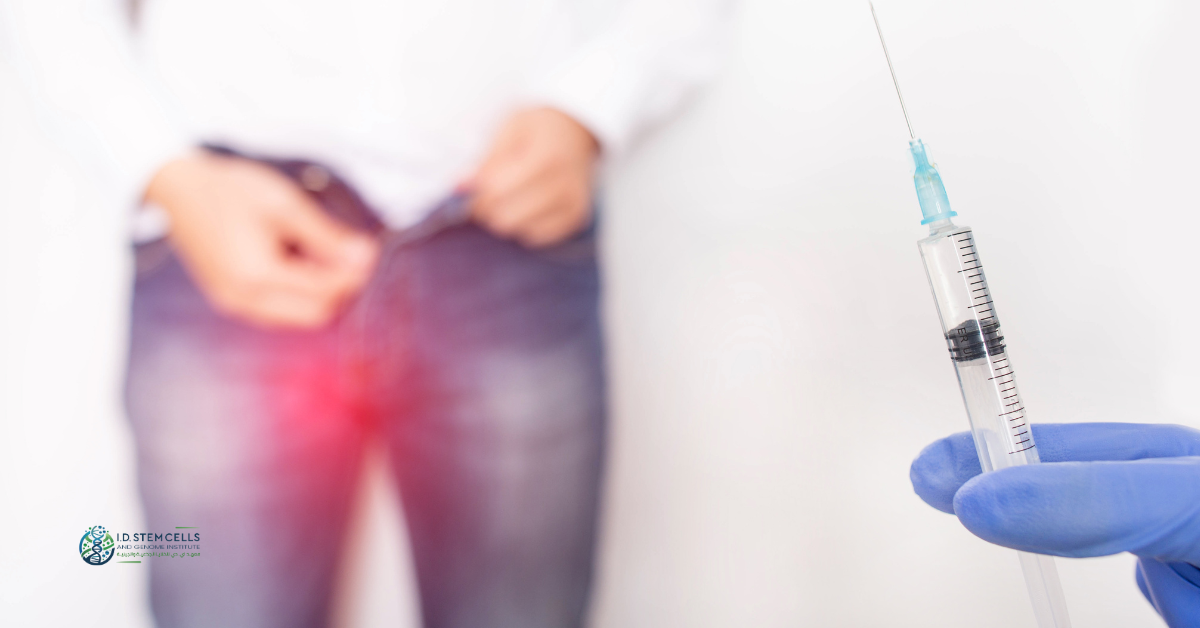
Varicocele is an acquired cause of primary hypogonadism characterized by an abnormal collection of veins in the testicular plexus, resembling a bag of worms.
It is the most common cause of male infertility, affecting approximately 15% of the population. Varicocele is caused by impaired venous drainage, which interferes with the countercurrent exchange mechanism of the testes and leads to elevated scrotal temperature and abnormal sperm production.
It may also lead to impaired drainage of reproductive toxins from the testes and testicular hypoxia. The pathophysiology of varicocele is not well defined; however, OS is the primary factor responsible for abnormal sperm parameters.
Patients with varicocele may be asymptomatic or may experience dull, throbbing pain in the scrotum. Furthermore, elevated temperatures may cause testicular atrophy due to loss of germ cell mass. Varicocelectomy is the initial treatment. However, antioxidants may help control peripheral neuropathy.
In mice, berberine was effective in treating varicocele. Berberine improved the self-renewal activities of SSCs and improved communication between Leydig-Sertoli cells by upregulating BCL-6b, Etv5, and GDNF in SSCs. SSCs, including SSCs and MSCs, can inhibit apoptosis and necrosis; however, the exact pathway of antioxidants is unclear.