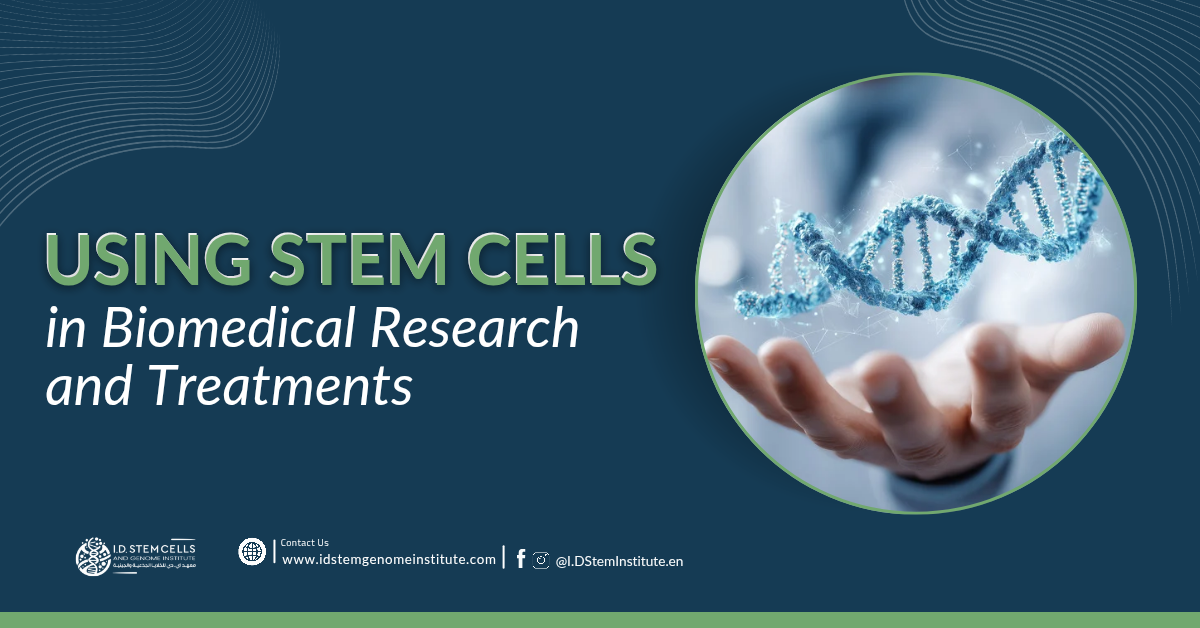
Because of their unique regenerative abilities, there are many ways in which human stem cells are used in biomedical research and therapeutic development.
Understanding Disease Biology and Drug Testing
Scientists can use stem cells to learn about human biology and develop treatments. A better understanding of the genetic and molecular signals that regulate cell division, specialization, and differentiation in stem cells can lead to insights into how diseases arise and suggest new treatment strategies. Scientists can use patient-derived and differentiated induced pluripotent stem cells to create organoids (miniature models of organs) or tissue chips to study diseased cells and test drugs, with personalized results.
Understanding Disease Biology and Drug Testing
Scientists can use stem cells to learn about human biology and develop treatments. A better understanding of the genetic and molecular signals that regulate cell division, specialization, and differentiation in stem cells can lead to insights into how diseases arise and suggest new treatment strategies. Scientists can use patient-derived and differentiated induced pluripotent stem cells to create organoids (miniature models of organs) or tissue chips to study diseased cells and test drugs, with personalized results.
Cell-Based Therapies
One important potential application is the generation of cells and tissues for cell-based therapies, also called tissue engineering. The current need for transplantable tissues and organs far exceeds the available supply. Stem cells
Cell-Based Therapies
One important potential application is the generation of cells and tissues for cell-based therapies, also called tissue engineering. The current need for transplantable tissues and organs far exceeds the available supply. Stem cells offer the potential for a renewable source. Adult stem cells typically exist in a very small number in each tissue, and once removed from the body, their ability to divide is limited, making it difficult to generate large quantities of adult stem cells for therapeutic purposes. In contrast, pluripotent stem cells are less restricted by their starting material and regenerative potential.
To realize the promise of stem cell therapies for disease, scientists must be able to manipulate stem cells so that they possess the properties necessary for successful differentiation, transplantation, and engraftment. Scientists must also develop procedures to manage stem cell populations, along with stimulating angiogenesis (the supply of blood vessels), for the regeneration and repair of three-dimensional solid tissue.
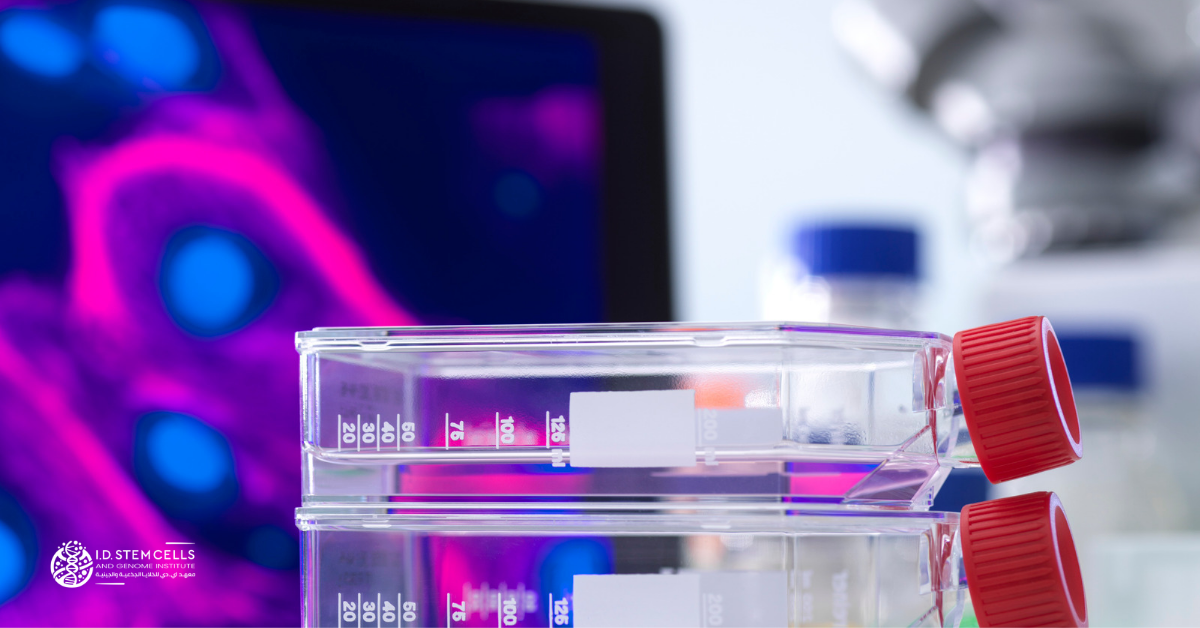
offer the potential for a renewable source. Adult stem cells typically exist in a very small number in each tissue, and once removed from the body, their ability to divide is limited, making it difficult to generate large quantities of adult stem cells for therapeutic purposes. In contrast, pluripotent stem cells are less restricted by their starting material and regenerative potential. To realize the promise of stem cell therapies for disease, scientists must be able to manipulate stem cells so that they possess the properties necessary for successful differentiation, transplantation, and engraftment. Scientists must also develop procedures to manage stem cell populations, along with stimulating angiogenesis (the supply of blood vessels), for the regeneration and repair of three-dimensional solid tissue.
To be useful for transplantation, stem cells must be produced repeatedly in order to:
Proliferate extensively and generate sufficient quantities of cells to replace lost or damaged tissue.
Differentiate into the desired cell type(s).
Survive in the recipient after transplantation.
Integrate into surrounding tissue after transplantation.
Avoid rejection by the recipient's immune system.
Function appropriately throughout the recipient's lifetime.