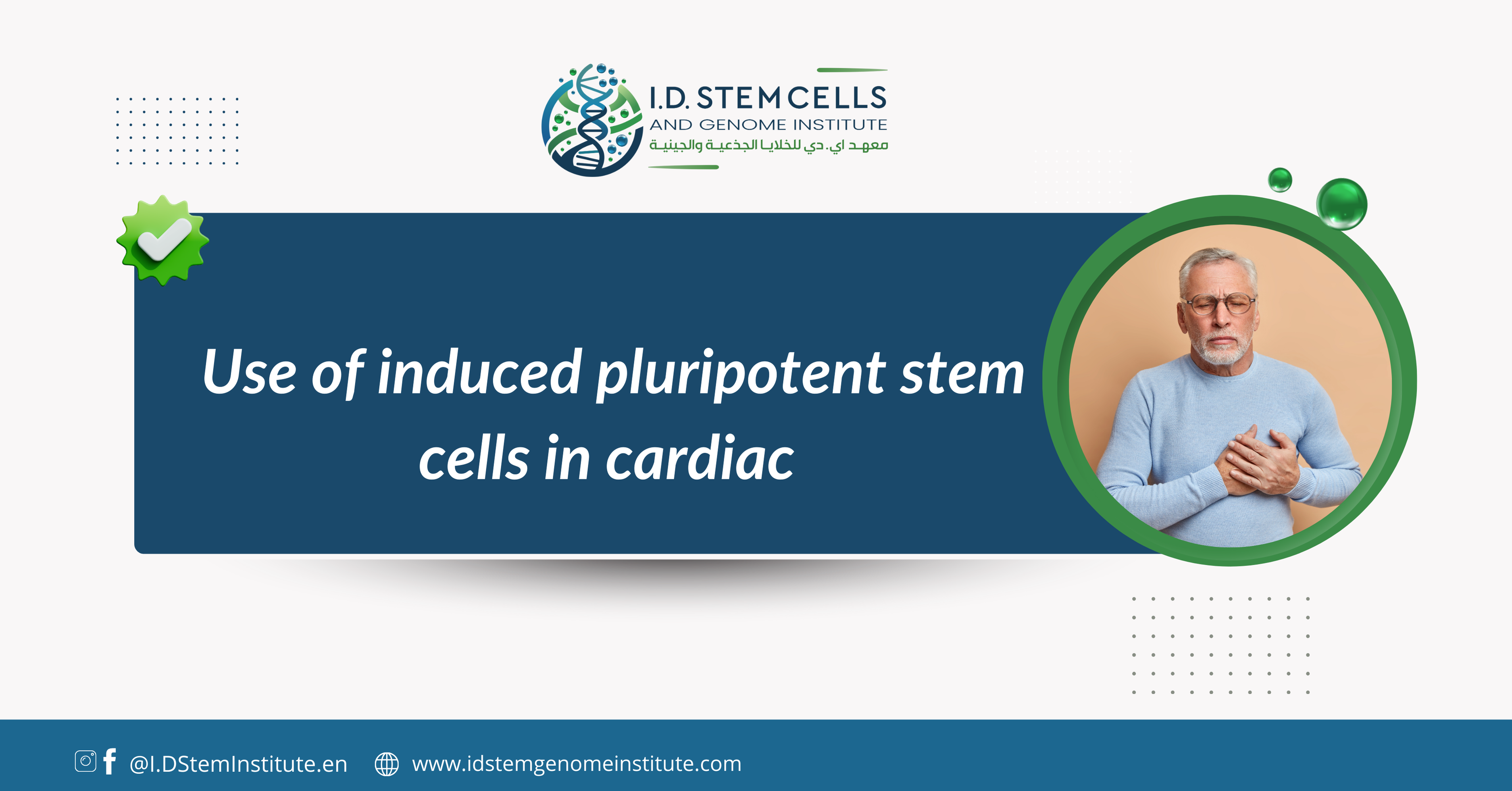
Reprogramming of mouse and human somatic cells into highly proliferative iPSCs was first achieved by nuclear transfer of combinations of transcription factors, including Oct3/4, SOX2, c-Myc, and Klf4 or Oct4, SOX2, NANOG, and LIN28 into dermal fibroblasts. iPSCs possess ESC properties, with similar cardiac potential, while circumventing ethical objections against embryonic harvesting and bypassing the problem of immune rejection. Various techniques have now been developed to generate iPSC–CMs.
While both undifferentiated iPSCs and iPSC–CMs have shown reparative benefits in animal studies of MI, their therapeutic evaluation in HF models has not yet been described. In contrast, the utility of iPSCs as an experimental platform for modeling and gaining new mechanistic insights into different subtypes of cardiomyopathy in vitro has already been demonstrated. The development of clinical-grade iPSC products for the treatment of human HF is still far away. Significant efforts are needed to overcome important challenges, such as the low efficiency of cellular reprogramming and cardiomyogenesis, variability between iPSC cell lines, and the risk of teratoma formation.
Recently, an exciting possibility of direct cardiac reprogramming has also emerged. This “cell-free” approach involves converting fibroblasts into mature, functional cardiomyocytes, by forced overexpression of sets of reprogramming factors (e.g. Gata4, Mef2c, Tbx5, Hand2) and/or exposure to cardiac microRNAs miR-1, miR-133, miR-208, miR-499. In situ reprogramming of cardiac fibroblasts has already been shown to reduce fibrosis.