Stem cells are unspecialized cells characterized by their ability to multiply, regenerate, and differentiate into different cell types. Thus, they act as an internal factory for repairing damaged tissue and replacing dead cells.
Mechanism of Stem Cell Action in Anti-Aging:
Tissue Regeneration: With age, cells lose their ability to regenerate, leading to signs of aging. Stem cells can reactivate this process and help regenerate damaged tissue.
Mechanism of Stem Cell Action in Anti-Aging:
Tissue Regeneration: With age, cells lose their ability to regenerate, leading to signs of aging. Stem cells can reactivate this process and help regenerate damaged tissue.
DNA Repair: Changes in DNA accumulate with age, leading to cell damage. Stem cells can help repair these changes and protect cells from damage.
Regulating Inflammation: Chronic inflammation is associated with many diseases associated with aging. Stem cells can help regulate the inflammatory response and reduce the resulting damage.
Improving Immune Function: As we age, the immune system weakens. Stem cells can help enhance immune function and protect the body from disease.

DNA Repair: Changes in DNA accumulate with age, leading to cell damage. Stem cells can help repair these changes and protect cells from damage.
Regulating Inflammation: Chronic inflammation is associated with many diseases associated with aging. Stem cells can help regulate the inflammatory response and reduce the resulting damage.
Improving Immune Function: As we age, the immune system weakens. Stem cells can help enhance immune function and protect the body from disease.
Stem Cell Applications in Anti-Aging Treatment
Many studies are currently underway to study the effectiveness of stem cells in treating aging. Some potential applications include:
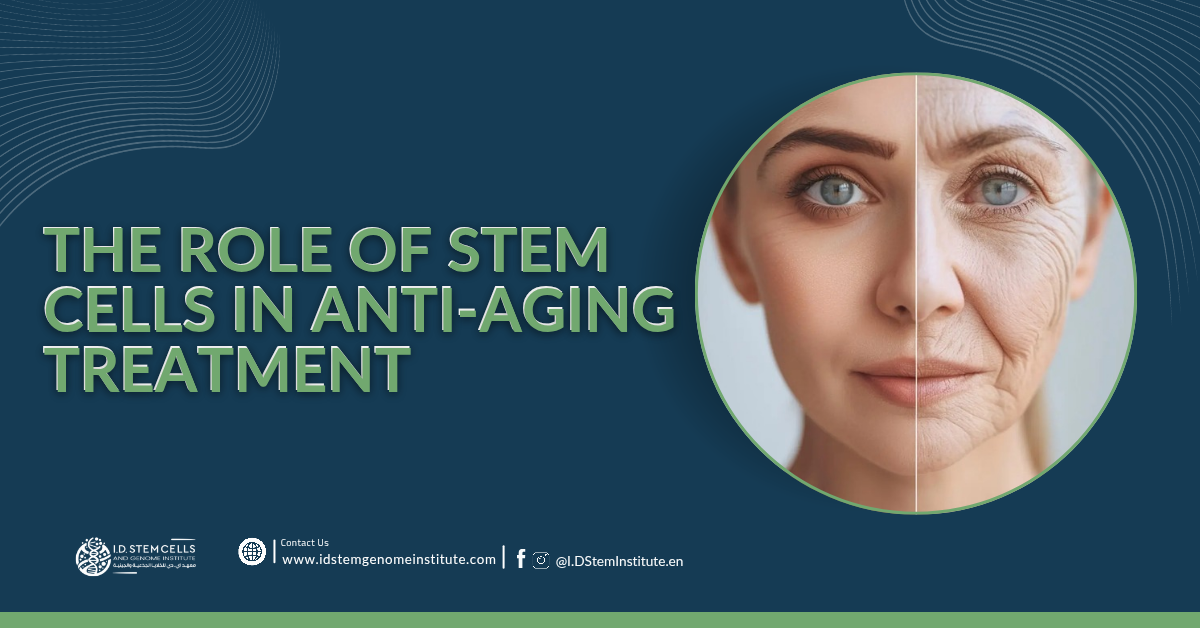
Skin rejuvenation: Stem cells can be used to regenerate the skin and reduce wrinkles and fine lines.
Treatment of aging-related diseases: Stem cells can be used to treat aging-related diseases such as Alzheimer's and Parkinson's.
Slowing the aging process: Stem cells may help slow the aging process at the cellular level.
Stem Cell Applications in Anti-Aging Treatment
Many studies are currently underway to study the effectiveness of stem cells in treating aging. Some potential applications include:
Skin rejuvenation: Stem cells can be used to regenerate the skin and reduce wrinkles and fine lines.
Treatment of aging-related diseases: Stem cells can be used to treat aging-related diseases such as Alzheimer's and Parkinson's.
Slowing the aging process: Stem cells may help slow the aging process at the cellular level.
Challenges and Future Prospects
Despite the promising potential of stem cells in anti-aging, there are several challenges that must be overcome, including:
Efficacy and safety: More research is still needed to determine the long-term effectiveness and safety of stem cell treatments.
Cost: Stem cell treatments are very expensive.
Challenges and Future Prospects
Despite the promising potential of stem cells in anti-aging, there are several challenges that must be overcome, including:
Efficacy and safety: More research is still needed to determine the long-term effectiveness and safety of stem cell treatments.
Cost: Stem cell treatments are very expensive.
Ethical issues: Stem cell research raises several ethical issues.
Stem cells are a promising tool in anti-aging, but there is still a long way to go before these treatments become widely available. However, continued progress in this field raises hope for a future where we can reverse the effects of aging and maintain youthful health for longer.
Ethical issues: Stem cell research raises several ethical issues.
Stem cells are a promising tool in anti-aging, but there is still a long way to go before these treatments become widely available. However, continued progress in this field raises hope for a future where we can reverse the effects of aging and maintain youthful health for longer.