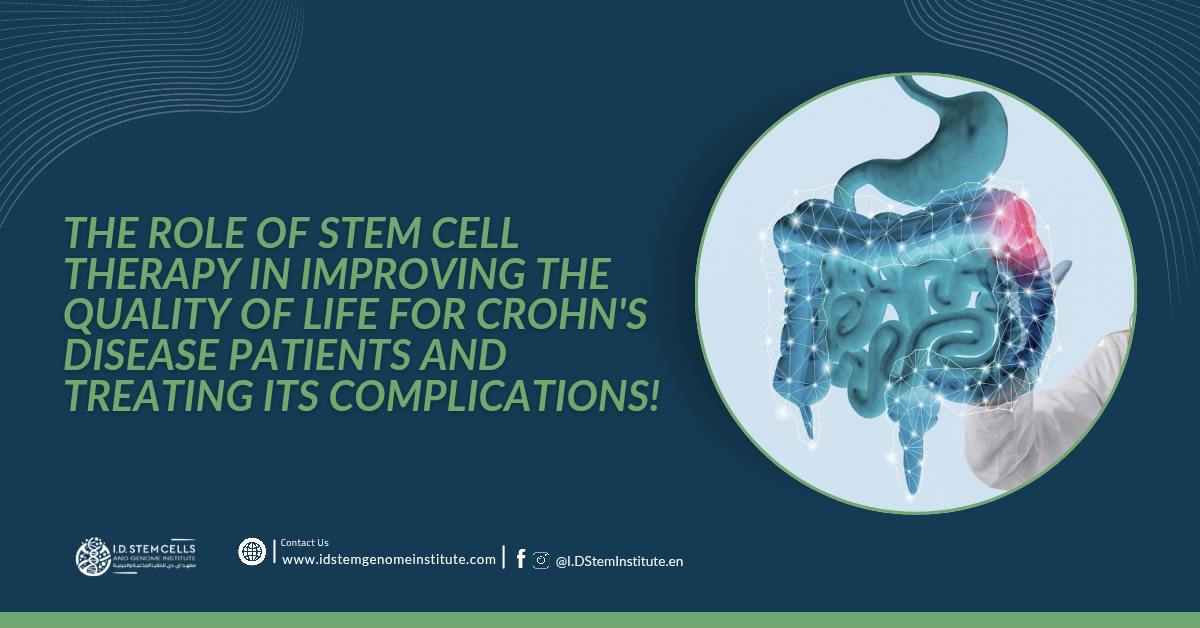
Crohn's disease is a chronic inflammatory bowel disease that significantly impacts patients' quality of life due to its recurrent nature and the difficulty in fully controlling it with traditional treatments. In recent years, stem cell therapy techniques have emerged as a promising trend in regenerative medicine, as researchers seek to utilize these cells' ability to regulate the immune response and regenerate damaged intestinal tissue.
What is Crohn's Disease?
Crohn's disease is classified as a chronic inflammatory bowel disease and can affect any part of the digestive tract, from the mouth to the anus, although it most commonly affects the small intestine and colon. This disease is characterized by deep inflammation that extends through
What is Crohn's Disease?
Crohn's disease is classified as a chronic inflammatory bowel disease and can affect any part of the digestive tract, from the mouth to the anus, although it most commonly affects the small intestine and colon. This disease is characterized by deep inflammation that extends through all layers of the intestinal wall, which can lead to ulceration and damage to intestinal tissue.
Common symptoms of the disease include chronic diarrhea, abdominal pain and cramps, weight loss, fatigue, and, in some cases, fever. The disease can also lead to other complications such as intestinal fistulas, intestinal obstruction, abscesses, and malabsorption.
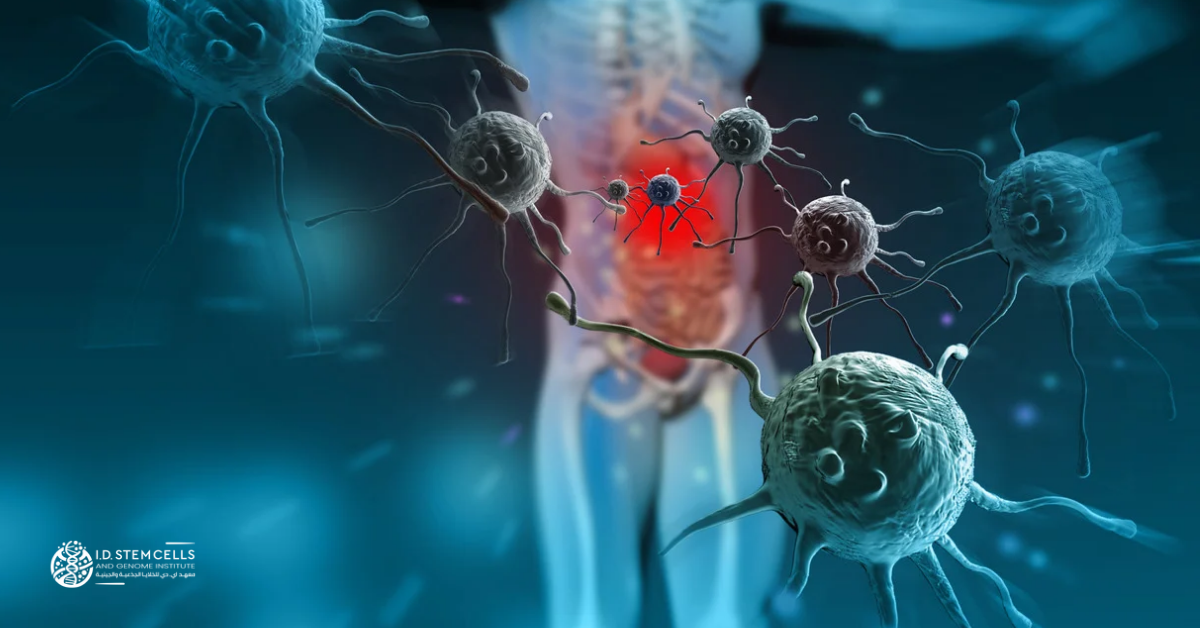
all layers of the intestinal wall, which can lead to ulceration and damage to intestinal tissue. Common symptoms of the disease include chronic diarrhea, abdominal pain and cramps, weight loss, fatigue, and, in some cases, fever. The disease can also lead to other complications such as intestinal fistulas, intestinal obstruction, abscesses, and malabsorption.
Why is Crohn's disease difficult to treat with conventional therapies?
Conventional treatment for Crohn's disease focuses on controlling inflammation and reducing symptoms, not completely eliminating the disease, because the exact cause is still not fully understood. Common treatments for Crohn's disease include anti-inflammatory drugs, immunosuppressants, biologic therapies, and, in some cases, surgery. While these treatments may help achieve periods of remission, many patients may experience recurrent flare-ups or an inadequate response to treatment.
Why is Crohn's disease difficult to treat with conventional therapies?
Conventional treatment for Crohn's disease focuses on controlling inflammation and reducing symptoms, not completely eliminating the disease, because the exact cause is still not fully understood. Common treatments for Crohn's disease include anti-inflammatory drugs, immunosuppressants, biologic therapies, and, in some cases, surgery. While these treatments may help achieve periods of remission, many patients may experience recurrent flare-ups or an inadequate response to treatment.
How do stem cells work in treating Crohn's disease?
Stem cells, especially mesenchymal stem cells, possess biological properties that make them a promising option for treating chronic inflammatory diseases. These cells work through several mechanisms, including:
Regulating the immune response:
Stem cells can help reduce the excessive immune activity that plays a key role in the development of intestinal inflammation in Crohn's patients.
Reducing Inflammation:
Stem cells secrete a range of anti-inflammatory molecules, such as IL-10 and TGF-β, which may help reduce inflammation within intestinal tissues.
Stimulating Tissue Repair:
Stem cells contribute to stimulating tissue regeneration processes and repairing the damaged intestinal lining.
How do stem cells work in treating Crohn's disease?
Stem cells, especially mesenchymal stem cells, possess biological properties that make them a promising option for treating chronic inflammatory diseases. These cells work through several mechanisms, including:
Regulating the immune response:
Stem cells can help reduce the excessive immune activity that plays a key role in the development of intestinal inflammation in Crohn's patients.
Reducing Inflammation:
Stem cells secrete a range of anti-inflammatory molecules, such as IL-10 and TGF-β, which may help reduce inflammation within intestinal tissues.
Stimulating Tissue Repair:
Stem cells contribute to stimulating tissue regeneration processes and repairing the damaged intestinal lining.
Stem Cells and Treating Fistulas in Crohn's Disease
Anal fistulas associated with Crohn's disease are among the most difficult complications to treat. Some clinical studies have shown promising results when using stem cells to treat this condition, as stem cells have helped promote fistula healing, reduce local inflammation, and improve patients' quality of life.
At the I.D. Stem Cells and Genome Institute, we keep abreast of the latest scientific developments in the field of stem cell and gene therapy and regenerative medicine. If you are interested in learning more about the potential benefits of these treatments and the latest research findings, please feel free to contact us.
Stem Cells and Treating Fistulas in Crohn's Disease
Anal fistulas associated with Crohn's disease are among the most difficult complications to treat. Some clinical studies have shown promising results when using stem cells to treat this condition, as stem cells have helped promote fistula healing, reduce local inflammation, and improve patients' quality of life.
At the I.D. Stem Cells and Genome Institute, we keep abreast of the latest scientific developments in the field of stem cell and gene therapy and regenerative medicine. If you are interested in learning more about the potential benefits of these treatments and the latest research findings, please feel free to contact us.