Medical Articles

The role of mouse embryonic stem cells in heart disease

The role of mouse embryonic stem cells in heart disease

When cultured as aggregates in suspension, embryonic stem cells form three-dimensional, multicellular complexes called embryoid bodies. These spherical structures resemble the egg cylinders of embryos 6 to 8 days after fertilization.

After about 4 to 8 days, these embryoid bodies typically contain skeletal structures between the inner mesothelial cells and the outer epithelial cells that begin to contract spontaneously.

These skeletal structures express key cardiac proteins and exhibit contractile properties, action potentials, and chronotropic responses similar to those described for embryoid bodies.

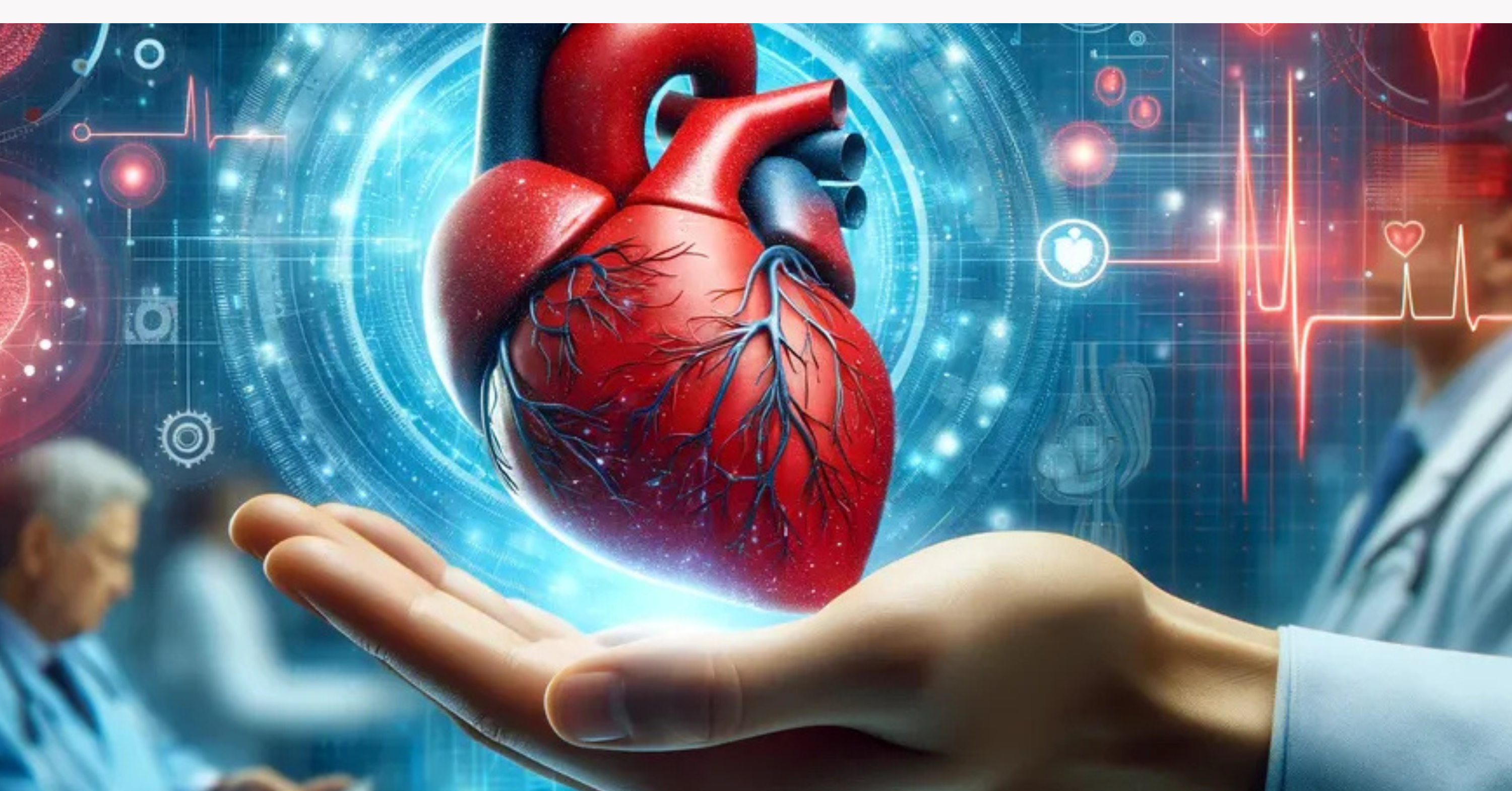
Early embryonic stem cells derived from embryonic stem cells that form in epithelial cells resemble pacemaker cells and primary cardiomyocytes. 
Image

Later, atrial, ventricular, ganglion cells, histaminergic cells, and Purkinje cells develop.

Cardiac transcription factors Nkx2.5, GATA-4, and MEF2C are expressed early during differentiation, while more mature stem cells express atrial natriuretic factor (ANF), sodium-calcium exchanger, and phospholamban as well as structural proteins such as myosin light chain (MLC)-2v, myosin heavy chain α and β, titin (Z and M domains), α-actinin, cardiac troponin T, α-actin, and M protein.

For immediate consultation with experts from the I.D. Institute for Stem Cell and Gene Research

For immediate consultation with experts from the I.D. Institute for Stem Cell and Gene Research

Image

you may also like

Image

you may also like

Image
Image
Image
Image

I.D. Journal of Stem Cell Research and Advanced Therapeutics

A medical journal published by the I.D. Institute for Stem Cell and Genome Research

Image
Image
Image
Image
Image
Image
Image
Image
I.D. Journal of Stem Cell Research and Advanced Therapeutics

A medical journal published by the I.D. Institute for Stem Cell and Genome Research

Image
Image
Image
Image
Image

I.D. Educational Community

Join the I.D. Community, an interactive environment bringing together experts, alumni, and students. This community aims to:

  • Exchange Clinical Expertise: Discuss challenging medical cases to enhance treatment outcomes.

  • Discuss Cutting-edge Research: Explore contemporary debates such as Digital Twins, Gerontology, and AI in medicine.

  • Build Professional Networks: Connect with leaders in regenerative medicine and global health organizations.

Image
Image
Image

I.D. Educational Community

Join the I.D. Community, an interactive environment bringing together experts, alumni, and students. This community aims to:

  • Exchange Clinical Expertise: Discuss challenging medical cases to enhance treatment outcomes.

  • Discuss Cutting-edge Research: Explore contemporary debates such as Digital Twins, Gerontology, and AI in medicine.

  • Build Professional Networks: Connect with leaders in regenerative medicine and global health organizations.

Image
Image
Image
Image

© 2025 I.D. Holding, By prof. Dr. Islam Dababseh

© 2025 I.D. Holding, By prof. Dr. Islam Dababseh

Image

© 2025 I.D. Holding, By prof. Dr. Islam Dababseh

© 2025 I.D. Holding, By prof. Dr. Islam Dababseh

Image