Medical Articles

The Pathophysiology of Coronaviruses

The Pathophysiology of Coronaviruses

SARS-CoV-2 belongs to the coronavirus family, whose members caused two previous pandemics in the early 21st century: one called SARS-CoV and the other called Middle East Respiratory Syndrome (MERS).

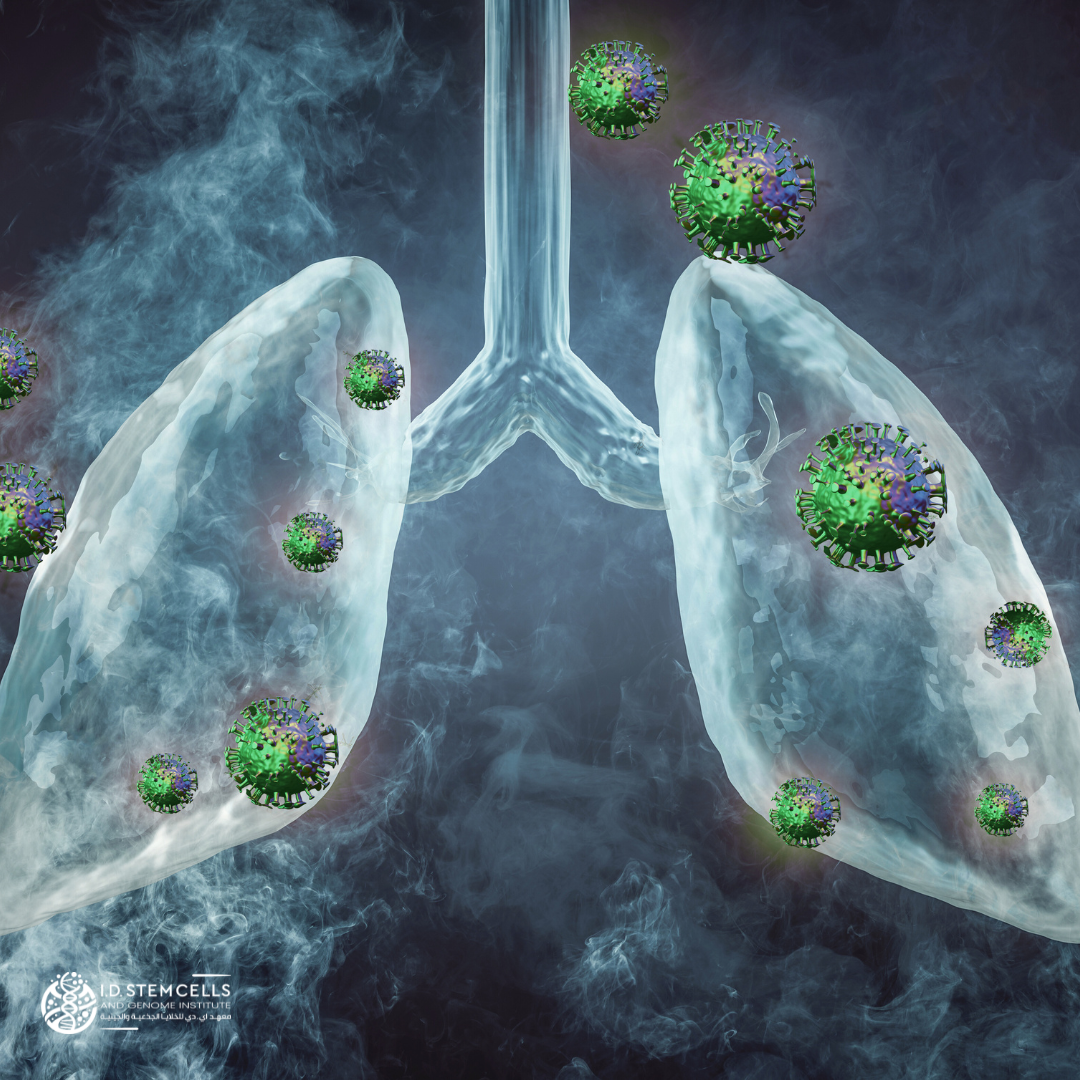
Coronaviruses are large, enveloped viruses with a positive-sense RNA genome. The lipid bilayer of the virus contains several proteins with different functions. The spike protein, or S glycoprotein (SP), contains two domains: S1 and S2, and is responsible for invasion, binding, and entry into human cells. The receptor-binding domain (RBD) of S1 interacts with angiotensin-converting enzyme 2 (ACE2) on the surface of the human host cell, a similar entry mechanism to SARS-CoV. However, the S2 domain is responsible for fusion with the viral cell membrane and for viral entry with a higher affinity.
Image

The higher expression of the ACE2 receptor in adults compared to children may be a reason for the higher infection rate in adults. Another noteworthy point is the increased levels of enzymes in the liver, heart, and kidneys of COVID-19 patients with pneumonia, which is consistent with the tissue profile of the ACE2 receptor. This could also explain the occurrence of multi-organ failure in some patients.

For immediate consultation with experts from the I.D. Institute for Stem Cell and Gene Research

For immediate consultation with experts from the I.D. Institute for Stem Cell and Gene Research

Image

you may also like

Image

you may also like

Image
Image
Image
Image

I.D. Journal of Stem Cell Research and Advanced Therapeutics

A medical journal published by the I.D. Institute for Stem Cell and Genome Research

Image
Image
Image
Image
Image
Image
Image
Image
I.D. Journal of Stem Cell Research and Advanced Therapeutics

A medical journal published by the I.D. Institute for Stem Cell and Genome Research

Image
Image
Image
Image
Image

I.D. Educational Community

Join the I.D. Community, an interactive environment bringing together experts, alumni, and students. This community aims to:

  • Exchange Clinical Expertise: Discuss challenging medical cases to enhance treatment outcomes.

  • Discuss Cutting-edge Research: Explore contemporary debates such as Digital Twins, Gerontology, and AI in medicine.

  • Build Professional Networks: Connect with leaders in regenerative medicine and global health organizations.

Image
Image
Image

I.D. Educational Community

Join the I.D. Community, an interactive environment bringing together experts, alumni, and students. This community aims to:

  • Exchange Clinical Expertise: Discuss challenging medical cases to enhance treatment outcomes.

  • Discuss Cutting-edge Research: Explore contemporary debates such as Digital Twins, Gerontology, and AI in medicine.

  • Build Professional Networks: Connect with leaders in regenerative medicine and global health organizations.

Image
Image
Image
Image

© 2025 I.D. Holding, By prof. Dr. Islam Dababseh

© 2025 I.D. Holding, By prof. Dr. Islam Dababseh

Image

© 2025 I.D. Holding, By prof. Dr. Islam Dababseh

© 2025 I.D. Holding, By prof. Dr. Islam Dababseh

Image