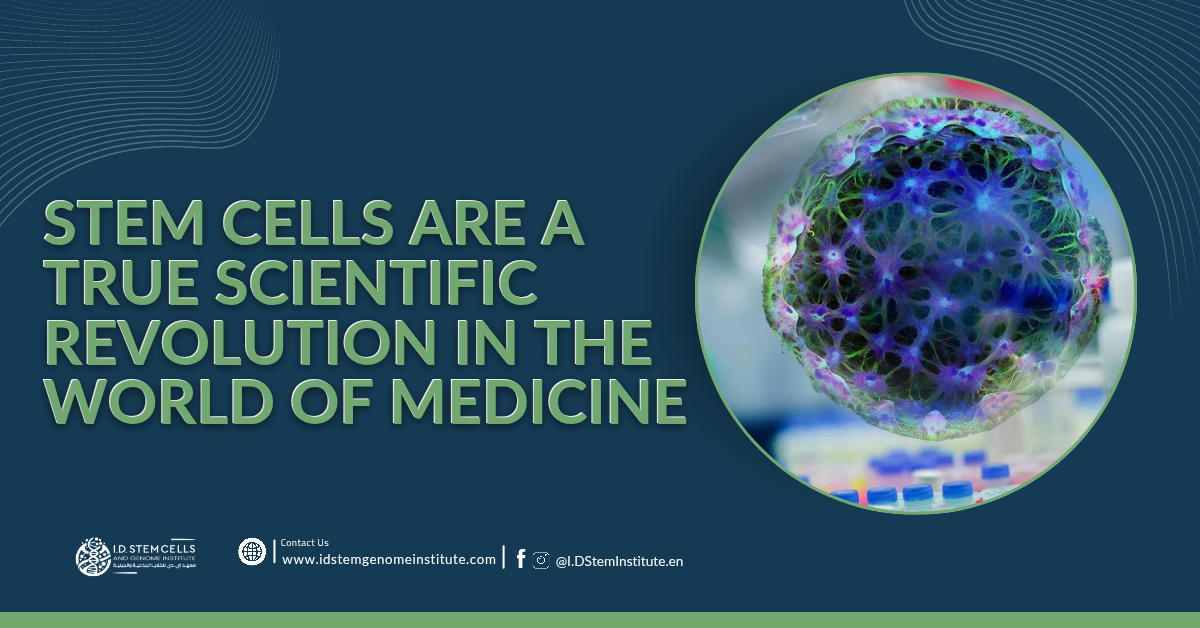
Stem cells are truly a scientific revolution in the world of medicine, holding tremendous potential to treat many diseases and injuries that were previously considered untreatable. This revolution is based on the ability of stem cells to self-renew and transform into various types of specialized cells in the body, making them a powerful tool in the field of regenerative medicine.
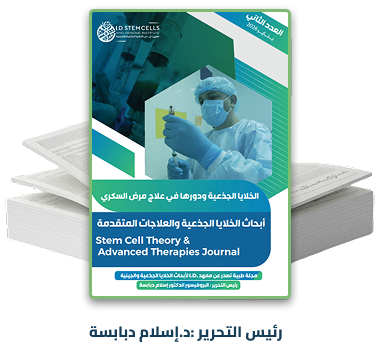
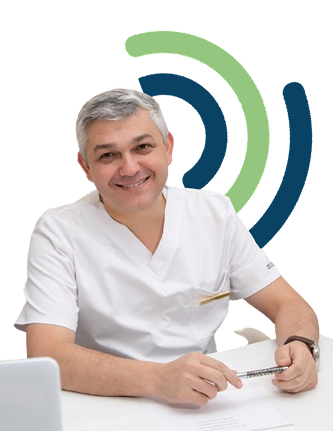
Dr. Islam Dababseh, Director of the ID Stem Cell and Embryonic Institute, talks about the types and sources of stem cells:
Stem cells vary in their types and sources, and each type has its own characteristics and uses:
Dr. Islam Dababseh, Director of the ID Stem Cell and Embryonic Institute, talks about the types and sources of stem cells:
Stem cells vary in their types and sources, and each type has its own characteristics and uses:
Embryonic Stem Cells (ESCs): These are extracted from early-stage embryos and have the potential to differentiate into any cell type in the body. However, their use raises ethical controversy due to the need to destroy the embryo to extract them.
- Adult Stem Cells: These are found in various tissues of the body, such as bone marrow, blood, and skin. Their differentiation capacity is limited compared to embryonic stem cells, but they do not raise the same ethical controversy.
- Induced Pluripotent Stem Cells (iPSCs): These are produced by reprogramming adult somatic cells to transform them into cells with a differentiation capacity similar to embryonic stem cells. This technique avoids the ethical controversy associated with embryonic stem cells and represents a significant advance in the field.
Dr. Islam Dababseh continued his discussion about the applications of stem cells in regenerative medicine.
Embryonic Stem Cells (ESCs): These are extracted from early-stage embryos and have the potential to differentiate into any cell type in the body. However, their use raises ethical controversy due to the need to destroy the embryo to extract them.
- Adult Stem Cells: These are found in various tissues of the body, such as bone marrow, blood, and skin. Their differentiation capacity is limited compared to embryonic stem cells, but they do not raise the same ethical controversy.
- Induced Pluripotent Stem Cells (iPSCs): These are produced by reprogramming adult somatic cells to transform them into cells with a differentiation capacity similar to embryonic stem cells. This technique avoids the ethical controversy associated with embryonic stem cells and represents a significant advance in the field.
Dr. Islam Dababseh continued his discussion about the applications of stem cells in regenerative medicine.
The potential applications of stem cells in regenerative medicine are numerous, including:
Treatment of heart disease: Stem cells can be used to repair damaged tissue in the heart after a myocardial infarction or to treat heart failure.
Treatment of neurological diseases: Stem cells hold promise for treating diseases such as Parkinson's disease, Alzheimer's disease, and spinal cord injuries.
Treatment of diabetes: Stem cells can differentiate into insulin-producing cells, potentially providing a cure for type 1 diabetes.
Repairing damaged joints and cartilage: Stem cells can be used to regenerate damaged cartilage in cases of arthritis and sports injuries.
Treating blood diseases: Bone marrow transplantation, which relies on hematopoietic stem cells, is widely used to treat leukemia and other blood diseases.
Wound healing: Stem cells can accelerate wound healing by promoting blood vessel formation and tissue regeneration.
With continued research and technological advancements, stem cells are expected to play an increasingly important role in medicine in the future. We may soon witness new stem cell-based treatments for incurable diseases, revolutionizing healthcare.
The potential applications of stem cells in regenerative medicine are numerous, including:
Treatment of heart disease: Stem cells can be used to repair damaged tissue in the heart after a myocardial infarction or to treat heart failure.
Treatment of neurological diseases: Stem cells hold promise for treating diseases such as Parkinson's disease, Alzheimer's disease, and spinal cord injuries.
Treatment of diabetes: Stem cells can differentiate into insulin-producing cells, potentially providing a cure for type 1 diabetes.
Repairing damaged joints and cartilage: Stem cells can be used to regenerate damaged cartilage in cases of arthritis and sports injuries.
Treating blood diseases: Bone marrow transplantation, which relies on hematopoietic stem cells, is widely used to treat leukemia and other blood diseases.
Wound healing: Stem cells can accelerate wound healing by promoting blood vessel formation and tissue regeneration.
With continued research and technological advancements, stem cells are expected to play an increasingly important role in medicine in the future. We may soon witness new stem cell-based treatments for incurable diseases, revolutionizing healthcare.
About the ID Stem Cell and Gene Institute:
The institute combines the latest scientific research and clinical expertise to provide advanced, personalized treatments for chronic diseases, injuries, and complex conditions. Led by Dr. Islam Dababseh, the institute comprises a team of elite physicians and researchers committed to improving patients' quality of life through a precise and comprehensive therapeutic approach. The institute also aims to raise the level of medical knowledge in the field of stem cells through awareness and ongoing training. For an immediate consultation with experts at the ID Stem Cell and Gene Institute, click here.
About the ID Stem Cell and Gene Institute:
The institute combines the latest scientific research and clinical expertise to provide advanced, personalized treatments for chronic diseases, injuries, and complex conditions. Led by Dr. Islam Dababseh, the institute comprises a team of elite physicians and researchers committed to improving patients' quality of life through a precise and comprehensive therapeutic approach. The institute also aims to raise the level of medical knowledge in the field of stem cells through awareness and ongoing training. For an immediate consultation with experts at the ID Stem Cell and Gene Institute, click here.