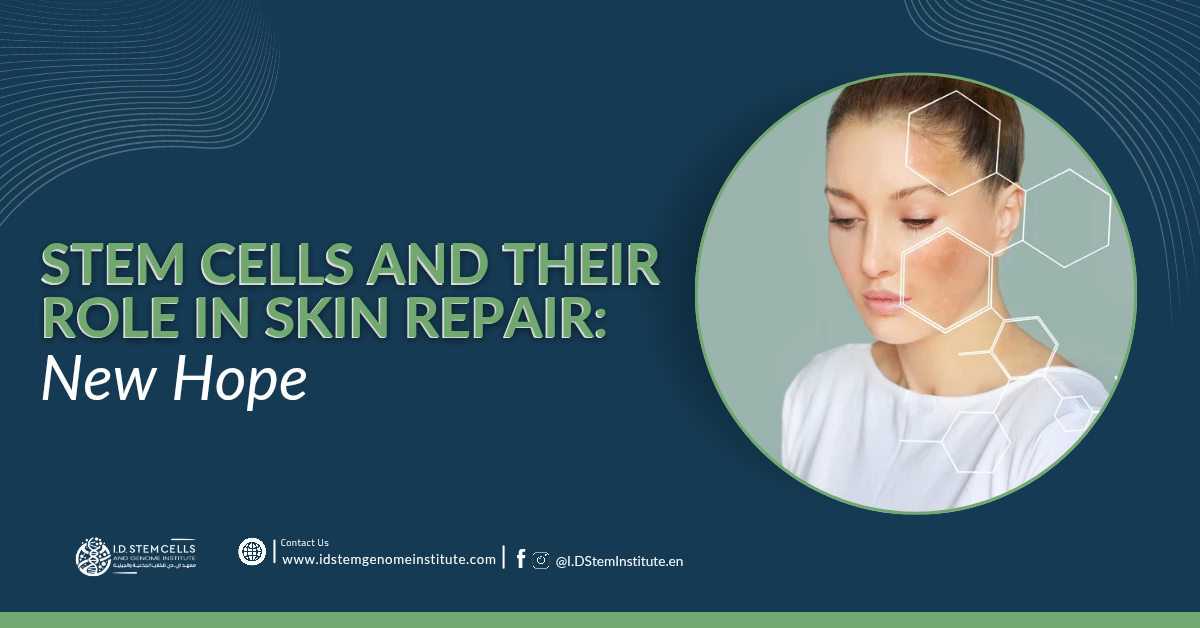
Stem cells are a crucial component of skin regeneration and wound healing due to their remarkable ability to self-renew and differentiate into multiple cell types. As the largest organ in the body, the skin plays a vital role as a protective barrier against the external environment. To maintain this function, the skin relies heavily on stem cells located in various layers, such as the epidermis, hair follicles, dermis, and subcutaneous tissue. These cells ensure continuous skin regeneration and the restoration of damaged tissue.
The mechanisms of stem cell action in skin repair include promoting new cell growth, regulating inflammatory responses, and secreting growth factors that contribute to wound healing and repair of damaged tissue. For example, mesenchymal stem cells (MSCs) can differentiate into various cell types essential for wound healing, such as dermal fibroblasts,
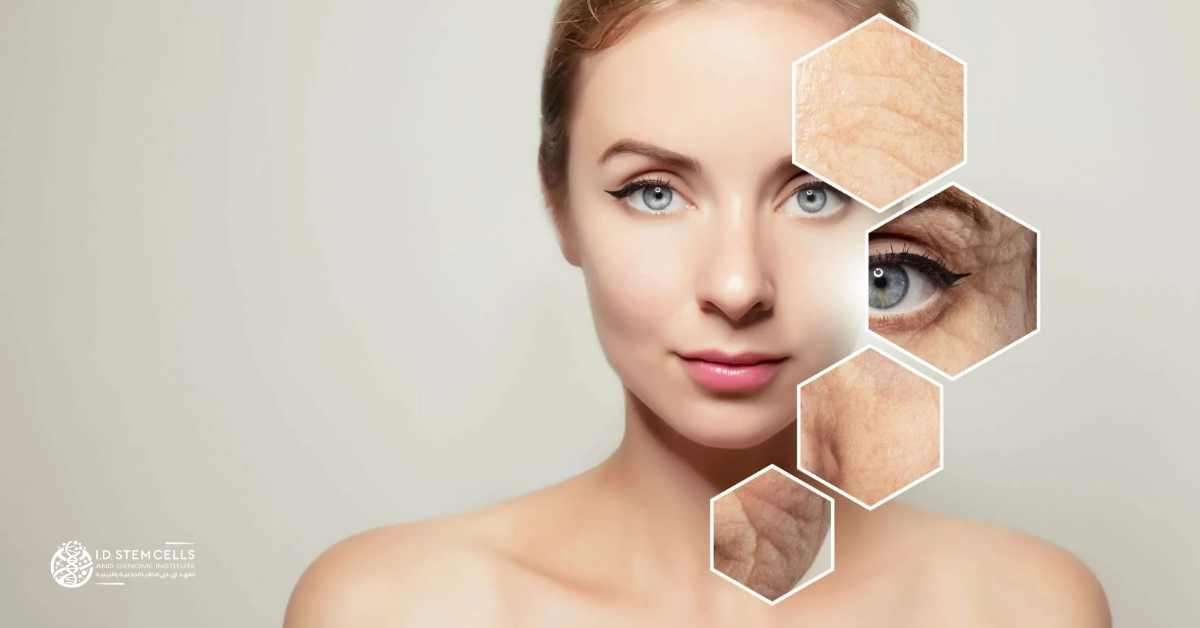
endothelial cells, and keratinocytes. Stem cells also contribute to the formation of new blood vessels and cell regeneration. Mesenchymal stem cells (MSCs) are multipotent adult stem cells that can be obtained from diverse sources such as bone marrow, adipose tissue, and umbilical cord blood. These cells have demonstrated significant therapeutic potential in skin regeneration and rejuvenation. MSCs are known for their ability to regulate the cellular response at the wound site, reducing inflammation and stimulating cell proliferation and migration. Paracrine signaling triggered by MSCs plays a pivotal role in this process.
There are several types of stem cells involved in wound healing and skin regeneration:
Epidermal stem cells (EPSCs): These cells are found in the basal layer of the epidermis and hair follicles. They are responsible for maintaining skin balance and repairing damaged tissue. These cells can differentiate into keratinocytes, sebaceous gland cells, and other skin-associated cells. Epidermal stem cells have been shown to secrete microscopic particles (exosomes) that promote skin regeneration by regulating growth factors.
Mesenchymal Stem Cells (MSCs): As previously mentioned, these cells are considered a promising source for cell therapy due to their ability to differentiate and their low immunogenicity. MSCs contribute to wound healing by promoting angiogenesis, collagen formation, and modulating inflammatory responses. They can be derived from multiple sources, such as adipose tissue (adipose-derived stem cells (ASCs)), bone marrow, and umbilical cord blood (umbilical cord mesenchymal stem cells (UC-MSCs)).
Adipose-derived stem cells (ASCs): Adipose stem cells are a relatively easy-to-obtain source of stem cells. They are of particular interest in skin wound repair due to their abundance, accessibility, and therapeutic properties, including their ability to promote skin regeneration and modulate the immune response.
There are several types of stem cells involved in wound healing and skin regeneration:
Epidermal stem cells (EPSCs): These cells are found in the basal layer of the epidermis and hair follicles. They are responsible for maintaining skin balance and repairing damaged tissue. These cells can differentiate into keratinocytes, sebaceous gland cells, and other skin-associated cells. Epidermal stem cells have been shown to secrete microscopic particles (exosomes) that promote skin regeneration by regulating growth factors.
Mesenchymal Stem Cells (MSCs): As previously mentioned, these cells are considered a promising source for cell therapy due to their ability to differentiate and their low immunogenicity. MSCs contribute to wound healing by promoting angiogenesis, collagen formation, and modulating inflammatory responses. They can be derived from multiple sources, such as adipose tissue (adipose-derived stem cells (ASCs)), bone marrow, and umbilical cord blood (umbilical cord mesenchymal stem cells (UC-MSCs)).
Adipose-derived stem cells (ASCs): Adipose stem cells are a relatively easy-to-obtain source of stem cells. They are of particular interest in skin wound repair due to their abundance, accessibility, and therapeutic properties, including their ability to promote skin regeneration and modulate the immune response.
Stem cells also play a vital role in treating chronic wounds, which often result from stem cell depletion or impaired healing mechanisms. Stem cells can be used to promote healing in burns and severe wounds, where they can contribute to the formation of new tissue and improve skin regeneration. The applications of stem cells in skin regeneration are not limited to acute wounds, but extend to dermatological conditions requiring skin regeneration and cosmetic rejuvenation. Recent research is investigating the use of umbilical cord-derived mesenchymal stem cells (UC-MSCs) to treat cutaneous nerve damage and promote wound healing.Despite the progress made, challenges remain for the widespread clinical application of stem cells, such as identifying the optimal source, treatment and administration methods, and ensuring cell survival and function at wound sites. To address these challenges, new strategies are being used, such as integrating stem cells with biomaterials to improve the survival and function of transplanted cells. In addition, stem cell-derived exosomes hold promise as a non-cellular therapy for wound healing. These particles carry therapeutic agents such as growth factors and regulatory molecules that can stimulate healing processes. At the (I.D. Stem Cells and Genome Institute), we keep abreast of the latest scientific advances in stem cell and gene therapy and regenerative medicine. If you are interested in learning more about the potential benefits of these treatments and the latest research findings, please feel free to contact us. To consult with experts at the ID Stem Cell and Gene Institute, click here.