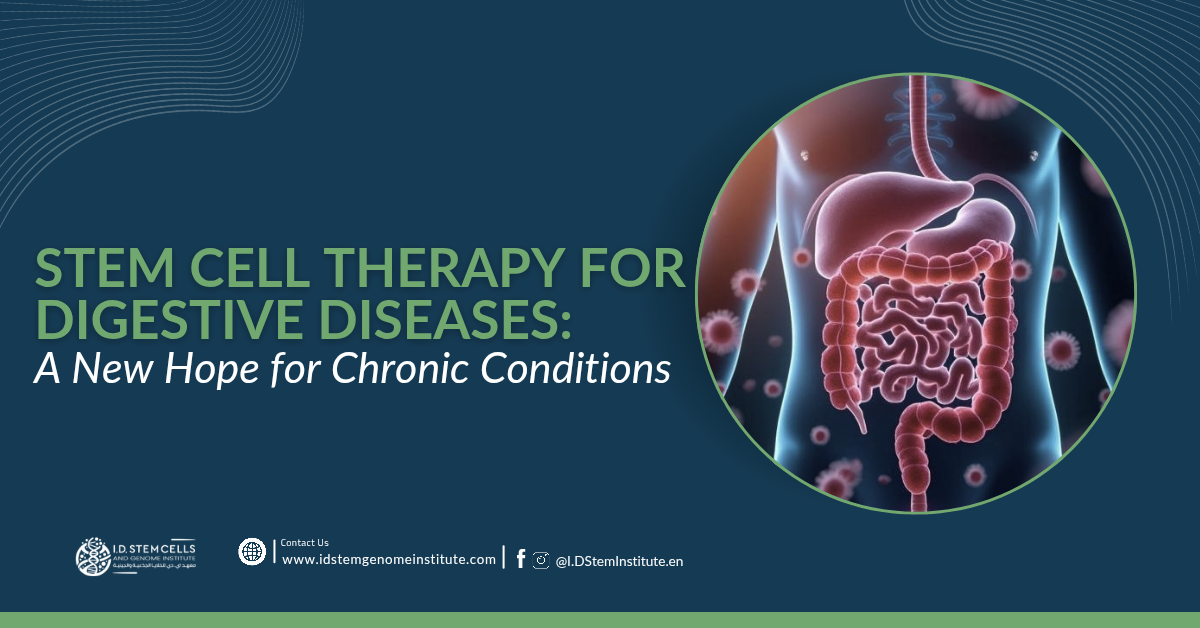
Stem cell therapy has become a promising field in treating many digestive diseases, especially chronic conditions and those difficult to treat with conventional therapies. This treatment relies on the unique ability of stem cells to regenerate and repair damaged tissues, and reduce inflammation within affected tissues.
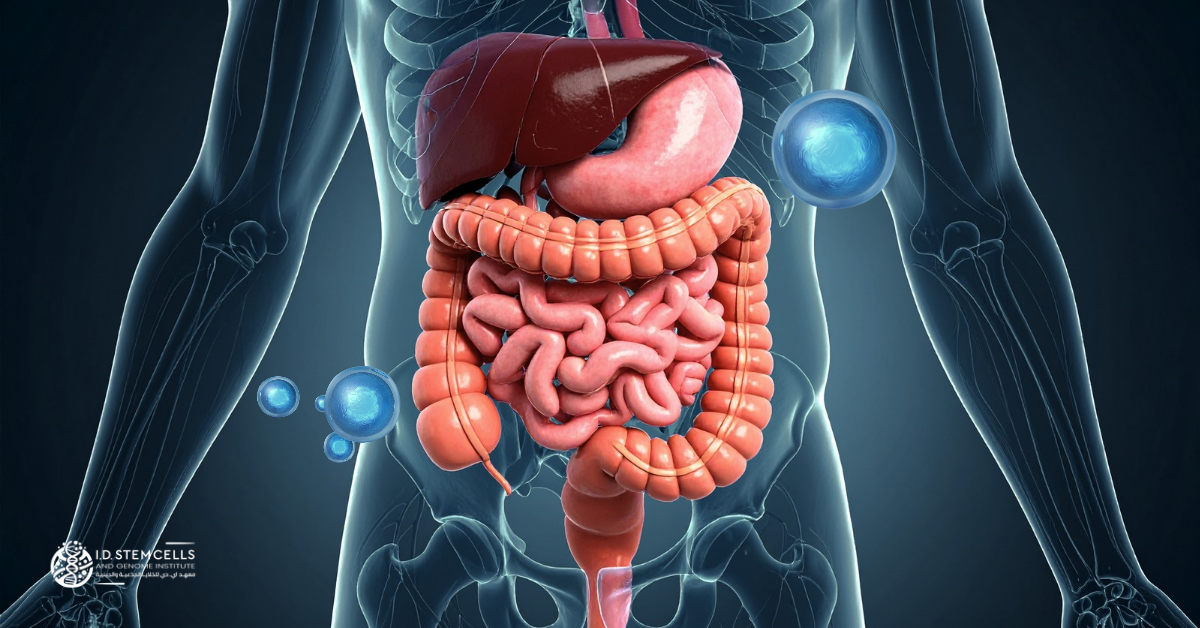
Among the most important digestive diseases that can benefit from stem cell therapy are:
1- Crohn's Disease
Crohn's is a chronic inflammatory bowel disease characterized by deep inflammation that extends through all layers of the intestinal wall.
Among the most important digestive diseases that can benefit from stem cell therapy are:
1- Crohn's Disease
Crohn's is a chronic inflammatory bowel disease characterized by deep inflammation that extends through all layers of the intestinal wall. This inflammation can cause ulcers and damage to the intestinal lining, leading to symptoms such as diarrhea, abdominal pain, weight loss, and fatigue. In some cases, it can lead to complications such as fistulas, intestinal obstruction, or abscesses. Conventional treatment focuses on controlling these symptoms and reducing inflammation, but there is still no cure for the disease. Stem cell therapies may help reduce immune inflammation, repair damaged intestinal lining, and treat intestinal fistulas associated with the disease. Some recent studies have shown promising results for using stem cell techniques in treating anal fistulas associated with Crohn's disease.
2- Ulcerative Colitis
This is a chronic autoimmune disease that affects the mucous lining of the colon and rectum, causing inflammation and persistent superficial ulcers that may lead to bleeding. Stem cell therapy for ulcerative colitis may help rebalance the immune system, regenerate colon lining cells, reduce the severity of relapses, and control the disease.
3- Liver Cirrhosis
Liver cirrhosis is an advanced stage of chronic liver damage, characterized by the replacement of healthy liver tissue with hard, fibrous scar tissue. This obstructs blood flow within liver cells and leads to progressive liver failure. Stem cell therapies may help stimulate liver cell regeneration, improve liver function, and reduce the need for liver transplantation in some early-stage cases.
4- Liver Failure
This is a serious medical condition in which the liver loses its ability to perform its essential functions due to severe damage to liver tissue. This leads to a buildup of toxins in the body and life-threatening complications. In some cases of liver failure, stem cells are used as a supportive treatment to try to stimulate liver cell regeneration and partially improve liver function.
5- Short Bowel Syndrome
This syndrome usually occurs as a result of surgical removal of a large portion of the small intestine, or due to congenital defects or diseases that have damaged it. This leads to impaired absorption of nutrients and fluids. Stem cell therapies can be used to stimulate the regeneration of the intestinal lining and increase its absorption capacity.
This inflammation can cause ulcers and damage to the intestinal lining, leading to symptoms such as diarrhea, abdominal pain, weight loss, and fatigue. In some cases, it can lead to complications such as fistulas, intestinal obstruction, or abscesses. Conventional treatment focuses on controlling these symptoms and reducing inflammation, but there is still no cure for the disease. Stem cell therapies may help reduce immune inflammation, repair damaged intestinal lining, and treat intestinal fistulas associated with the disease. Some recent studies have shown promising results for using stem cell techniques in treating anal fistulas associated with Crohn's disease.
2- Ulcerative Colitis
This is a chronic autoimmune disease that affects the mucous lining of the colon and rectum, causing inflammation and persistent superficial ulcers that may lead to bleeding. Stem cell therapy for ulcerative colitis may help rebalance the immune system, regenerate colon lining cells, reduce the severity of relapses, and control the disease.
3- Liver Cirrhosis
Liver cirrhosis is an advanced stage of chronic liver damage, characterized by the replacement of healthy liver tissue with hard, fibrous scar tissue. This obstructs blood flow within liver cells and leads to progressive liver failure. Stem cell therapies may help stimulate liver cell regeneration, improve liver function, and reduce the need for liver transplantation in some early-stage cases.
4- Liver Failure
This is a serious medical condition in which the liver loses its ability to perform its essential functions due to severe damage to liver tissue. This leads to a buildup of toxins in the body and life-threatening complications. In some cases of liver failure, stem cells are used as a supportive treatment to try to stimulate liver cell regeneration and partially improve liver function.
5- Short Bowel Syndrome
This syndrome usually occurs as a result of surgical removal of a large portion of the small intestine, or due to congenital defects or diseases that have damaged it. This leads to impaired absorption of nutrients and fluids. Stem cell therapies can be used to stimulate the regeneration of the intestinal lining and increase its absorption capacity.
Many applications of stem cell therapy in gastrointestinal diseases are still under investigation and undergoing clinical trials. Results may vary depending on the medical condition and stage of the disease. At the I.D. Stem Cells and Genome Institute, we keep abreast of the latest scientific developments in the field of stem cell and gene therapy and regenerative medicine. If you are interested in learning more about the potential benefits of these treatments and the latest research findings, please feel free to contact us.