Stem cells are one of the most significant scientific discoveries of recent decades, representing hope for treating many incurable diseases such as cancer, diabetes, heart disease, and neurological disease. Thanks to their ability to transform into multiple types of specialized cells in the body, stem cells open new horizons in regenerative medicine and personalized therapy. However, despite their great potential, this technology faces many challenges that hinder its widespread use.
1. Scientific and Medical Challenges
One of the biggest challenges facing stem cells is understanding how to effectively control their development and transform them into specialized cells. Despite significant progress in this field, scientists still face difficulty ensuring that stem cells grow properly and are directed toward the desired tissues or organs.
1. Scientific and Medical Challenges
One of the biggest challenges facing stem cells is understanding how to effectively control their development and transform them into specialized cells. Despite significant progress in this field, scientists still face difficulty ensuring that stem cells grow properly and are directed toward the desired tissues or organs.
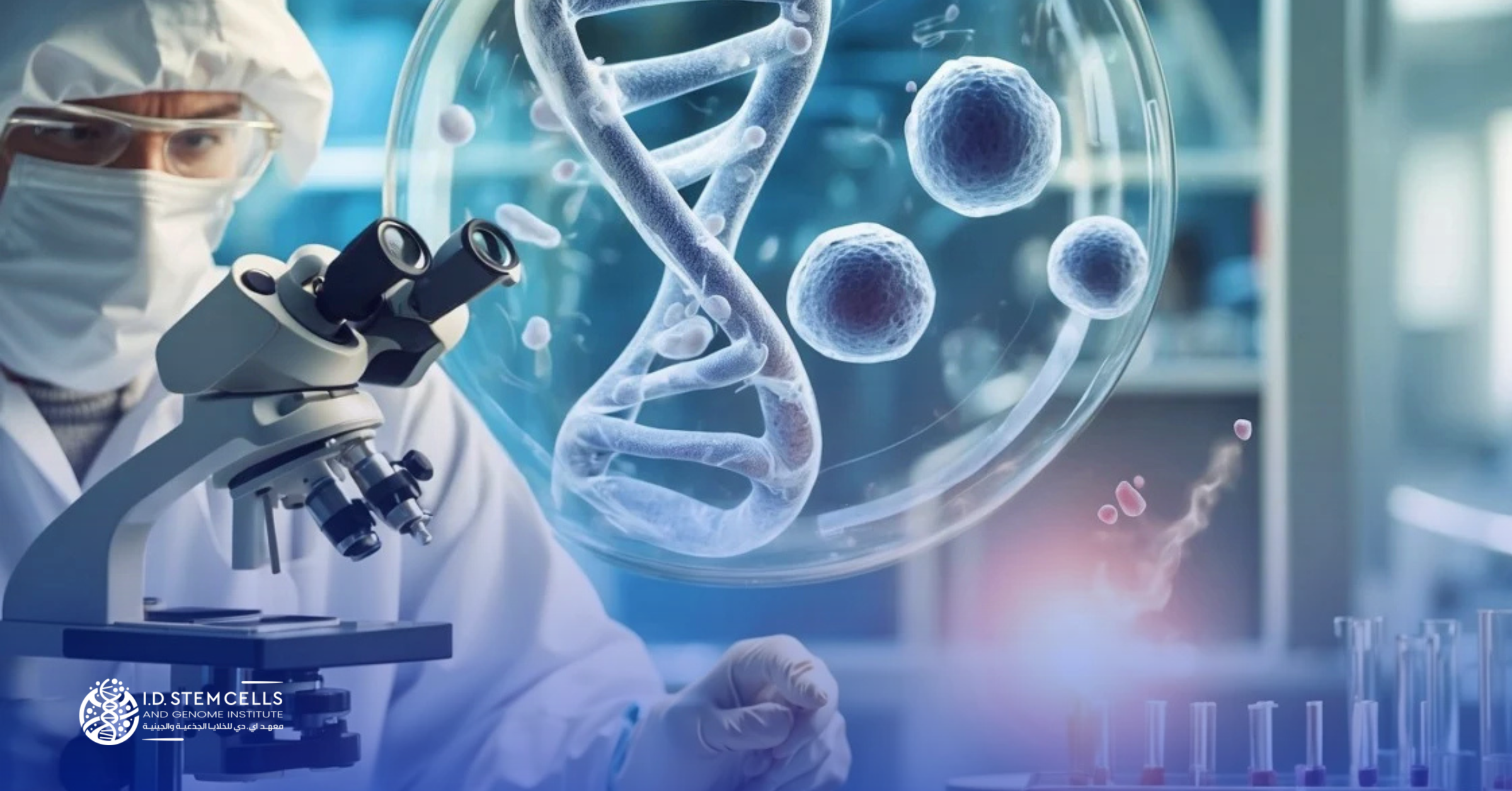
Furthermore, there are concerns about the possibility of unwanted cell transformations, such as cancerous cells resulting from uncontrolled growth.
2. Ethical Concerns
One of the most prominent challenges facing stem cell research is the ethical issues surrounding the use of embryonic stem cells. These cells are obtained from embryos at an early stage of development, raising ethical questions about embryo rights and their protection. Some opponents believe that the use of embryonic stem cells constitutes a violation of human rights, which has led some countries to enact laws prohibiting or restricting this type of research. However, research indicates the existence of another type of stem cell called induced pluripotent stem cells (iPSCs), which are produced from adult cells, potentially addressing some of this ethical dilemma.
2. Ethical Concerns
One of the most prominent challenges facing stem cell research is the ethical issues surrounding the use of embryonic stem cells. These cells are obtained from embryos at an early stage of development, raising ethical questions about embryo rights and their protection. Some opponents believe that the use of embryonic stem cells constitutes a violation of human rights, which has led some countries to enact laws prohibiting or restricting this type of research. However, research indicates the existence of another type of stem cell called induced pluripotent stem cells (iPSCs), which are produced from adult cells, potentially addressing some of this ethical dilemma.
Despite the significant challenges facing stem cell research, there remains hope for the development of this technology. With advances in research and technology, stem cells are expected to revolutionize the treatment of incurable diseases and lead to significant advances in regenerative medicine.