Medical Articles

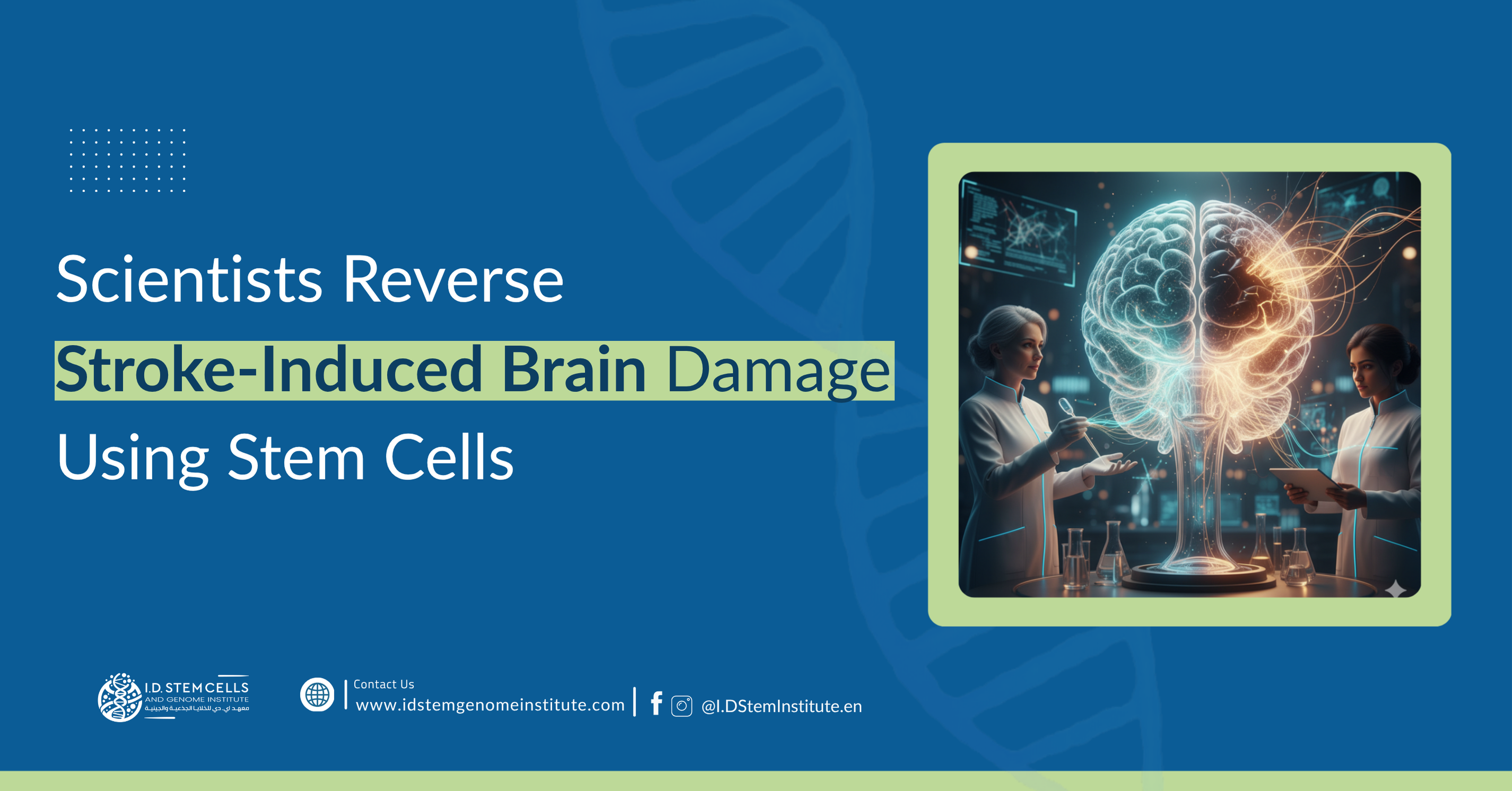
Scientists Reverse Stroke-Induced Brain Damage Using Stem Cells

Scientists Reverse Stroke-Induced Brain Damage Using Stem Cells

In a groundbreaking study, scientists at the University of Zurich have successfully reversed stroke-induced damage in mice using human neural stem cells, successfully regenerating neurons, restoring blood vessels, and even restoring motor function.

These lab-grown cells were transplanted a week after a stroke and not only integrated into existing neural networks in the brain but also triggered a series of regenerative effects, including reduced inflammation and improved blood-brain barrier integrity.
Image

The treated mice showed motor recovery, verified by artificial intelligence-assisted gait analysis, offering new hope for the millions of people with long-term disabilities after strokes.
Image

Importantly, the research used human induced pluripotent stem cells, which were prepared without the use of animal-source materials, bringing the treatment one step closer to clinical application. The delayed transplantation timing seven days after a stroke could simplify human applications by giving doctors more time to prepare the treatment. While safety measures, such as cell growth control and non-invasive delivery methods, are still under development, these findings represent an important step toward potential treatments for restoring function in stroke patients in humans. As trials of cell-based therapies for diseases like Parkinson's begin, trials for stroke treatment may soon follow.
Image

At the I.D. Stem Cells and Genome Institute, we keep up with the latest developments in stem cell and gene therapy and regenerative medicine. If you are interested in learning more about the potential benefits of these treatments and the latest research findings, please feel free to contact us.

For immediate consultation with experts from the I.D. Institute for Stem Cell and Gene Research

For immediate consultation with experts from the I.D. Institute for Stem Cell and Gene Research

Image

you may also like

Image

you may also like

Image
Image
Image
Image

I.D. Journal of Stem Cell Research and Advanced Therapeutics

A medical journal published by the I.D. Institute for Stem Cell and Genome Research

Image
Image
Image
Image
Image
Image
Image
Image
I.D. Journal of Stem Cell Research and Advanced Therapeutics

A medical journal published by the I.D. Institute for Stem Cell and Genome Research

Image
Image
Image
Image
Image

I.D. Educational Community

Join the I.D. Community, an interactive environment bringing together experts, alumni, and students. This community aims to:

  • Exchange Clinical Expertise: Discuss challenging medical cases to enhance treatment outcomes.

  • Discuss Cutting-edge Research: Explore contemporary debates such as Digital Twins, Gerontology, and AI in medicine.

  • Build Professional Networks: Connect with leaders in regenerative medicine and global health organizations.

Image
Image
Image

I.D. Educational Community

Join the I.D. Community, an interactive environment bringing together experts, alumni, and students. This community aims to:

  • Exchange Clinical Expertise: Discuss challenging medical cases to enhance treatment outcomes.

  • Discuss Cutting-edge Research: Explore contemporary debates such as Digital Twins, Gerontology, and AI in medicine.

  • Build Professional Networks: Connect with leaders in regenerative medicine and global health organizations.

Image
Image
Image
Image

© 2025 I.D. Holding, By prof. Dr. Islam Dababseh

© 2025 I.D. Holding, By prof. Dr. Islam Dababseh

Image

© 2025 I.D. Holding, By prof. Dr. Islam Dababseh

© 2025 I.D. Holding, By prof. Dr. Islam Dababseh

Image