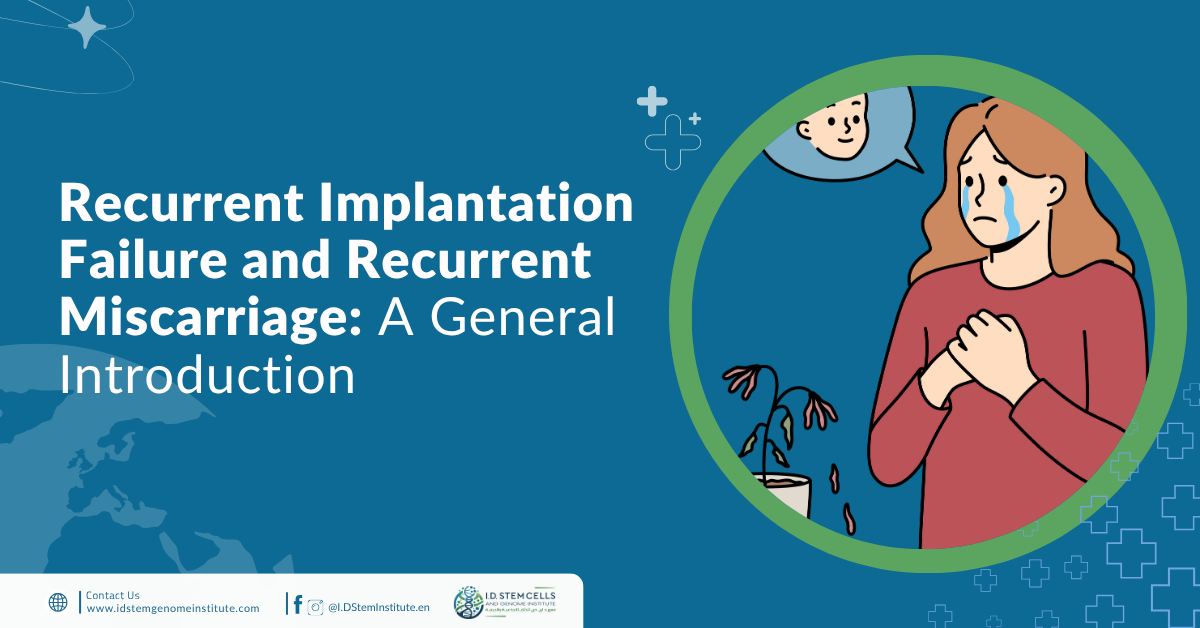
Recurrent implantation failure (RIF) occurs when high-quality embryos produced through IVF are unable to implant repeatedly. Any defect in the embryo, endometrium, or immune system can lead to implantation failure.
Successful implantation depends on the quality of the embryo, the implantation capacity of the recipient endometrium, the mother's immune system, and the father's sperm. Maternal factors responsible for RIF include uterine anatomic defects, thrombosis, connective tissue disease, endometrial thickness and non-receptivity, abnormal immune
response, endometriosis, and cumulus cell competence. Fetal factors responsible for RIF include genetic abnormalities and other intrinsic factors that impede embryo development, hatching, and implantation. Treatment strategies should be based on a correct diagnosis of the factors responsible for RIF.
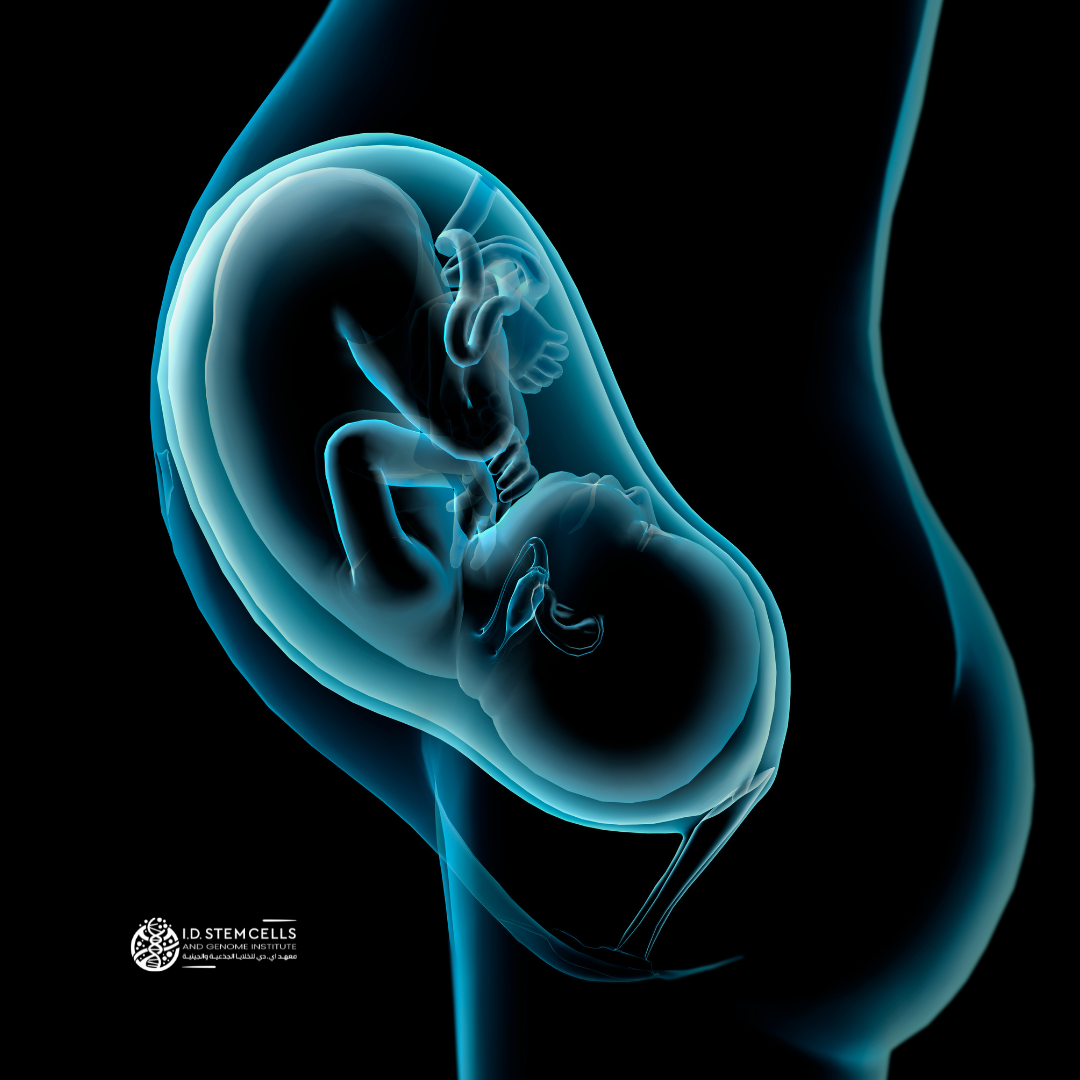
Recurrent miscarriage is defined as three consecutive pregnancy losses after 20 weeks of the last menstrual period. Causes of recurrent miscarriage include uterine anatomical abnormalities, antiphospholipid syndrome, acquired or hereditary thrombophilia, chromosomal abnormalities, environmental factors, infections, uncontrolled diabetes, unresolved hypothyroidism, and other endocrine disorders.