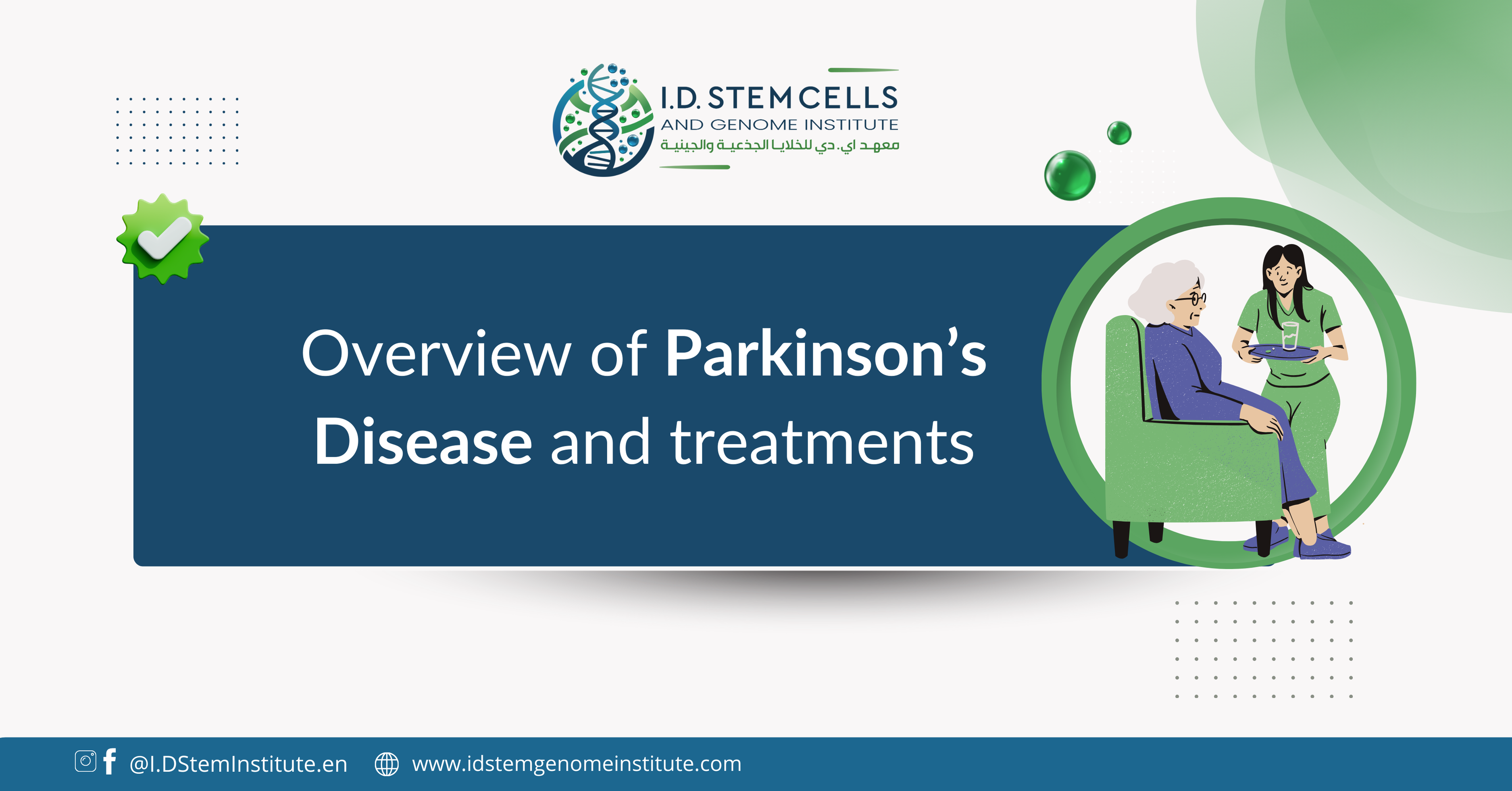
Parkinson’s disease is the second most common neurological disorder and the fastest growing neurological disease in numerical terms, affecting approximately 1% of people over the age of 60 in high-income countries.
Although dopamine replacement therapy has significant symptomatic benefit, it does not slow disease progression, and levodopa-resistant symptoms develop over time, findings that justify the exploration of disease-modifying therapies beyond existing treatments.
Parkinson’s disease pathology has been linked to α-synuclein, a small, locally unfolded cytoplasmic protein that can misfold and form aggregated polymers, which are a major component of Lewy bodies and Lewy neurites. Rare genetic mutations in the SNCA gene that encodes α-synuclein cause autosomal dominantly inherited Parkinson’s disease.

In the brain, alpha-synuclein is highly expressed, and its roles include vesicular transport and neurotransmitter release, including dopamine release. A proposed mechanism for the progressive nature of Parkinson's disease is that oligomeric alpha-synuclein spreads from cell to cell. It induces misfolding of native α-synuclein in a prion-like manner. Targeting aggregates of α-synuclein, including extracellular forms, has been proposed as a disease-modifying therapy for Parkinson's disease.