
Nucleotide biosynthesis inhibitors were among the first antitumor agents to be discovered, and they remain the backbone of treatment for many cancer indications. Recently, nucleotide biosynthesis has been “rediscovered” several times as a critical vulnerability of cancer in various genomic screening approaches.
Excessive synthesis and utilization of nucleotide triphosphates (NTPs) and their deoxynucleotide counterparts (dNTPs) is a universal feature of cancer cells that can be highly druggable.
The supraphysiological abundance of intracellular nucleotides contributes to many aspects of cancer cell behavior, including uncontrolled proliferation, immune evasion, metastasis, and resistance to therapy. Furthermore, several oncogenic drivers have been shown to regulate nucleotide biosynthesis, suggesting that this phenotype is critical for cancer initiation and progression toward oncogene activation.

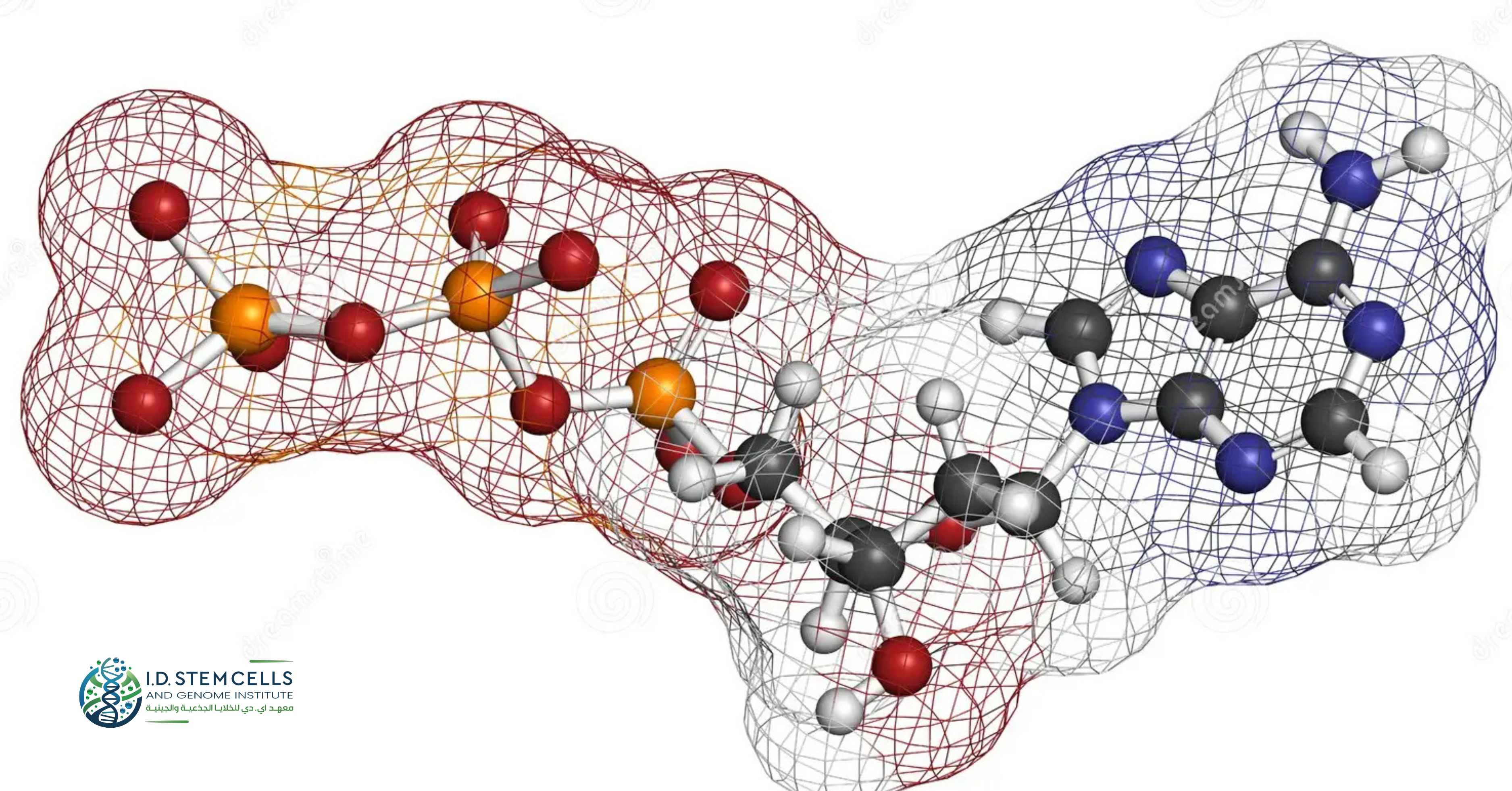
Purine and pyrimidine nucleotides are synthesized through two distinct pathways: the de novo pathway, which involves the incorporation of small precursors into nucleotides in an energy-intensive multistep series of enzymatic reactions, and the nucleoside/nucleobase salvage pathway, in which a nucleoside or nucleobase is converted to the cognate nucleoside monophosphate (NMP) in a single phosphorylation or phosphoribosyltransferase reaction, respectively.