
Medical Articles

Key Pathways Associated with Autism Risk Genes

key-pathways-associated-with-autism-risk-genes

ASD-associated variants may affect protein synthesis, transcription, epigenetic regulation, and synaptic signaling, which underlie the various forms of autism.

Many genes have been found to be differentially expressed across brain regions, with dysregulation of synaptic function prevalent in patients with ASD, or even related to immunity and microglial activation, supporting the hypothesis that abnormal synaptic plasticity and impaired synaptic homeostasis may play a key role in autism susceptibility. The key pathways associated with autism risk genes are:

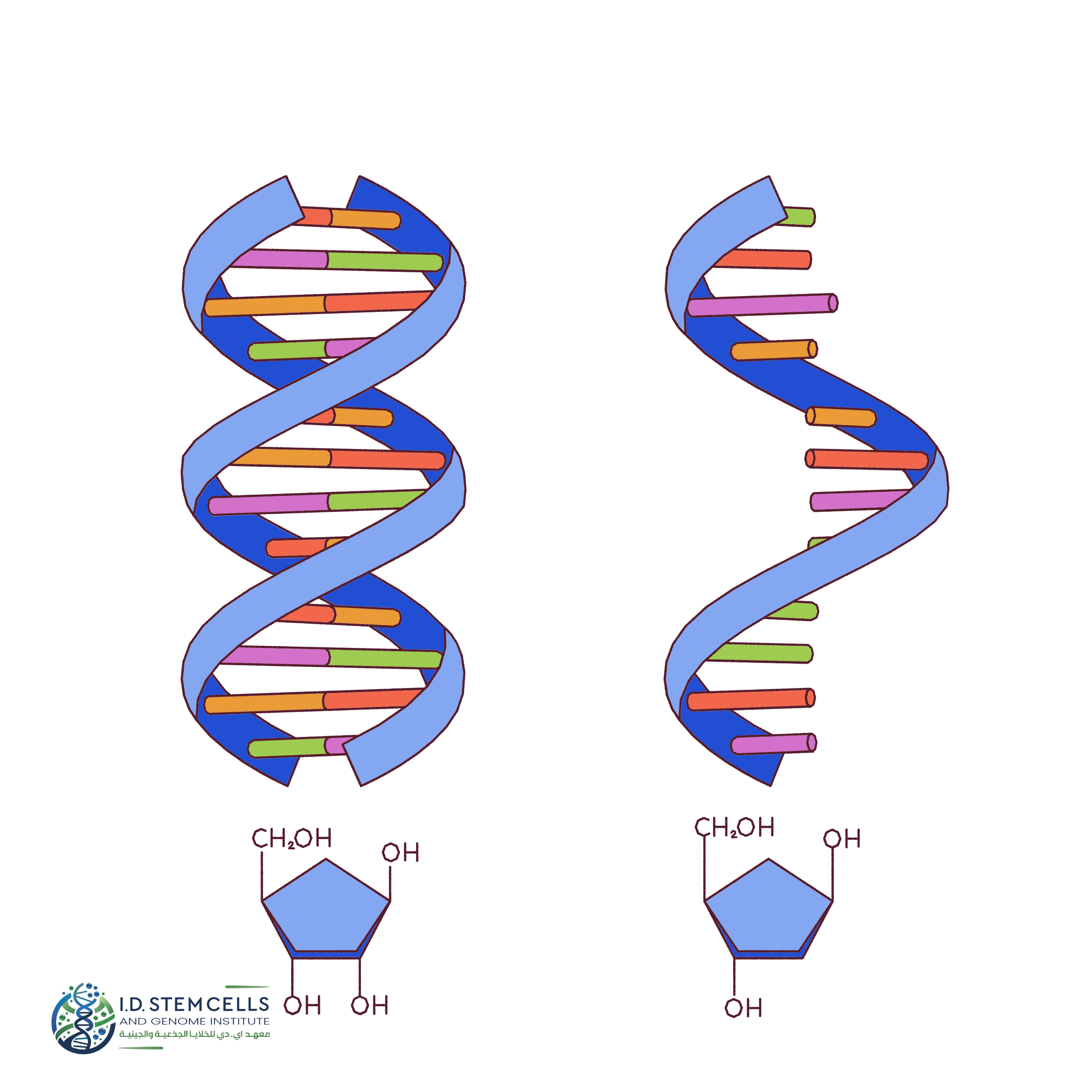
1.Chromatin remodeling: Mutations in genes encoding chromatin remodeling regulators and transcription of genes affecting neuronal connectivity and synaptic plasticity (e.g., MECP2, MEF2C, HDAC4, CHD8, and CTNNB1).
Image

2. Protein synthesis: Synaptic protein levels can be influenced by neuronal activity through global and local mechanisms. In autism spectrum disorder, synaptic protein regulation occurs in a dysregulated manner.

3. Protein degradation: The ubiquitin-proteasome system, which is involved in protein degradation and synapse formation and is encoded by the UBE3A gene (which encodes a ubiquitin ligase), is mutated in patients with Angelman syndrome and duplicated on maternal chromosome 15q11 in individuals with autism. 

Although genomic studies of individuals diagnosed with autism spectrum disorder have increased dramatically in recent years, our understanding of the impact of these genetic variants on the neurobiology of autism spectrum disorder remains insufficient.

For immediate consultation with experts from the I.D. Institute for Stem Cell and Gene Research

For immediate consultation with experts from the I.D. Institute for Stem Cell and Gene Research

Image

you may also like

Image

you may also like

Image
Image
Image
Image

I.D. Journal of Stem Cell Research and Advanced Therapeutics

A medical journal published by the I.D. Institute for Stem Cell and Genome Research

Image
Image
Image
Image
Image
Image
Image
Image
I.D. Journal of Stem Cell Research and Advanced Therapeutics

A medical journal published by the I.D. Institute for Stem Cell and Genome Research

Image
Image
Image
Image
Image

I.D. Educational Community

Join the I.D. Community, an interactive environment bringing together experts, alumni, and students. This community aims to:

  • Exchange Clinical Expertise: Discuss challenging medical cases to enhance treatment outcomes.

  • Discuss Cutting-edge Research: Explore contemporary debates such as Digital Twins, Gerontology, and AI in medicine.

  • Build Professional Networks: Connect with leaders in regenerative medicine and global health organizations.

Image
Image
Image

I.D. Educational Community

Join the I.D. Community, an interactive environment bringing together experts, alumni, and students. This community aims to:

  • Exchange Clinical Expertise: Discuss challenging medical cases to enhance treatment outcomes.

  • Discuss Cutting-edge Research: Explore contemporary debates such as Digital Twins, Gerontology, and AI in medicine.

  • Build Professional Networks: Connect with leaders in regenerative medicine and global health organizations.

Image
Image
Image
Image

© 2025 I.D. Holding, By prof. Dr. Islam Dababseh

© 2025 I.D. Holding, By prof. Dr. Islam Dababseh

Image

© 2025 I.D. Holding, By prof. Dr. Islam Dababseh

© 2025 I.D. Holding, By prof. Dr. Islam Dababseh

Image