Previous studies have shown that cancer stem cells can regulate the inflammatory response by suppressing white blood cells and stimulating anti-inflammatory subsets in the innate and adaptive immune systems.
After a myocardial infarction (MI), monocytes migrate to the infarct site, where they differentiate into macrophages, which secrete cytokines, chemokines, and growth factors to remove infarcted myocardial cells and apoptotic neutrophils. Macrophage activation after a MI results in the production of various cell types with distinct immune functions, primarily M1 macrophages, which produce interferon, tumor necrosis factor, and interleukin-23, enhancing the inflammatory response. M2 macrophages, which are stimulated and activated by glucocorticoids or Th2-associated cytokines, promote cell proliferation and angiogenesis.

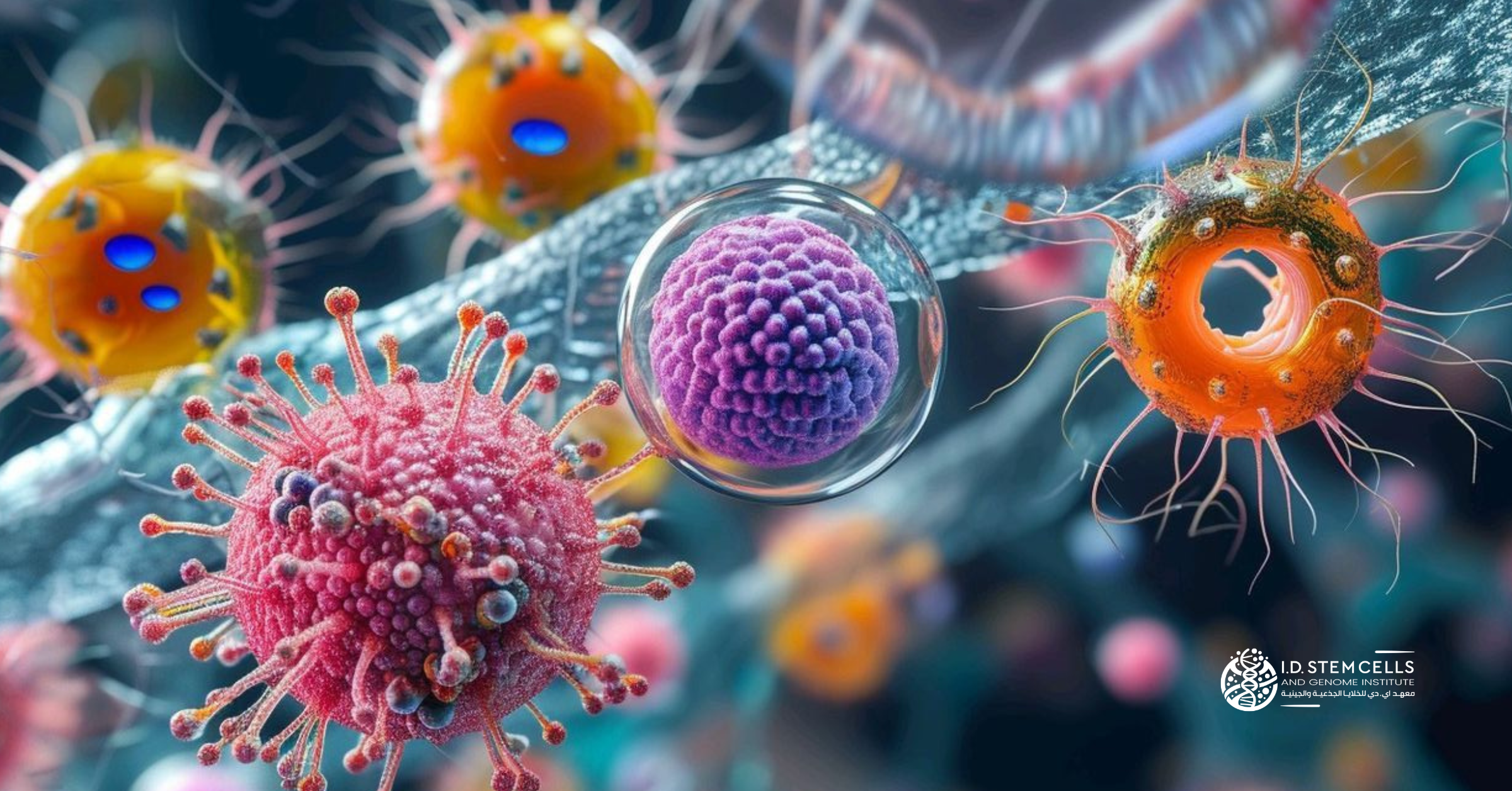
It was demonstrated that MSC application reduced the severity of myocarditis and decreased the number of proinflammatory monocytes expressing high or moderate levels of Ly6C. Furthermore, anti-inflammatory monocytes expressing low levels of Ly6C were increased in the blood, heart, and spleen of MSC-treated CVB3 mice. Chiuson et al. demonstrated that MSCs can promote M2 macrophage polarization through a prostaglandin E2-dependent mechanism and inhibit T cell proliferation.
The interaction between MSCs and macrophages promotes higher expression of CD206 and the anti-inflammatory cytokine IL-10 in macrophages, thereby inhibiting the inflammatory response in vitro. Macrophages cultured with MSCs have higher phagocytic activity.