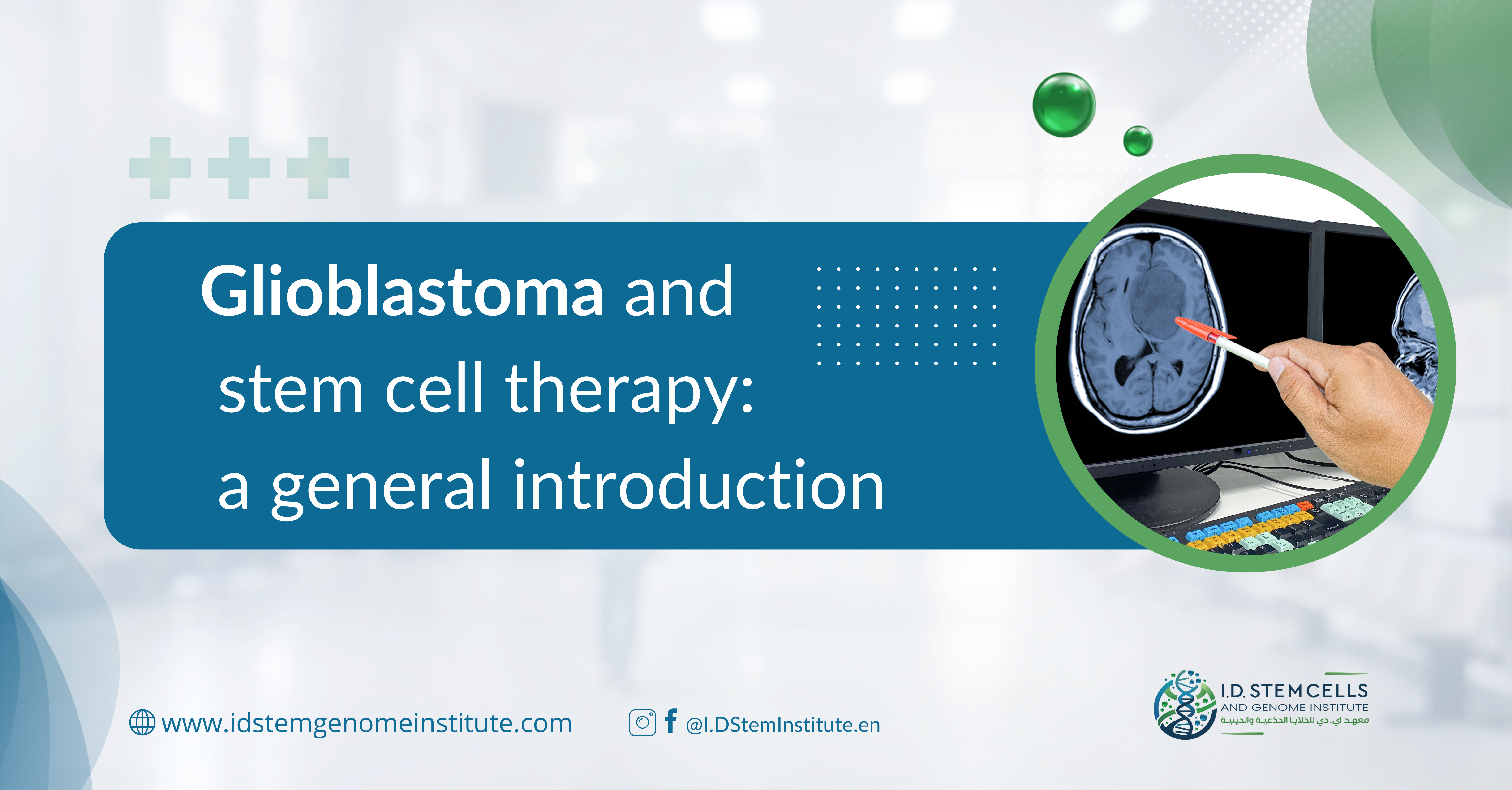
Glioblastoma is the most common and destructive primary brain tumor and standard of care treatment includes maximum surgical resection followed by radiotherapy and chemotherapy.
Despite stringent surgical and medical treatment, the average survival rate of patients is only 15 to 19 months due to near-extensive tumor recurrence.
Studies have emerged showing that glial stem cells (GSCs) represent a subset of cells within glioblastomas characterized by increased resistance to chemotherapy and radiotherapy, suggesting that GSCs are likely responsible for treatment failure and high recurrence rates in glioblastomas.


CSCs are a suitable target for the treatment of glioblastoma, and eliminating CSCs is crucial in the treatment of glioblastoma. The strategy of therapeutically targeting cancer stem cells mainly focuses on direct ablation of cancer stem cells by targeting cell surface markers and specific pathways required to maintain the stemness of cancer stem cells.
However, it has been increasingly recognized that another way to specifically target CSCs is to alter the ability of CSCs to interact with their microenvironment, including their dependence on angiogenesis and their immune evasion properties.