Medical Articles

General Introduction to Spinal Cord Injuries

General Introduction to Spinal Cord Injuries

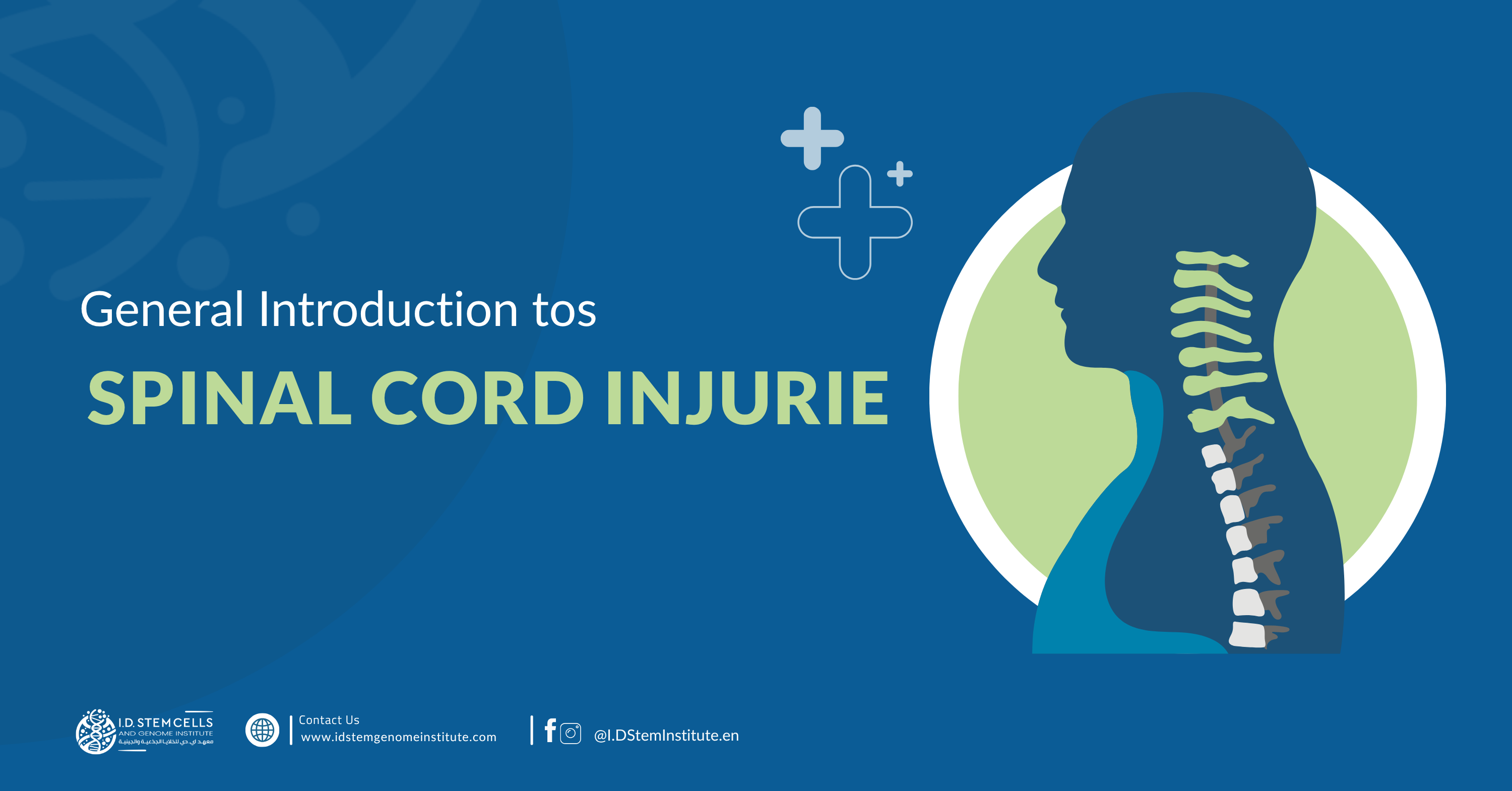
Spinal cord injury (SCI) is a severe traumatic injury affecting the central nervous system, significantly impacting health and quality of life. The most common type of spinal cord injury in humans is a spinal cord contusion, which typically results from traumatic events causing a dislocation or fracture of the spine.

Spinal cord injury accounts for a significant portion of the global injury burden, primarily caused by falls and road traffic accidents, with prevalence varying by geographic region. Traumatic spinal cord injuries result in cell death and axonal degeneration, leading to loss of sensory and motor function. The disease progresses through primary and secondary

Image

stages after the injury. Primary injury includes axonal damage, tissue necrosis, and death of neurons and glial cells resulting from stretching or tearing of the spinal cord. Secondary injury, initiated by molecular cascades and signaling pathways, leads to further axonal damage and cell membrane disintegration. The death of neurons and glial cells results in the production of free radicals and oxidative stress, both consequences of secondary damage. This secondary injury can also lead to myelin breakdown and demyelination. In response to this damage, astrocytes proliferate and replace injured neurons, forming a dense glial scar. This scar acts as a physical and chemical barrier, preventing axonal growth.

In addition, after a spinal cord puncture, neurons and glial cells gradually decrease and die. In addition to glial scarring, the inflammatory response impedes nerve healing. The role of inflammation in the spinal cord is a double-edged sword. While microglia and macrophages, the primary agents of the inflammatory response, help clear inflammatory components and dispose of waste, excessive accumulation of inflammatory cytokines and neurotoxins can negate these benefits and impede nerve repair.

For immediate consultation with experts from the I.D. Institute for Stem Cell and Gene Research

For immediate consultation with experts from the I.D. Institute for Stem Cell and Gene Research

Image

you may also like

Image

you may also like

Image
Image
Image
Image

I.D. Journal of Stem Cell Research and Advanced Therapeutics

A medical journal published by the I.D. Institute for Stem Cell and Genome Research

Image
Image
Image
Image
Image
Image
Image
Image
I.D. Journal of Stem Cell Research and Advanced Therapeutics

A medical journal published by the I.D. Institute for Stem Cell and Genome Research

Image
Image
Image
Image
Image

I.D. Educational Community

Join the I.D. Community, an interactive environment bringing together experts, alumni, and students. This community aims to:

  • Exchange Clinical Expertise: Discuss challenging medical cases to enhance treatment outcomes.

  • Discuss Cutting-edge Research: Explore contemporary debates such as Digital Twins, Gerontology, and AI in medicine.

  • Build Professional Networks: Connect with leaders in regenerative medicine and global health organizations.

Image
Image
Image

I.D. Educational Community

Join the I.D. Community, an interactive environment bringing together experts, alumni, and students. This community aims to:

  • Exchange Clinical Expertise: Discuss challenging medical cases to enhance treatment outcomes.

  • Discuss Cutting-edge Research: Explore contemporary debates such as Digital Twins, Gerontology, and AI in medicine.

  • Build Professional Networks: Connect with leaders in regenerative medicine and global health organizations.

Image
Image
Image
Image

© 2025 I.D. Holding, By prof. Dr. Islam Dababseh

© 2025 I.D. Holding, By prof. Dr. Islam Dababseh

Image

© 2025 I.D. Holding, By prof. Dr. Islam Dababseh

© 2025 I.D. Holding, By prof. Dr. Islam Dababseh

Image