Polycystic ovary syndrome (PCOS) is a common reproductive problem associated with endocrine and metabolic disorders. PCOS is characterized by anovulation, along with elevated androgen and luteinizing hormone (LH) levels, while follicle-stimulating hormone (FSH) remains normal or low.
PCOS patients experience menstrual irregularities, abnormal hair growth, acne, alopecia, increased libido, and a higher rate of miscarriage. Moreover, PCOS is associated with an increased risk of coronary artery disease, diabetes (type 2 and gestational), endometrial cancer, hyperlipidemia, and stroke.
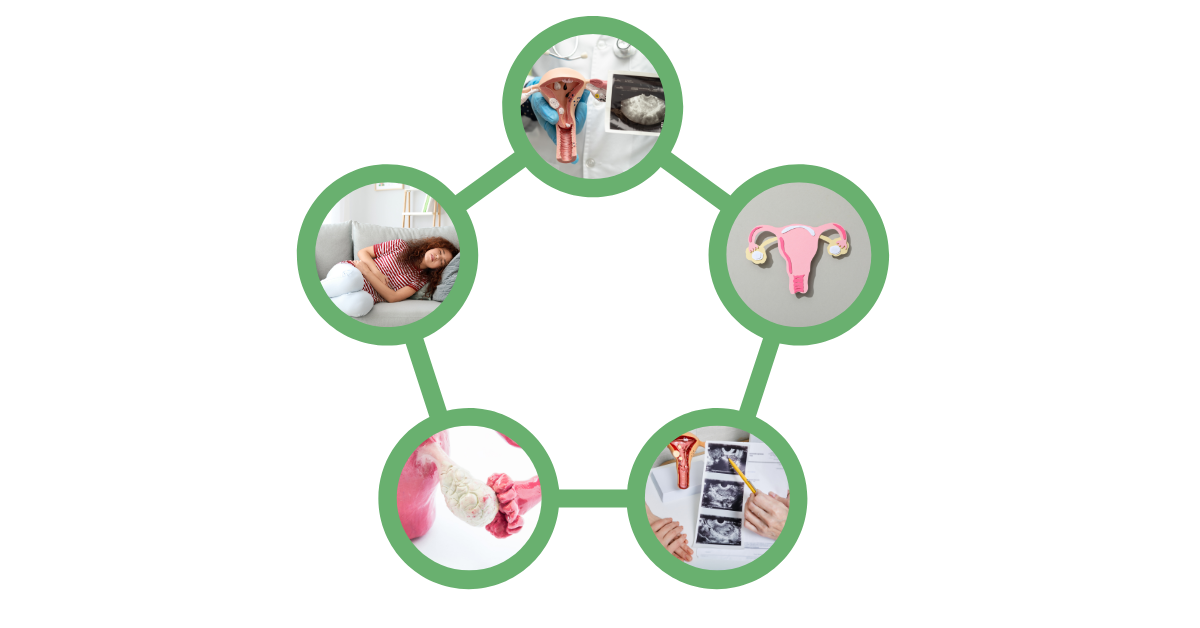
The exact cause of PCOS is unknown; however, it is suspected to be caused by a dysfunction of the hypothalamic-pituitary axis, abnormal ovarian steroidogenesis, and insulin resistance.
Obesity is considered a predisposing factor responsible for polycystic ovary syndrome (PCOS). Therefore, weight loss has been identified as an important treatment for PCOS patients. For hormonal disorders, oral contraceptives can be used to reduce serum androgen and luteinizing hormone levels, which can alleviate acne and promote regular menstrual cycles. Insulin sensitizers are used to overcome metabolic disorders that lead to low insulin levels. Recently, Shi et al. reported that pluripotent stem cells have the potential to improve the histopathology and function of ovaries affected by PCOS. Pluripotent stem cells significantly reduced the gene expression of pro-inflammatory factors associated with fibrosis, ultimately restoring ovarian function due to reduced inflammation.