Medical Articles

General Introduction to Myocardial Infarction

General Introduction to Myocardial Infarction

Cardiovascular diseases (CVDs) have become a major contributor to the global burden of disease due to their high morbidity and mortality rates. CVDs are caused by both infectious and non-infectious factors.

Infectious CVDs range from rheumatic heart disease to tuberculous pericarditis and HIV-related diseases, while non-infectious CVDs include hypertension, myocardial infarction (MI), stroke, and peripheral artery disease. Furthermore, CVDs caused by non-infectious factors, particularly ischemic CVDs such as myocardial infarction, are likely to increase in the coming decades.

Image
Image

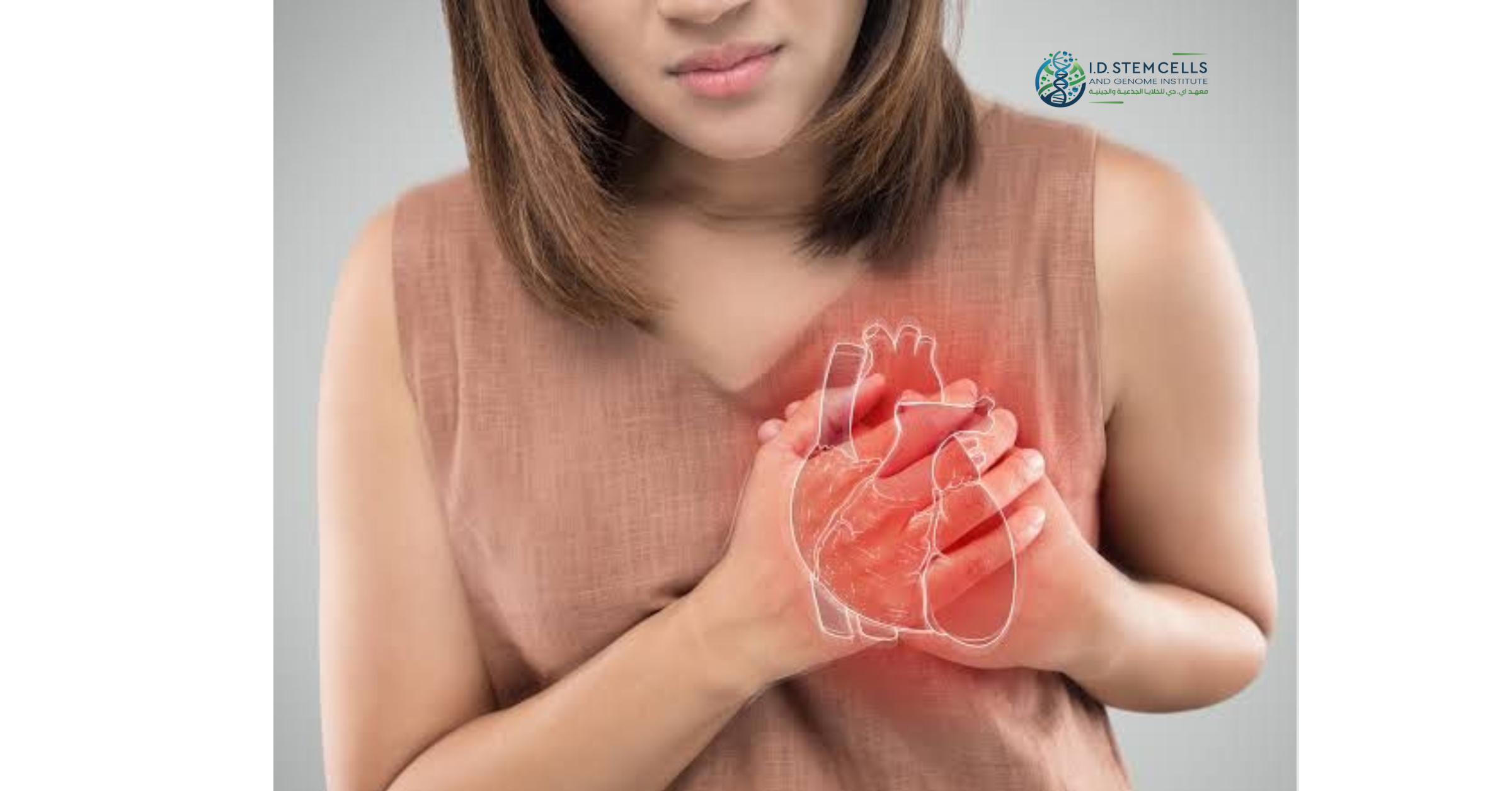
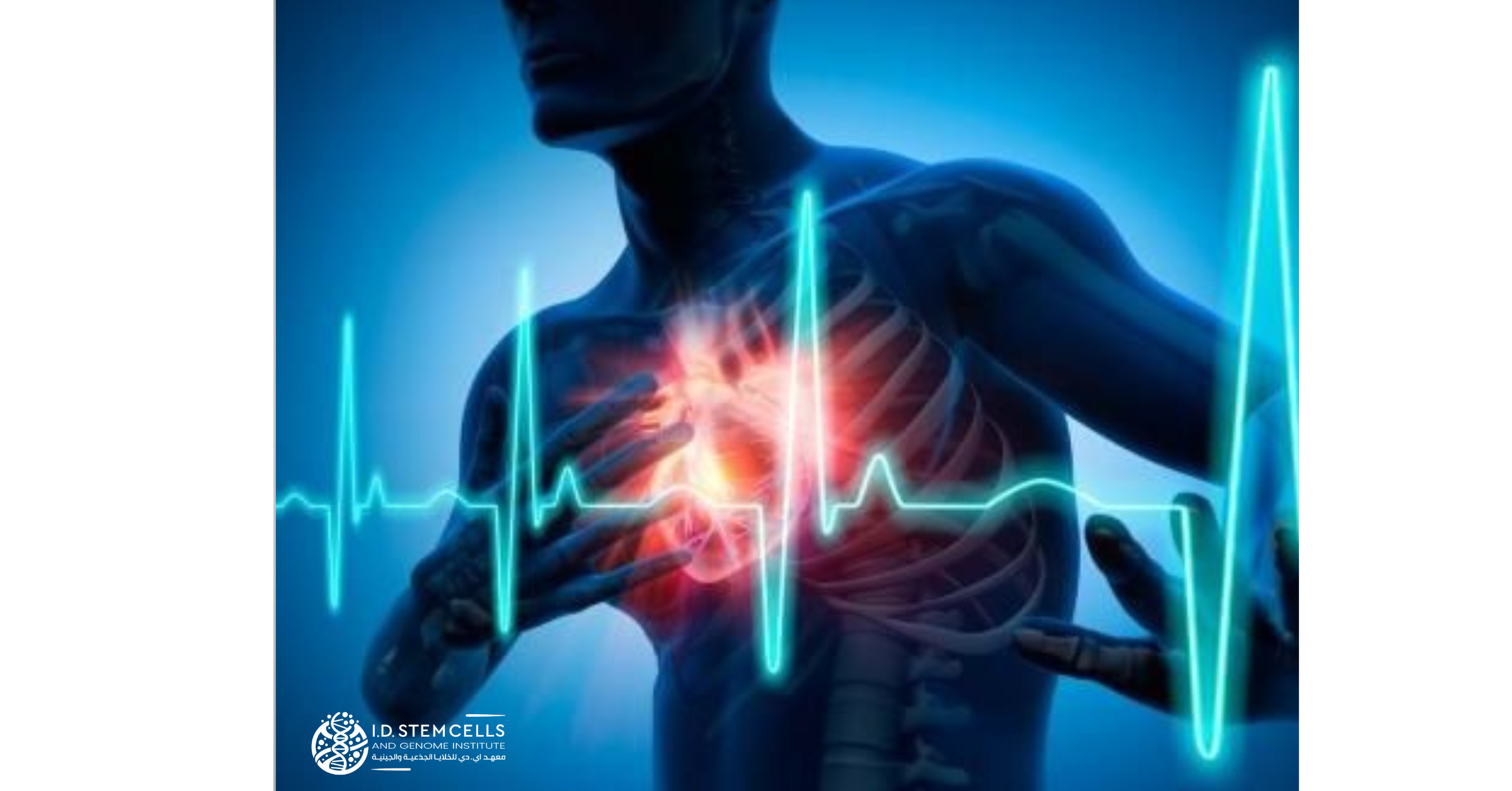
Myocardial infarction, a common type of CVD, occurs when heart muscle cells die and lose their function. Furthermore, myocardial fibrosis in the affected heart causes ventricular remodeling, leading to further heart failure. Despite scientific advances and advances in surgical techniques, drug and surgical treatments can only delay the progression of chronic heart disease but cannot rescue the function of infarcted cardiomyocytes. Myocardial infarction (MI) causes the migration of macrophages, monocytes, and neutrophils to the infarcted area, where they trigger an inflammatory response. Myocyte necrosis and subsequent overload trigger signaling processes that regulate cardiac repair, leading to the formation of fibrous scar tissue, ultimately leading to heart failure.

Because drugs and surgery can only relieve the symptoms of heart failure but cannot rescue dying heart cells, doctors have begun searching for a new way to treat heart failure after a MI. Heart transplantation remains the only treatment for heart failure patients, but donor organs are scarce, and the cost of the procedure limits its development. Inspiringly, the use of stem cells emerged as a promising treatment for heart disease a decade ago.

Image
Image

For immediate consultation with experts from the I.D. Institute for Stem Cell and Gene Research

For immediate consultation with experts from the I.D. Institute for Stem Cell and Gene Research

Image

you may also like

Image

you may also like

Image
Image
Image
Image

I.D. Journal of Stem Cell Research and Advanced Therapeutics

A medical journal published by the I.D. Institute for Stem Cell and Genome Research

Image
Image
Image
Image
Image
Image
Image
Image
I.D. Journal of Stem Cell Research and Advanced Therapeutics

A medical journal published by the I.D. Institute for Stem Cell and Genome Research

Image
Image
Image
Image
Image

I.D. Educational Community

Join the I.D. Community, an interactive environment bringing together experts, alumni, and students. This community aims to:

  • Exchange Clinical Expertise: Discuss challenging medical cases to enhance treatment outcomes.

  • Discuss Cutting-edge Research: Explore contemporary debates such as Digital Twins, Gerontology, and AI in medicine.

  • Build Professional Networks: Connect with leaders in regenerative medicine and global health organizations.

Image
Image
Image

I.D. Educational Community

Join the I.D. Community, an interactive environment bringing together experts, alumni, and students. This community aims to:

  • Exchange Clinical Expertise: Discuss challenging medical cases to enhance treatment outcomes.

  • Discuss Cutting-edge Research: Explore contemporary debates such as Digital Twins, Gerontology, and AI in medicine.

  • Build Professional Networks: Connect with leaders in regenerative medicine and global health organizations.

Image
Image
Image
Image

© 2025 I.D. Holding, By prof. Dr. Islam Dababseh

© 2025 I.D. Holding, By prof. Dr. Islam Dababseh

Image

© 2025 I.D. Holding, By prof. Dr. Islam Dababseh

© 2025 I.D. Holding, By prof. Dr. Islam Dababseh

Image