Stem cells are undifferentiated cells with the capacity to self-renew and differentiate into a wide range of cell types and are an integral part of the body's internal repair system. Stem cells can essentially divide indefinitely, replenish damaged cells, and produce highly differentiated descendants.
SCs can be derived from adults, fetuses, and umbilical cord blood sources. Multipotent stem cells are classified into embryonic stem cells and induced pluripotent stem cells (iPSCs), which are generated by incorporating programming factors into differentiated adult cells.
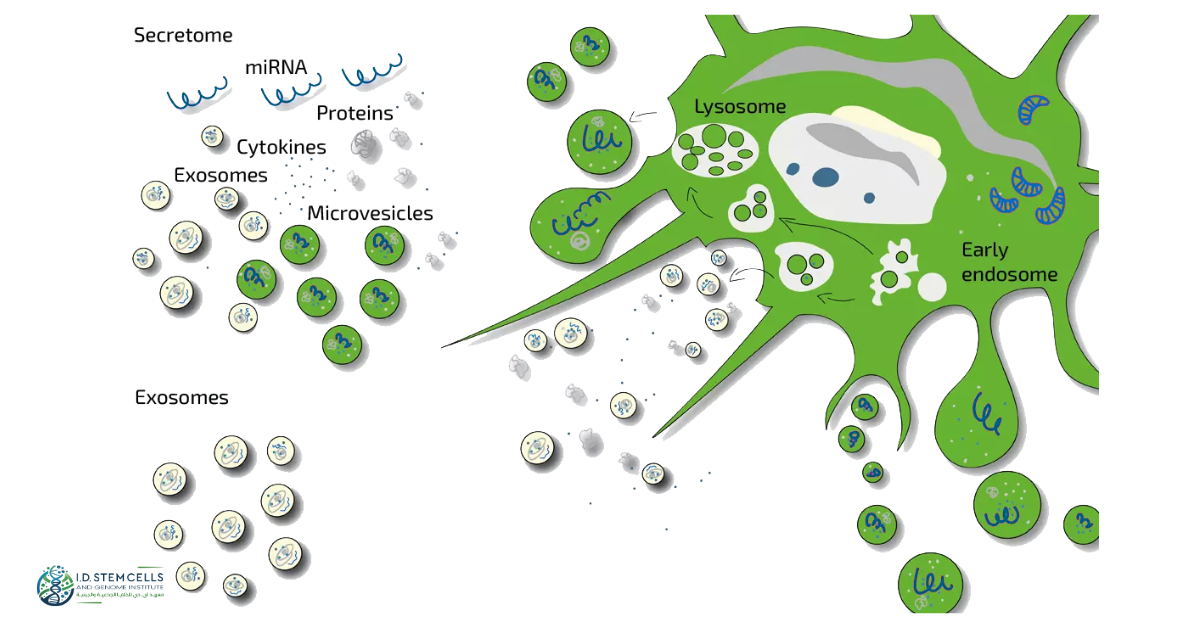
Furthermore, intermediate SC populations have been reported to be present in virtually all postnatal tissues and organs and are responsible for the growth, homeostasis, and repair of aged or damaged tissue.
Stem cells function by secreting factors that effectively regulate tissue regeneration, including growth factors and cytokines [20]. Recently, scientists have begun exploring the therapeutic potential of SCs to treat various causes of fertility restoration. Cell-based therapy is a method that can be used to produce offspring in infertile individuals. Furthermore,
isolating stem cells from the testes and endometrium has helped produce gametes in cases of treatment-induced infertility. In a mouse model, stem cell transplants have been found to be effective in restoring fertility.
Chemically induced infertility was induced in experimental animals, and after injection, the cells produced functional sperm.