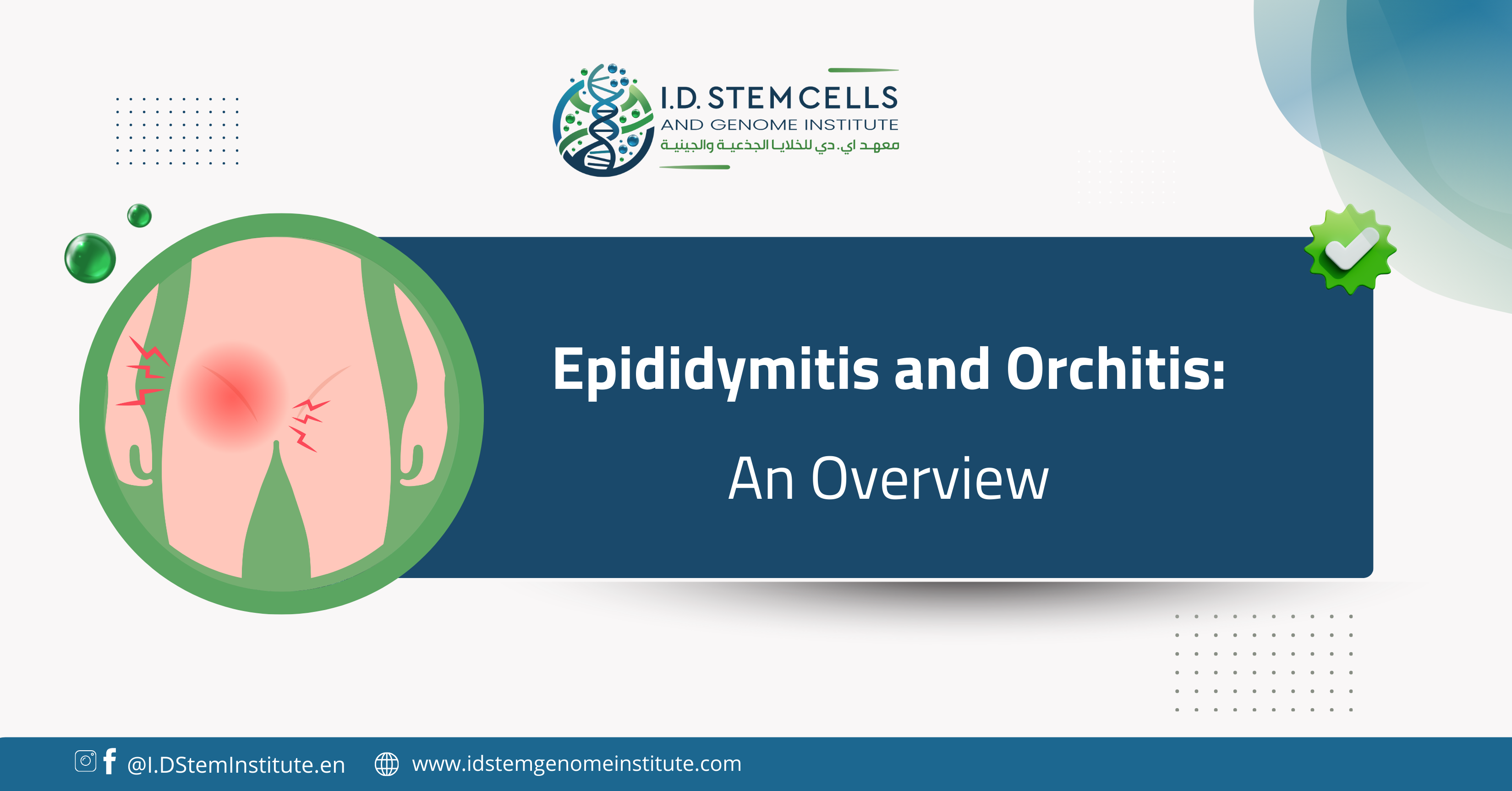
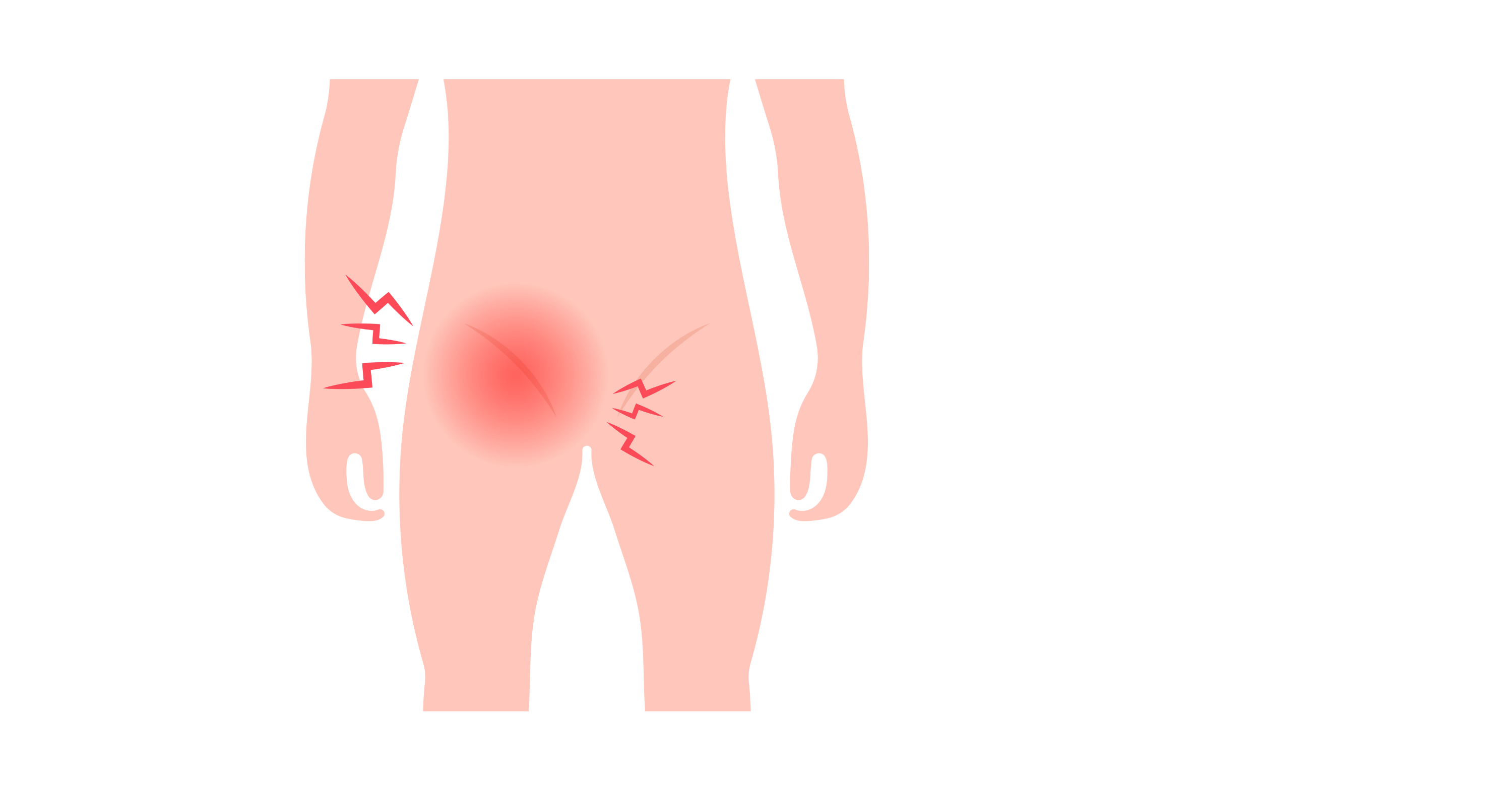
Epididymitis and orchitis, caused by infectious or non-infectious agents. Orchitis usually occurs as a result of epididymitis that spreads to the surrounding tissues. Inflammation of the male reproductive organ affects fertility by decreasing the numbers of germ cells and Sertoli cells.
Increased pressure within the testicle as a result of inflammation damages the germinal epithelium. Various risk factors may lead to epididymitis, such as surgery or use of instruments in the urinary tract, obstruction of the prostate, narrowing of the urethral valves, long hours of sitting, sexual activity, riding bicycles or motorcycles, or strenuous physical activity.
Based on the duration of symptoms, epididymitis and orchitis can be classified as acute, subacute, or chronic. The acute form lasts less than 6 weeks and is characterized by painful swelling. The chronic form lasts more than 3 months and is characterized by pain without swelling. Abscess, sepsis, and infertility are possible complications of epididymitis.
Treatment of epididymitis usually depends on the cause. Various antibiotics, including ceftriaxone, doxycycline, azithromycin, and ofloxacin, have been reported to be effective against infectious agents.
In addition, the use of analgesics, elevation of the scrotum, reduction of physical activity, and cold therapy reduce inflammation. In orchitis, supportive therapy along with hot or cold compresses and bed rest are recommended.
Antibiotics should also be avoided during viral orchitis. Studies have reported that INF-α can be used to prevent testicular atrophy and infertility in cases of bilateral mumps-induced orchitis.
Recently, neonatal testicular cell transplantation with antiviral drugs has been found to be effective in restoring testicular tissue in mice with herpes virus-induced orchitis.