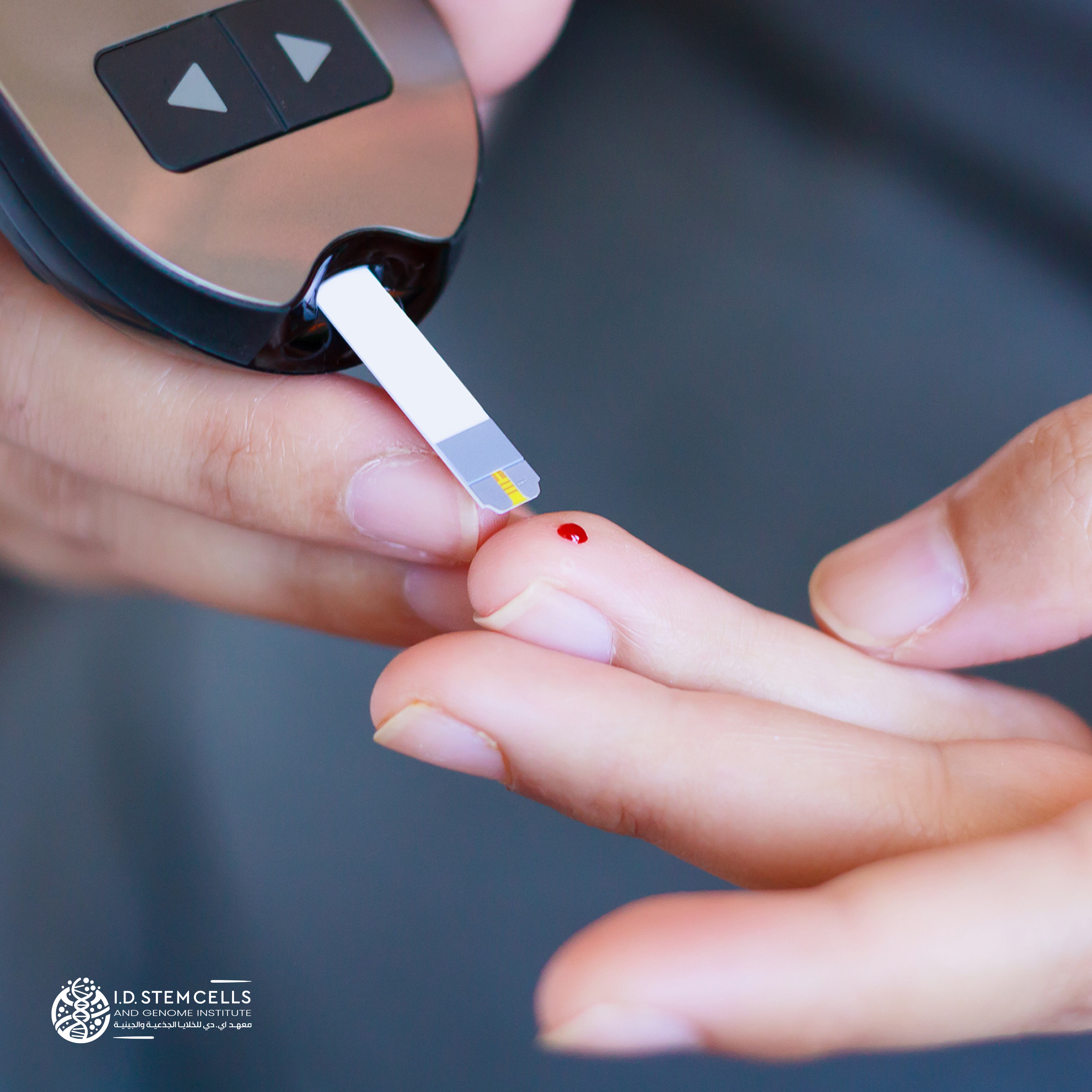
Diabetes is a chronic metabolic disorder characterized by high blood glucose levels, resulting from a deficiency in insulin secretion or a poor response to it. This disease significantly impacts quality of life and can lead to serious complications if not properly controlled, such as diabetic retinopathy and diabetic foot syndrome. Recent research is focusing on the use of stem cells as a promising therapeutic approach for diabetes and its complications, with the goal of restoring the function of insulin-producing pancreatic beta cells or modifying the immune response.
Studies show that replacing missing or damaged beta cells can treat diabetes. The success of pancreatic islet transplantation has led to increased interest in stem cell therapy as a potential alternative. The main types of stem cells used to treat diabetes include embryonic stem cells (ESCs), adult stem cells, induced pluripotent stem cells (iPSCs), and mesenchymal stem cells (MSCs).
Types of Stem Cells and Their Applications in Diabetes Treatment:
- Embryonic stem cells (ESCs) and induced pluripotent stem cells (iPSCs): These cells are characterized by their ability to differentiate into any cell type, including insulin-producing beta cells. Research is demonstrating significant progress in directing the differentiation of these cells into insulin-producing pancreatic cells in the laboratory.
Types of Stem Cells and Their Applications in Diabetes Treatment:
- Embryonic stem cells (ESCs) and induced pluripotent stem cells (iPSCs): These cells are characterized by their ability to differentiate into any cell type, including insulin-producing beta cells. Research is demonstrating significant progress in directing the differentiation of these cells into insulin-producing pancreatic cells in the laboratory.
A successful clinical trial in humans has been reported for the first time, in which a patient with type 1 diabetes no longer required exogenous insulin approximately 2.5 months after transplanting islets derived from chemically stimulated pluripotent stem cells. However, challenges remain regarding the safety of these cells, including the risk of tumorigenesis, immune rejection, and the need for efficient differentiation protocols to produce functional beta cells.
Mesenchymal stem cells (MSCs): Mesenchymal stem cells, including adipose-derived stem cells (ADMSCs) and human umbilical cord-derived stem cells (hUC-MSCs), are among the most promising stem cell types for the treatment of diabetes and its complications. These cells possess multiple properties, including multidirectional differentiation, self-renewal capacity, immunoregulatory effects, and tissue and vascular regeneration capabilities. MSCs have been shown to improve the pancreatic environment and increase insulin secretion.
Effects of Mesenchymal Stem Cells:
- Immunomodulation: Mesenchymal stem cells play an important role in modulating the immune response, reducing inflammation and protecting beta cells.
- Cellular and Tissue Regeneration: They can contribute to the formation of new blood vessels, improve tissue regeneration, and help repair diabetic complications such as diabetic nephropathy, diabetic neuropathy, diabetic cardiomyopathy, and erectile dysfunction. For example, stem cells derived from human umbilical cords show improvement in myocardial fibrosis and restoration of miRNA-133a expression in diabetic cardiomyopathy.
- Secretion of trophic factors: Mesenchymal stem cells secrete trophic factors, cytokines, and microvesicles (exosomes) that can stimulate residual pancreatic cells to regenerate, reduce cell death, and improve beta cell function. Research suggests that mesenchymal stem cell-derived exosomes may have therapeutic effects in diabetic peripheral neuropathy.
Effects of Mesenchymal Stem Cells:
- Immunomodulation: Mesenchymal stem cells play an important role in modulating the immune response, reducing inflammation and protecting beta cells.
- Cellular and Tissue Regeneration: They can contribute to the formation of new blood vessels, improve tissue regeneration, and help repair diabetic complications such as diabetic nephropathy, diabetic neuropathy, diabetic cardiomyopathy, and erectile dysfunction. For example, stem cells derived from human umbilical cords show improvement in myocardial fibrosis and restoration of miRNA-133a expression in diabetic cardiomyopathy.
- Secretion of trophic factors: Mesenchymal stem cells secrete trophic factors, cytokines, and microvesicles (exosomes) that can stimulate residual pancreatic cells to regenerate, reduce cell death, and improve beta cell function. Research suggests that mesenchymal stem cell-derived exosomes may have therapeutic effects in diabetic peripheral neuropathy.
Challenges and Future Prospects:
Despite significant progress, there are still major challenges that must be overcome before stem cell therapy becomes widely available. These challenges include:
Differentiation Efficiency: The need for more efficient and reliable differentiation protocols to produce large numbers of functional beta cells.
Challenges and Future Prospects:
Despite significant progress, there are still major challenges that must be overcome before stem cell therapy becomes widely available. These challenges include:
Differentiation Efficiency: The need for more efficient and reliable differentiation protocols to produce large numbers of functional beta cells.
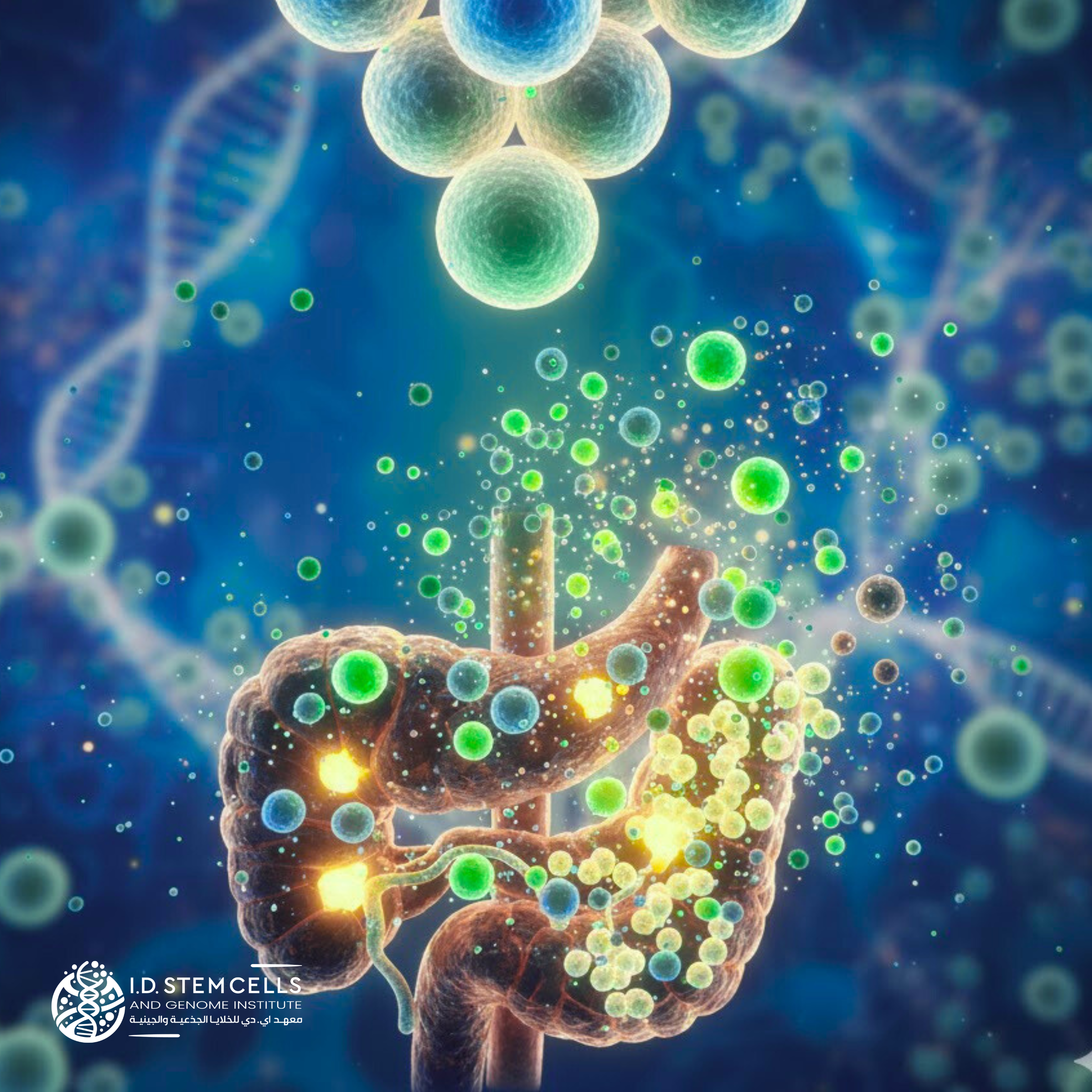
- Immune Rejection: Immune rejection of transplanted cells is a significant barrier, especially when using embryonic or induced pluripotent stem cells. Strategies such as microencapsulation of cells or the use of immunocompetent stem cells are being studied to overcome this problem.
- Long-Term Safety: Concerns regarding the long-term safety of transplanted cells, including the risk of tumorigenesis.
- Scalability: The need to develop methods to produce stem cells and their derivatives in quantities sufficient to meet clinical demand.
Stem cells represent a promising approach for treating diabetes and its complications, with a focus on restoring pancreatic beta cell function and modifying the immune environment. Despite the challenges, continued progress in this field holds great promise for developing effective and durable treatments for patients.