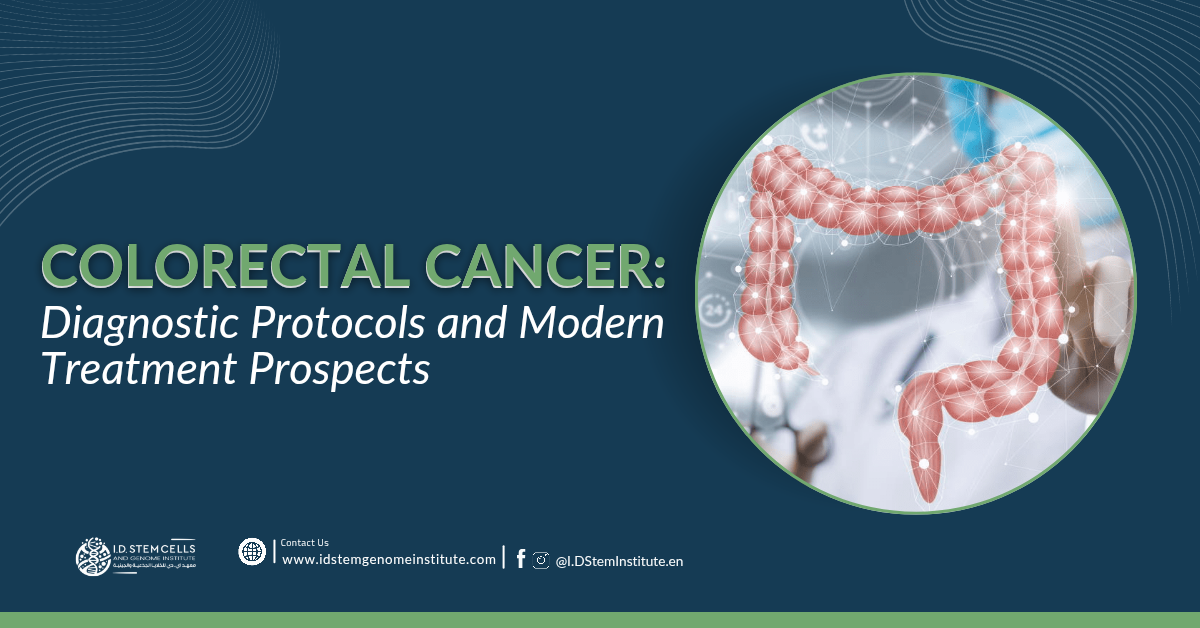
Colorectal cancer is defined as a malignant cell growth originating in the lining of the colon or rectum. Statistically, this disease accounts for 10% of the global cancer burden, ranking third in incidence and second as a leading cause of cancer-related deaths. Data indicate that incidence rates increase proportionally with age, with the majority of cases occurring in individuals over 50 years of age.
Genetic and environmental factors interact in the development of tumorigenic transformation. Risk factors are classified as follows:
Lifestyle factors: High consumption of processed meats, low dietary fiber intake, obesity, and physical inactivity.
Biological and genetic factors: Family history of the disease, presence of inherited genetic syndromes such as Lynch syndrome and FAP, or a history of chronic inflammatory bowel disease.
Clinical Manifestations and Diagnosis
Early stages of the disease are asymptomatic, necessitating reliance on periodic screening protocols. As the disease progresses, the following clinical signs appear:
Disruption of bowel functions (changes in stool consistency and frequency).
Rectal bleeding (visible or occult blood in the stool).
Iron deficiency anemia due to chronic bleeding.
Diagnosis: Initially, the fecal occult blood test (FOBT) is performed, followed by colonoscopy as the gold standard for confirming the diagnosis via biopsy.
Clinical Manifestations and Diagnosis
Early stages of the disease are asymptomatic, necessitating reliance on periodic screening protocols. As the disease progresses, the following clinical signs appear:
Disruption of bowel functions (changes in stool consistency and frequency).
Rectal bleeding (visible or occult blood in the stool).
Iron deficiency anemia due to chronic bleeding.
Diagnosis: Initially, the fecal occult blood test (FOBT) is performed, followed by colonoscopy as the gold standard for confirming the diagnosis via biopsy.
Preventive Strategies and Treatment Approaches: Integration of Clinical Practice
The comprehensive scientific management of colorectal cancer relies on integrating primary prevention with advanced therapeutic interventions within a single systematic framework. It begins by reducing risk factors
Preventive Strategies and Treatment Approaches: Integration of Clinical Practice
The comprehensive scientific management of colorectal cancer relies on integrating primary prevention with advanced therapeutic interventions within a single systematic framework. It begins by reducing risk factors through dietary modifications (increasing fiber and reducing processed meats) and combating obesity and tobacco use. This is followed by secondary prevention through early detection programs such as fecal occult blood testing and colonoscopy, procedures that allow for the proactive removal of polyps before they become cancerous. If tumors are confirmed, treatment protocols are activated, starting with radical surgery to remove the tumor and surrounding lymph nodes. This is supported by chemotherapy and radiation therapy (adjuvant or initiation) to shrink the tumor and prevent recurrence. In advanced cases, targeted and immunotherapies are used to precisely target genetic mutations. Therefore, the close link between preventative awareness, rapid diagnosis, and a tailored treatment protocol is crucial for increasing cure rates and reducing global mortality rates.
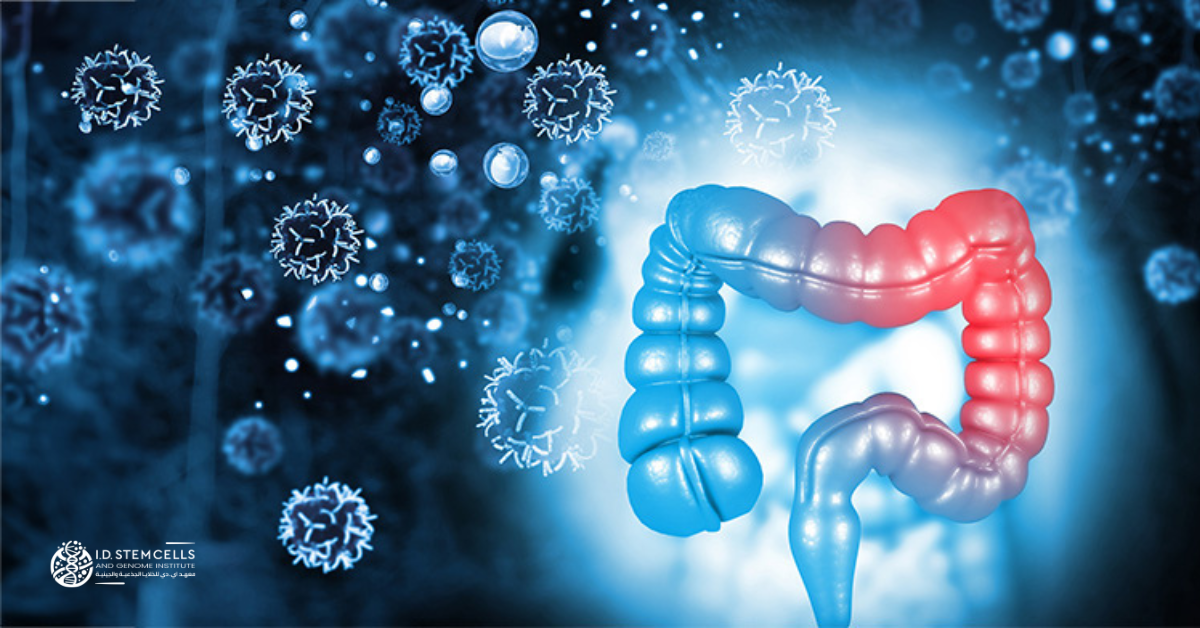
through dietary modifications (increasing fiber and reducing processed meats) and combating obesity and tobacco use. This is followed by secondary prevention through early detection programs such as fecal occult blood testing and colonoscopy, procedures that allow for the proactive removal of polyps before they become cancerous. If tumors are confirmed, treatment protocols are activated, starting with radical surgery to remove the tumor and surrounding lymph nodes. This is supported by chemotherapy and radiation therapy (adjuvant or initiation) to shrink the tumor and prevent recurrence. In advanced cases, targeted and immunotherapies are used to precisely target genetic mutations. Therefore, the close link between preventative awareness, rapid diagnosis, and a tailored treatment protocol is crucial for increasing cure rates and reducing global mortality rates.
At the I.D. Stem Cells and Genome Institute, we keep abreast of the latest scientific developments in the field of stem cell and gene therapy and regenerative medicine. If you are interested in learning more about the potential benefits of these treatments and the latest research findings, please feel free to contact us.