Every cell stems from another cell. With these words, Rudolf Virchow, the German pathologist, gave the foundation of cellular pathology.
He had already hypothesized that the disease was due to changes occurring in normal cells and that the tumor arises from immature cells.
However, Sagiro Makino coined the term cancer stem cells by identifying a subset of cells that were resistant to chemotherapy and had different genetic characteristics from the bulk.
Two main hypotheses have been proposed to explain how cancer stem cells arise within tissues: the random model and the hierarchical model.
The stochastic model supports the hypothesis that any cell exposed to a specific set of somatic mutations can lead to the acquisition of self-renewal and differentiation properties that can contribute to tumor heterogeneity.
On the other hand, the hierarchical model proposes that somatic mutations specifically target stem and progenitor cells that are hierarchically organized, leading to the generation of self-renewing cancer stem and progenitor cells that produce differentiated lineages and re-establish heterogeneous tumors.
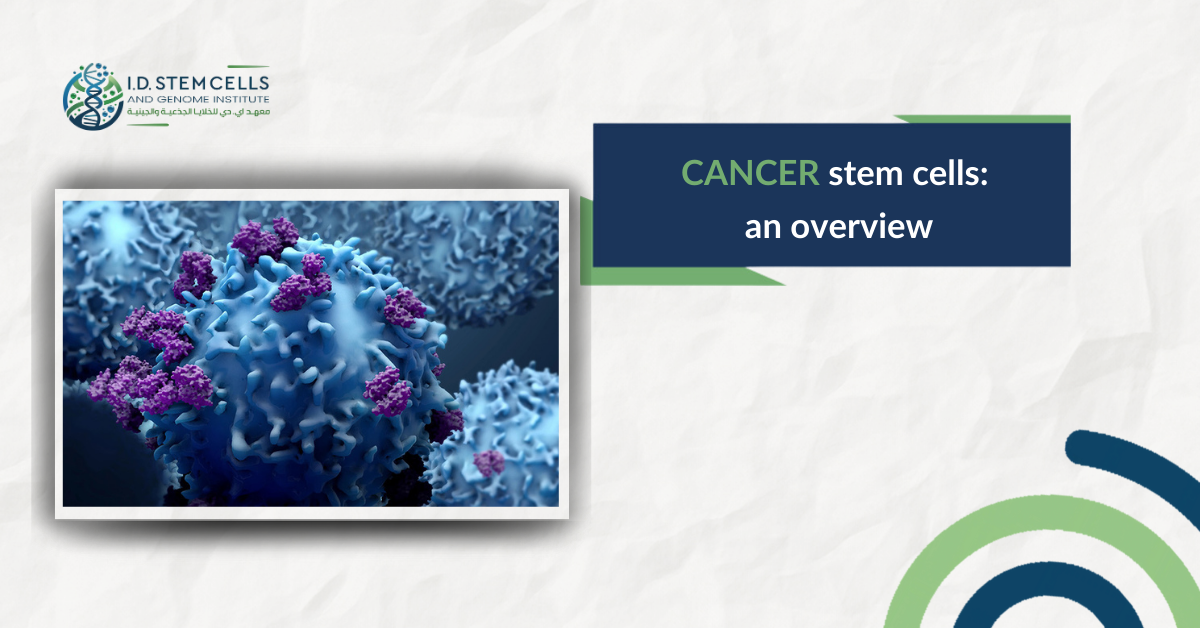
Briefly, cancer stem cells are populations of cancer cells that have the stem cell properties of self-renewal and the ability to generate differentiated lineages.