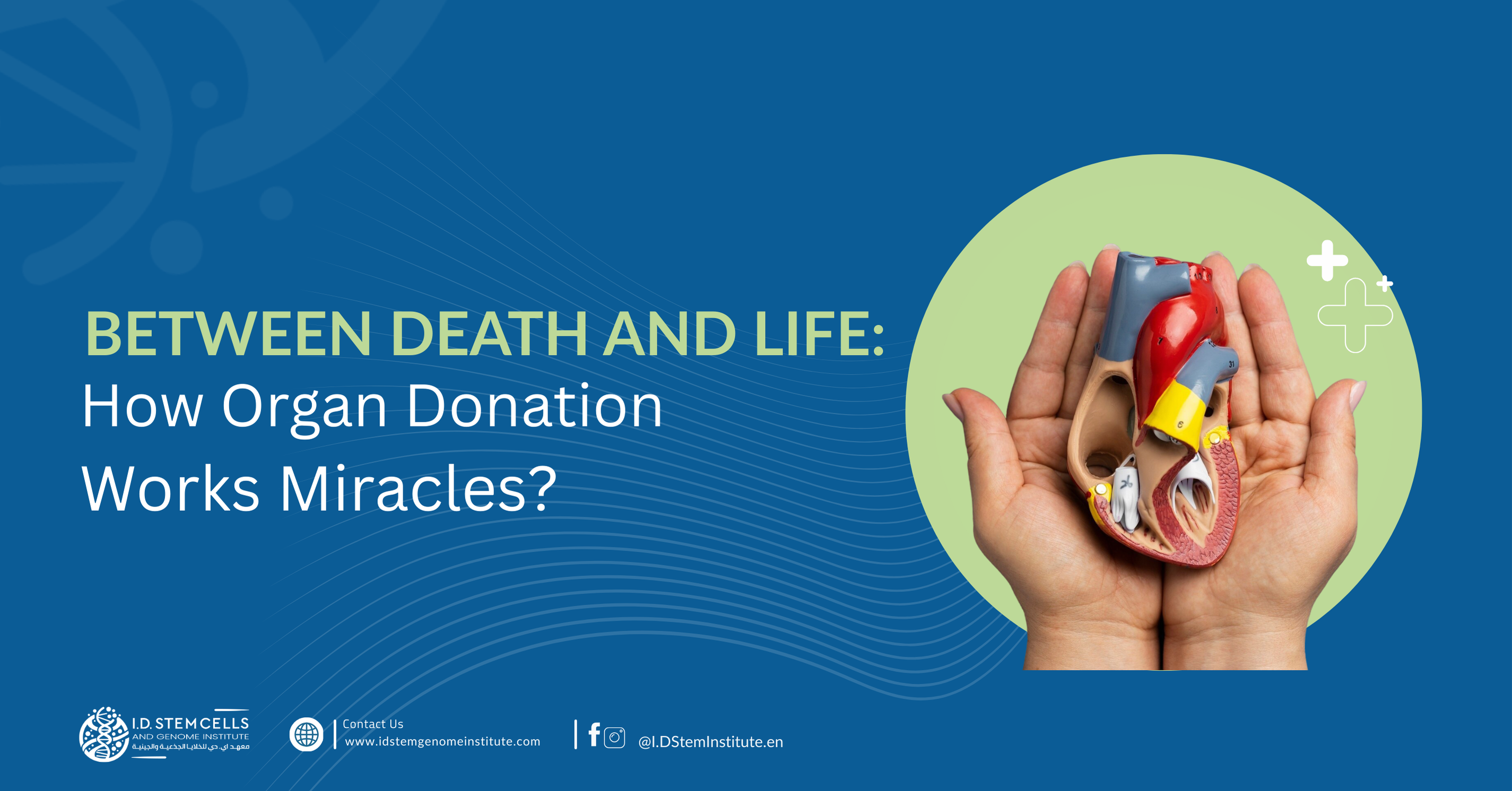
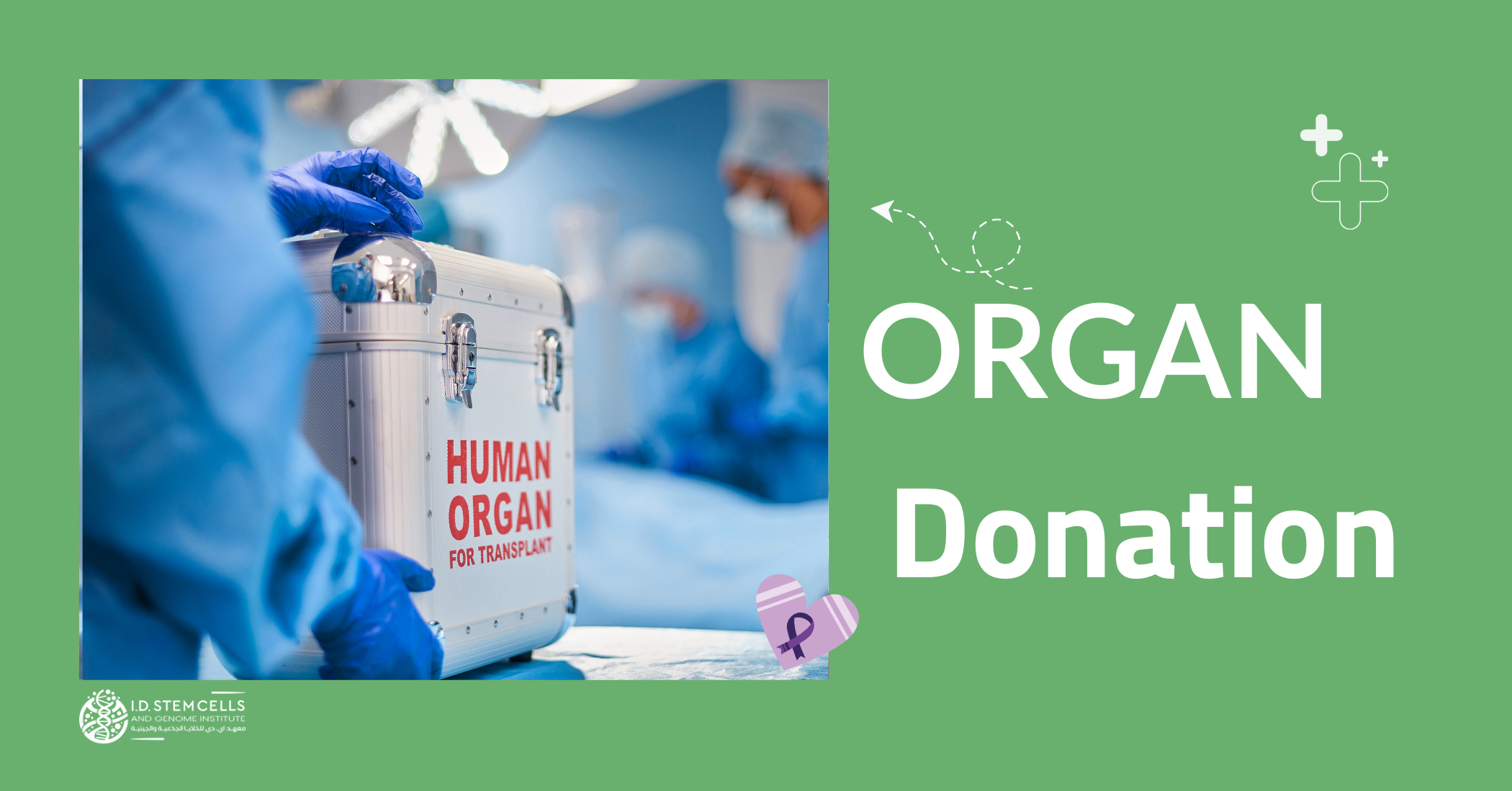
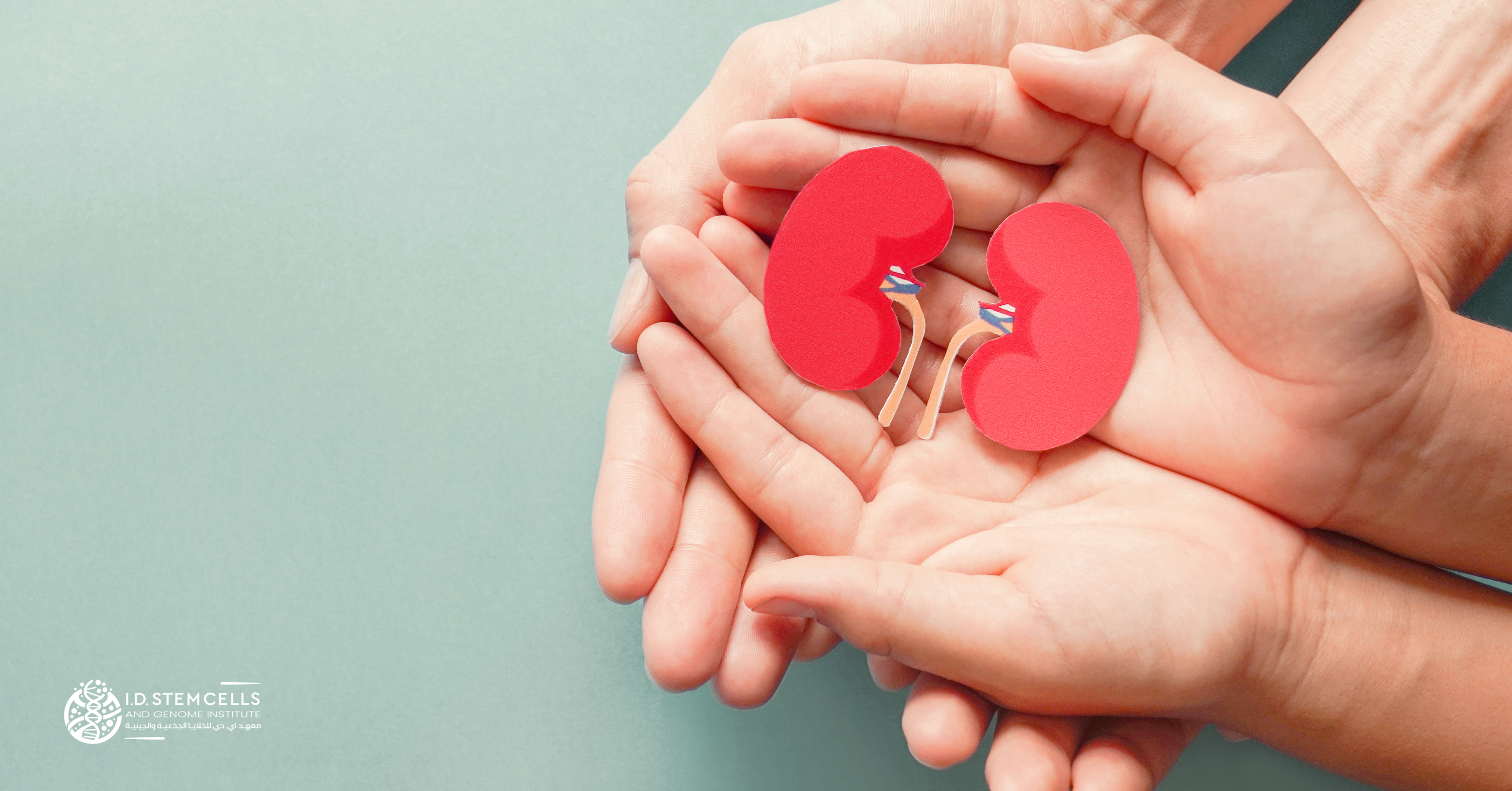
Organ donation is the process of removing an organ or tissue from a healthy person's body and transplanting it into the body of a sick person who needs it. Organ donation is considered a "gift of life" because it can save another person's life and improve their quality of life. Despite significant advances in organ transplantation, there is still a chronic shortage of available organs for donation, resulting in the death of many patients on waiting lists.
Types of Organ Donation
Organ donation can be divided into two main types: postmortem organ donation and living organ donation.
- Postmortem organ donation: Organs are taken from people diagnosed with brain death or cardiac death. The heart, lungs, liver, kidneys, pancreas, intestines, and tissues such as the cornea, skin, and bones can be donated.
- Living Organ Donation: A living person can donate a kidney, part of the liver, part of a lung, or part of the pancreas. The donor must be in good health and compatible with the recipient.
Types of Organ Donation
Organ donation can be divided into two main types: postmortem organ donation and living organ donation.
- Postmortem organ donation: Organs are taken from people diagnosed with brain death or cardiac death. The heart, lungs, liver, kidneys, pancreas, intestines, and tissues such as the cornea, skin, and bones can be donated.
- Living Organ Donation: A living person can donate a kidney, part of the liver, part of a lung, or part of the pancreas. The donor must be in good health and compatible with the recipient.
Ethical and Religious Considerations
Organ donation raises many ethical and religious issues. Most major religions permit organ donation and consider it a noble act. However, there may be some concerns about the sanctity of the body after death. It is important to respect the religious and cultural beliefs of individuals and their families when making decisions about organ donation.
Ethical and Religious Considerations
Organ donation raises many ethical and religious issues. Most major religions permit organ donation and consider it a noble act. However, there may be some concerns about the sanctity of the body after death. It is important to respect the religious and cultural beliefs of individuals and their families when making decisions about organ donation.
Challenges Facing Organ Donation
Despite the numerous benefits of organ donation, there are still several challenges facing this field. These include:
- Lack of available organs: There are very few organs available compared to the number of patients in need.
- Immunological rejection: The recipient's body may reject the transplanted organ.
- Religious and cultural beliefs: Some religious and cultural beliefs may prevent individuals from donating their organs.
- Public awareness: There is a lack of public awareness about organ donation and its benefits.
- Organ retention: Research indicates that preserving organs after death is a significant problem, as it takes a long time to preserve them and may delay the transplant process.
Challenges Facing Organ Donation
Despite the numerous benefits of organ donation, there are still several challenges facing this field. These include:
- Lack of available organs: There are very few organs available compared to the number of patients in need.
- Immunological rejection: The recipient's body may reject the transplanted organ.
- Religious and cultural beliefs: Some religious and cultural beliefs may prevent individuals from donating their organs.
- Public awareness: There is a lack of public awareness about organ donation and its benefits.
- Organ retention: Research indicates that preserving organs after death is a significant problem, as it takes a long time to preserve them and may delay the transplant process.
How to Promote Organ Donation
There are several ways to promote organ donation, including:
- Raising public awareness: Educating the public about organ donation and its benefits.
- Encouraging registration in organ donor registries: Facilitating the process of registering as an organ donor.
- Respecting religious and cultural beliefs: Respecting the religious and cultural beliefs of individuals and their families.
- Improving organ transplant infrastructure: Improving the efficiency and effectiveness of organ transplantation systems.
- Overcoming family hesitancy: It is essential to address families' reluctance to consent to organ donation.
- Developing new technologies: Developing new technologies to improve organ preservation and reduce the risk of rejection.
How to Promote Organ Donation
There are several ways to promote organ donation, including:
- Raising public awareness: Educating the public about organ donation and its benefits.
- Encouraging registration in organ donor registries: Facilitating the process of registering as an organ donor.
- Respecting religious and cultural beliefs: Respecting the religious and cultural beliefs of individuals and their families.
- Improving organ transplant infrastructure: Improving the efficiency and effectiveness of organ transplantation systems.
- Overcoming family hesitancy: It is essential to address families' reluctance to consent to organ donation.
- Developing new technologies: Developing new technologies to improve organ preservation and reduce the risk of rejection.
Every donated organ is a message of life and an opportunity to prove that humanity can triumph even in moments of farewell. Let us work together to expand the circle of hope, because every donation is not just a surgical operation; it is the revival of a heart that beats again, or an eye that sees light again.