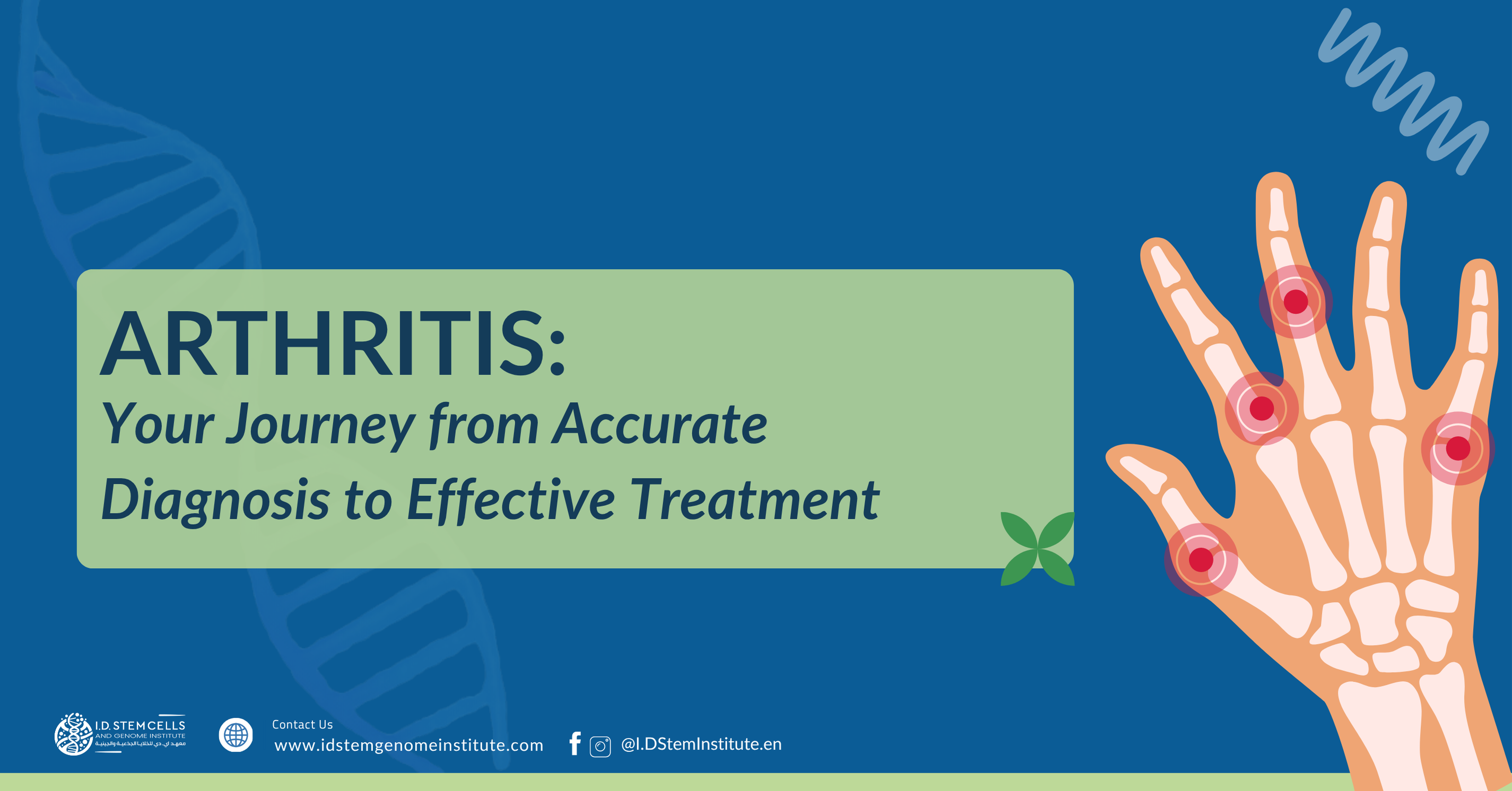
Arthritis is a complex group of disorders characterized by joint inflammation and poses a significant global health burden. It can affect millions of individuals worldwide, leading to impaired mobility and a decreased quality of life. Arthritis includes more than 100 types, the most common of which are rheumatoid arthritis (RA), osteoarthritis (OA), psoriatic arthritis (PsA), and inflammatory arthritis.
Main Types of Arthritis
- Rheumatoid arthritis (RA): A chronic systemic autoimmune disease characterized by chronic erosive arthritis. It may be caused by infection, genetics, environmental factors, and other factors. It is characterized by the production of anti-citrullinated protein antibodies (ACPA),
Main Types of Arthritis
- Rheumatoid arthritis (RA): A chronic systemic autoimmune disease characterized by chronic erosive arthritis. It may be caused by infection, genetics, environmental factors, and other factors. It is characterized by the production of anti-citrullinated protein antibodies (ACPA), leading to inflammation and destruction of the synovial membrane. It typically affects small and medium-sized joints symmetrically, leading to structural deterioration, stiffness, and muscle spasms. It can also affect various organs and systems throughout the body, leading to symptoms such as fatigue, fever, and weight loss. Women are more susceptible to rheumatoid arthritis, with 1-3% of women developing it in their lifetime. The disease often begins between the ages of 30 and 50.
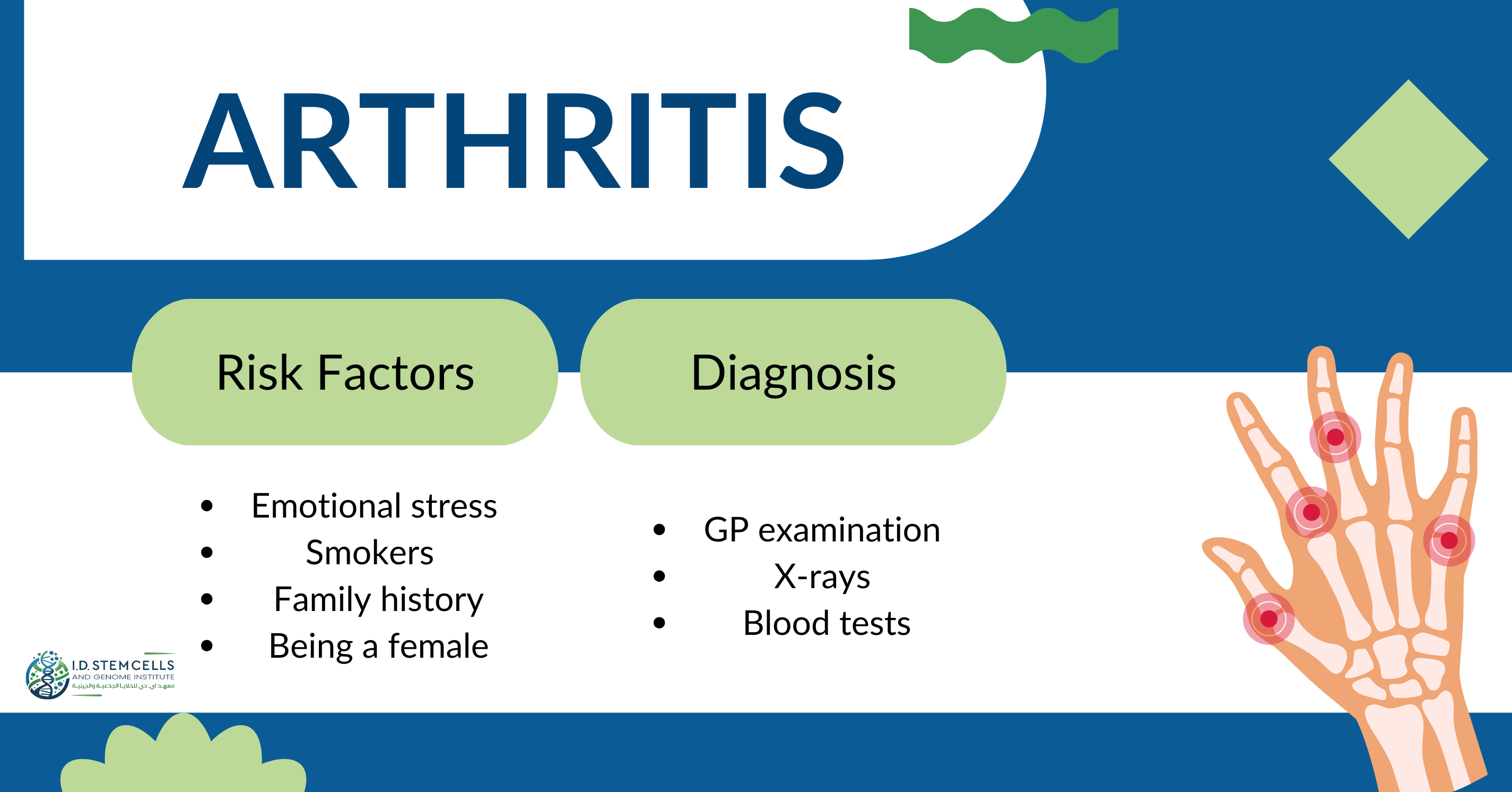
- leading to inflammation and destruction of the synovial membrane. It typically affects small and medium-sized joints symmetrically, leading to structural deterioration, stiffness, and muscle spasms. It can also affect various organs and systems throughout the body, leading to symptoms such as fatigue, fever, and weight loss. Women are more susceptible to rheumatoid arthritis, with 1-3% of women developing it in their lifetime. The disease often begins between the ages of 30 and 50.
- Osteoarthritis (OA): The most common type of arthritis, it is characterized by the erosion of articular cartilage and joint deterioration. Advanced osteoarthritis is associated with an increased number of mesenchymal stem cells (MSCs) in vivo, but their function is impaired in areas of bone edema identified by MRI, suggesting a direct involvement of MSCs in osteoarthritis pathology in vivo.
- Psoriatic arthritis (PsA): A chronic inflammatory arthritis affecting the joints and skin, it occurs in approximately 14% of psoriasis patients.
- Reactive arthritis: A form of seronegative spondyloarthritis that occurs after a genitourinary or gastrointestinal infection and is characterized by asymmetric oligoarthritis.
Diagnosing Arthritis
The diagnosis of arthritis depends on several factors, including clinical examination and imaging. In the case of rheumatoid arthritis, the diagnosis is based on four classification criteria: joint involvement, serological test results (rheumatoid factor and anti-cyclic citrullinated peptide), acute phase protein levels, and duration of symptoms.
Ultrasound has proven effective in evaluating and managing various types of arthritis, such as osteoarthritis, rheumatoid arthritis, gout, psoriatic arthritis, septic arthritis, and spondyloarthritis.
Diagnosing Arthritis
The diagnosis of arthritis depends on several factors, including clinical examination and imaging. In the case of rheumatoid arthritis, the diagnosis is based on four classification criteria: joint involvement, serological test results (rheumatoid factor and anti-cyclic citrullinated peptide), acute phase protein levels, and duration of symptoms.
Ultrasound has proven effective in evaluating and managing various types of arthritis, such as osteoarthritis, rheumatoid arthritis, gout, psoriatic arthritis, septic arthritis, and spondyloarthritis.
Treatment of Arthritis
There is currently no cure for arthritis. Treatment strategies depend on the type and severity of arthritis. Anti-inflammatory medications are commonly used to treat arthritis, but they can be associated with significant side effects. Medical advances in diagnosis and treatment have led to significant improvements in the clinical condition of rheumatoid arthritis patients in recent years.
Treatment of Arthritis
There is currently no cure for arthritis. Treatment strategies depend on the type and severity of arthritis. Anti-inflammatory medications are commonly used to treat arthritis, but they can be associated with significant side effects. Medical advances in diagnosis and treatment have led to significant improvements in the clinical condition of rheumatoid arthritis patients in recent years.


Modern treatments for pain in inflammatory arthritis include non-drug options such as physical therapy. Exercise therapy can alleviate symptoms and improve physical function in patients with arthritis. Most studies strongly recommend appropriate weight management combined with exercise therapy for knee osteoarthritis. Furthermore, stem cells genetically modified to secrete anti-inflammatory molecules may provide a strategy for cartilage regeneration in inflammatory arthritis.
New treatments have significantly changed the course of rheumatoid arthritis, with many patients able to achieve remission if the disease is diagnosed early and treated promptly and consistently. These include biologic therapies that inhibit tumor necrosis factor. However, there is still a pressing need for new treatments and biomarkers to predict the prognosis of these patients.
In short, arthritis is a complex and diverse disease that requires a deep understanding of its different types, diagnostic mechanisms, and treatment to improve patients' quality of life.
At the (I.D. Stem Cells and Genome Institute), we keep abreast of the latest scientific advances in stem cell and gene therapy and regenerative medicine. If you are interested in learning more about the potential benefits of these treatments and the latest research findings, please feel free to contact us.
In short, arthritis is a complex and diverse disease that requires a deep understanding of its different types, diagnostic mechanisms, and treatment to improve patients' quality of life.