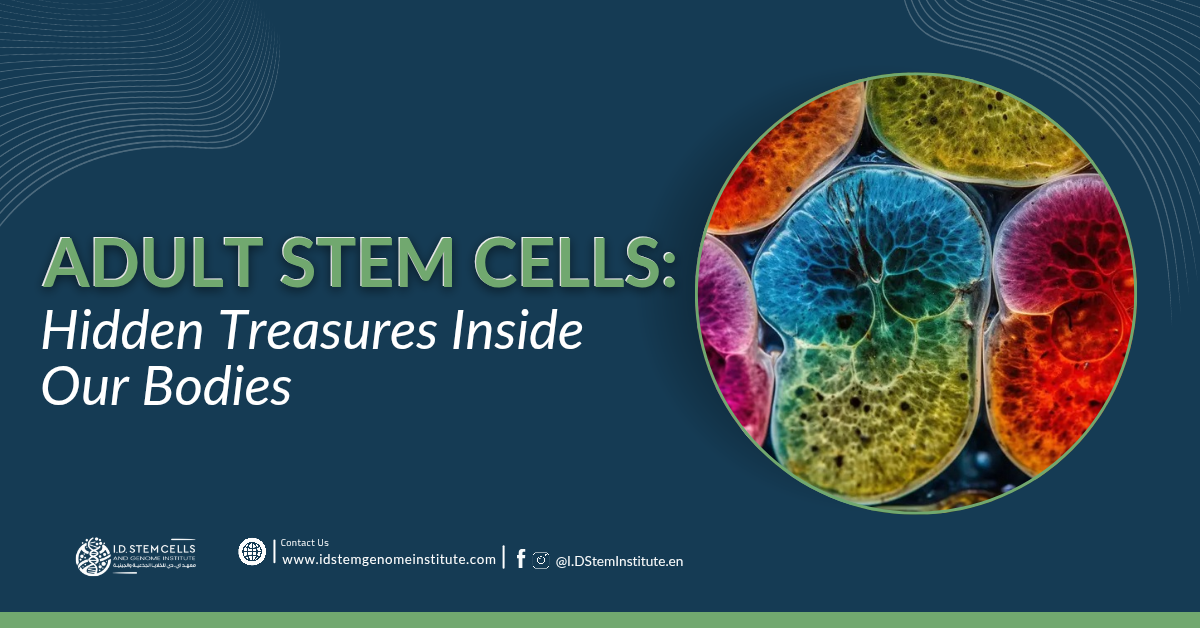
In the world of regenerative medicine, adult stem cells (ASCs) are considered "silent heroes," working tirelessly to maintain and repair body tissues. Unlike embryonic stem cells (ESCs), which are subject to ethical controversy, ASCs are found in adult tissues such as bone marrow, skin, muscle, and even the brain.
These cells possess limited pluripotency, meaning they can differentiate into specific cell types within their tissue. For example:
Bone marrow cells → blood cells (red, white, platelets).
Skin cells → new keratinocytes.
Muscle cells → cohesive muscle fibers.
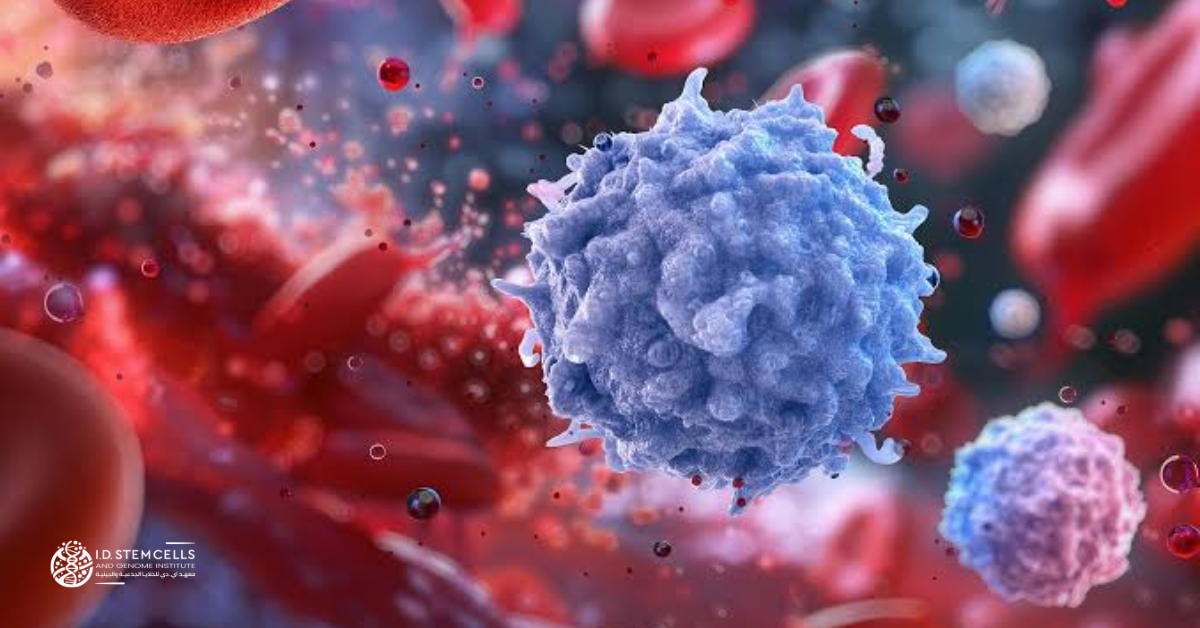
Although they are less flexible than embryonic stem cells, their greatest advantage lies in their safety, especially when taken from the patient themselves (autologous transplantation), which reduces the risk of immune rejection.
ASCs hide in tiny niches called tissue niches, which provide them with the nutrients and chemical signals necessary for their survival. The most prominent of these habitats are:
Bone marrow: the source of blood and immune cells.
Skin: regenerates damaged skin.
Adipose tissue: a treasure trove that could be used in treating arthritis.
Revolutionary applications in regenerative medicine: Treating burns by using skin stem cells to restore burned areas.
Bone repair: Injecting cells from the marrow to treat complex fractures.
Heart disease: Experiments using cardiac stem cells to repair damaged tissue after strokes.
Obstacles remain, such as the difficulty of isolating them in sufficient quantities or accurately directing them within the body. However, advances in techniques such as 3D tissue culture hold promise.