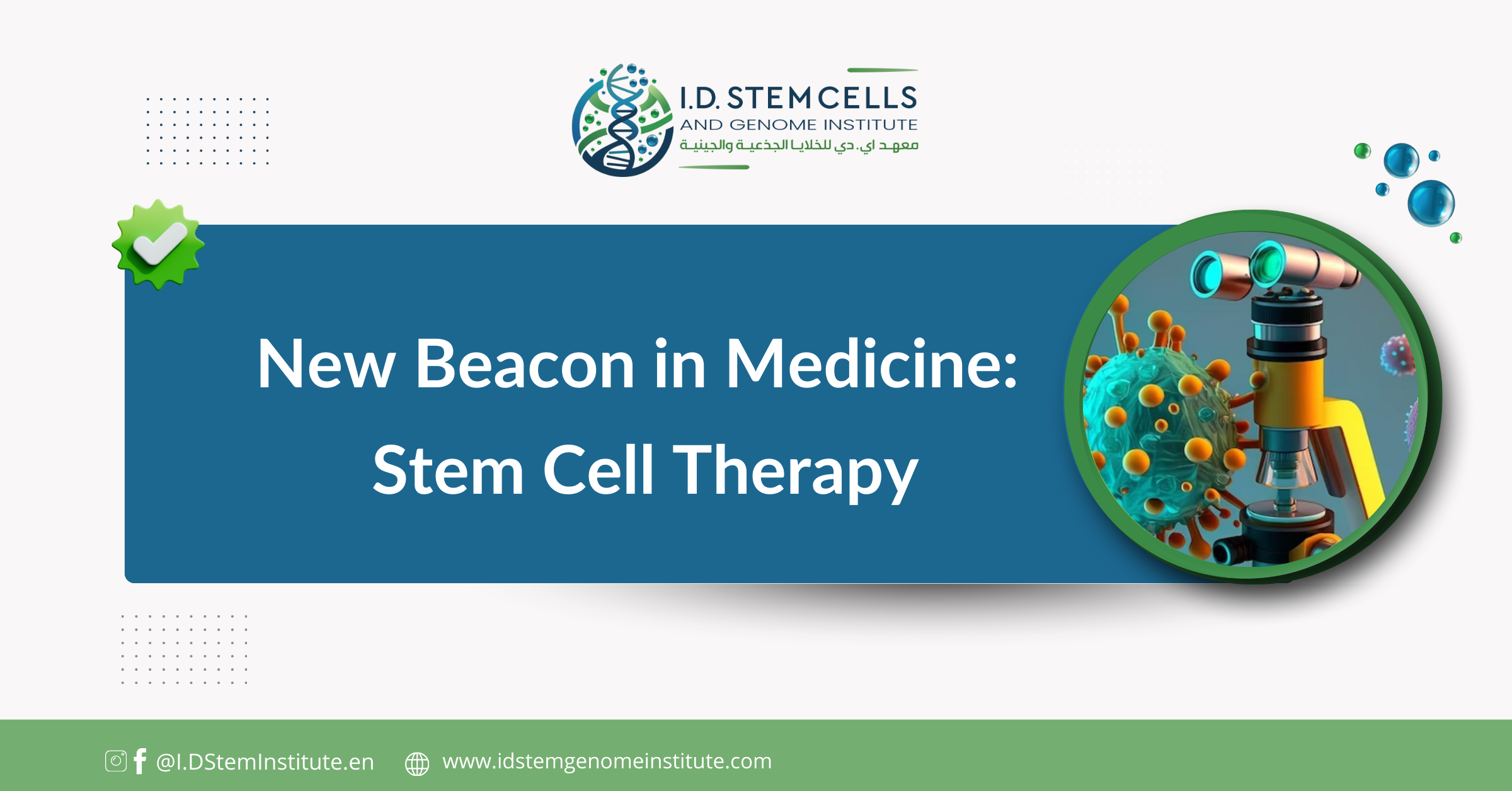
Recent advances in stem cell technology are opening new horizons for patients suffering from incurable diseases and disorders. Stem cell-based therapies, including human pluripotent stem cells (hPSCs) and mesenchymal stem cells (MSCs), have recently emerged as a key player in regenerative medicine.
Human pluripotent stem cells are defined as self-renewing cell types that have the ability to differentiate into various cell types in the human body, including three germ layers. According to the International Society for Cell and Gene Therapy (ISCT), MSCs are multipotent progenitor cells with the ability to self-renew (limited in vitro) and differentiate into intermediate lineages.
The successful approval of cancer immunotherapies in the United States and mesenchymal stem cell (MSC)-based therapies in Europe has propelled regenerative medicine to become a leading treatment modality.
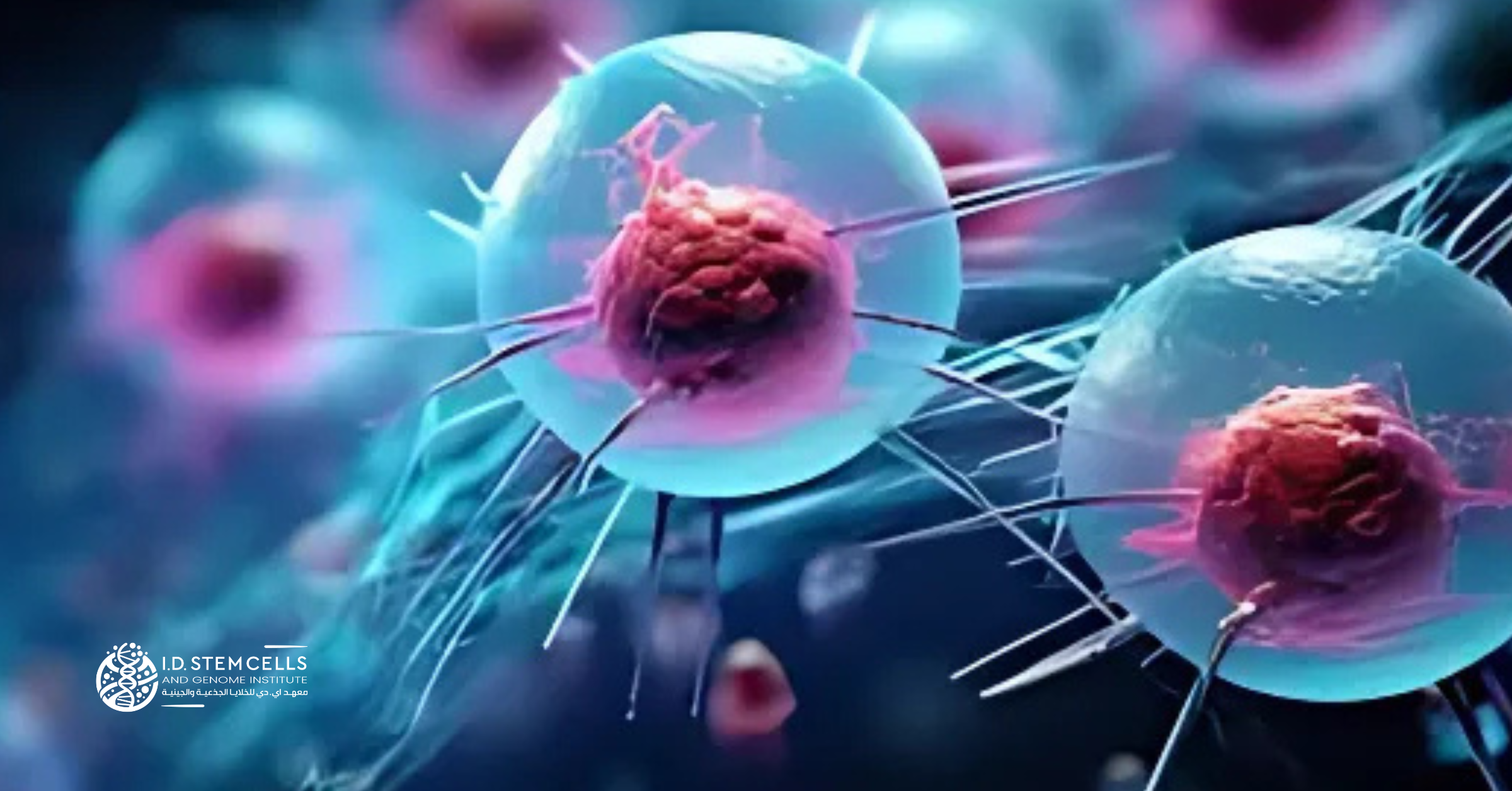
Cell-based therapies, particularly stem cells, offer new hope for patients suffering from incurable diseases, where treatment approaches focus on managing the disease rather than curing it. Stem cell therapy is an important branch of regenerative medicine, ultimately aiming to enhance the body's repair mechanisms by stimulating, modifying, and regulating endogenous stem cells and replenishing the cell reserve to achieve tissue homeostasis and regeneration.
Since the main agenda of regenerative medicine is tissue regeneration and cell replacement, various types of stem cells have been used to achieve these goals, including human pluripotent stem cells (hPSCs), multipotent stem cells, and progenitor cells. However, the emergence of private and unproven clinics claiming the efficacy of stem cell therapy as "magic cells" has raised widespread concerns about the safety of stem cell therapy.