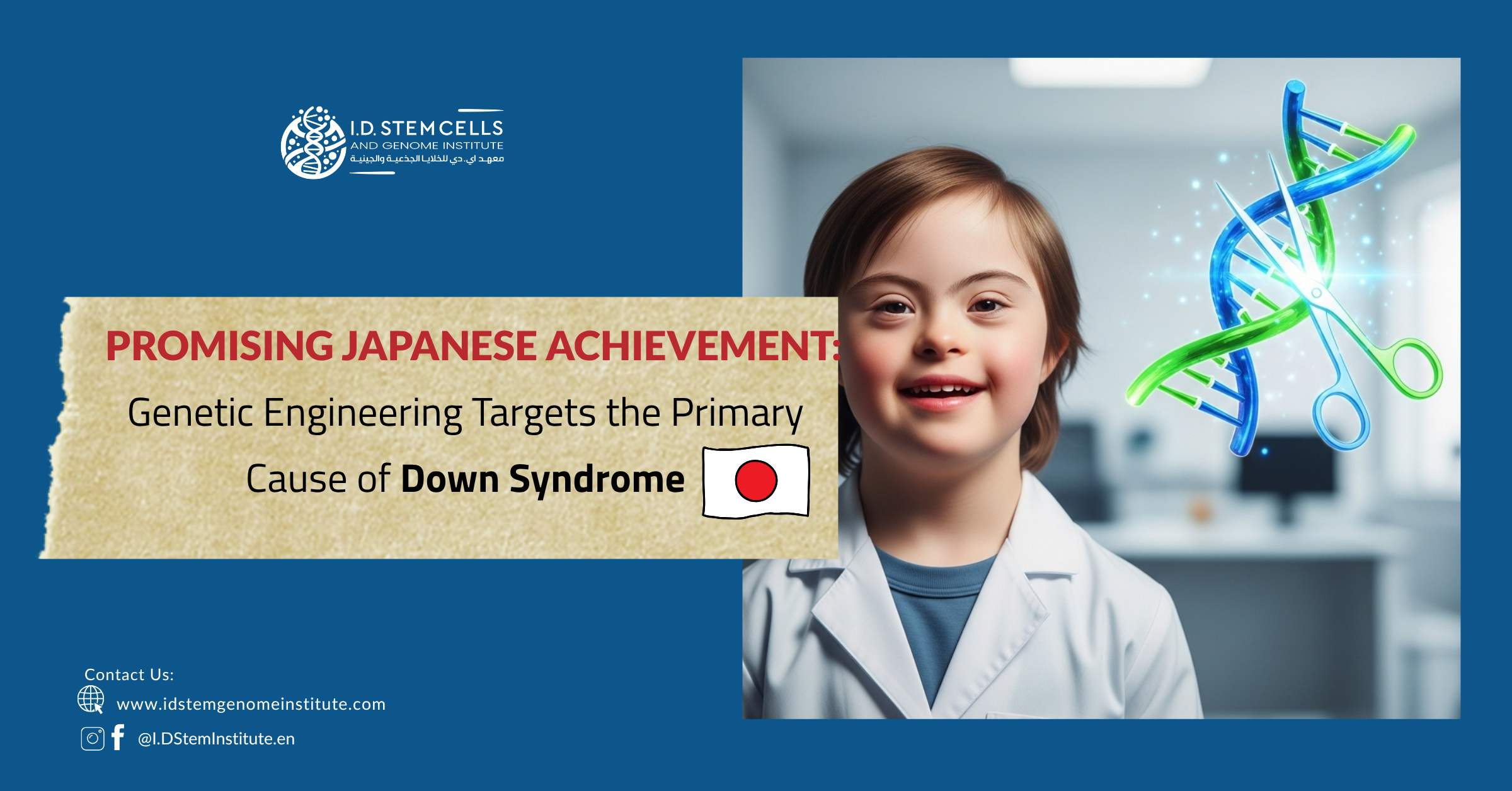
In a significant breakthrough, researchers from Mie University in Japan have been able to remove the extra 21 markers—the primary cause of Down syndrome—from human cells using CRISPR-Cas9 editing technology, a first step that could open new therapeutic avenues for this advanced condition.
The research team used human cells carrying trisomy 21 (Trisomy 21) to target the distinct chromosomes using CRISPR technology. These were completely created from a single cell, resulting in a balanced mixture, and the resulting result was present within them.
After the genetic correction, there was a noticeable improvement in the neural activity and biological functions of the cells..
The cells also demonstrated normal characteristics after the genetic correction.
Although these results are still preliminary and have not yet been applied to animal models or human embryos, they represent a step toward a different and comprehensive explanation of Down syndrome in the future